ADVERTISEMENT

Lower rice prices benefit poor Filipinos the most

Published Sep 11, 2023 04:12 pm

FINDING ANSWERS

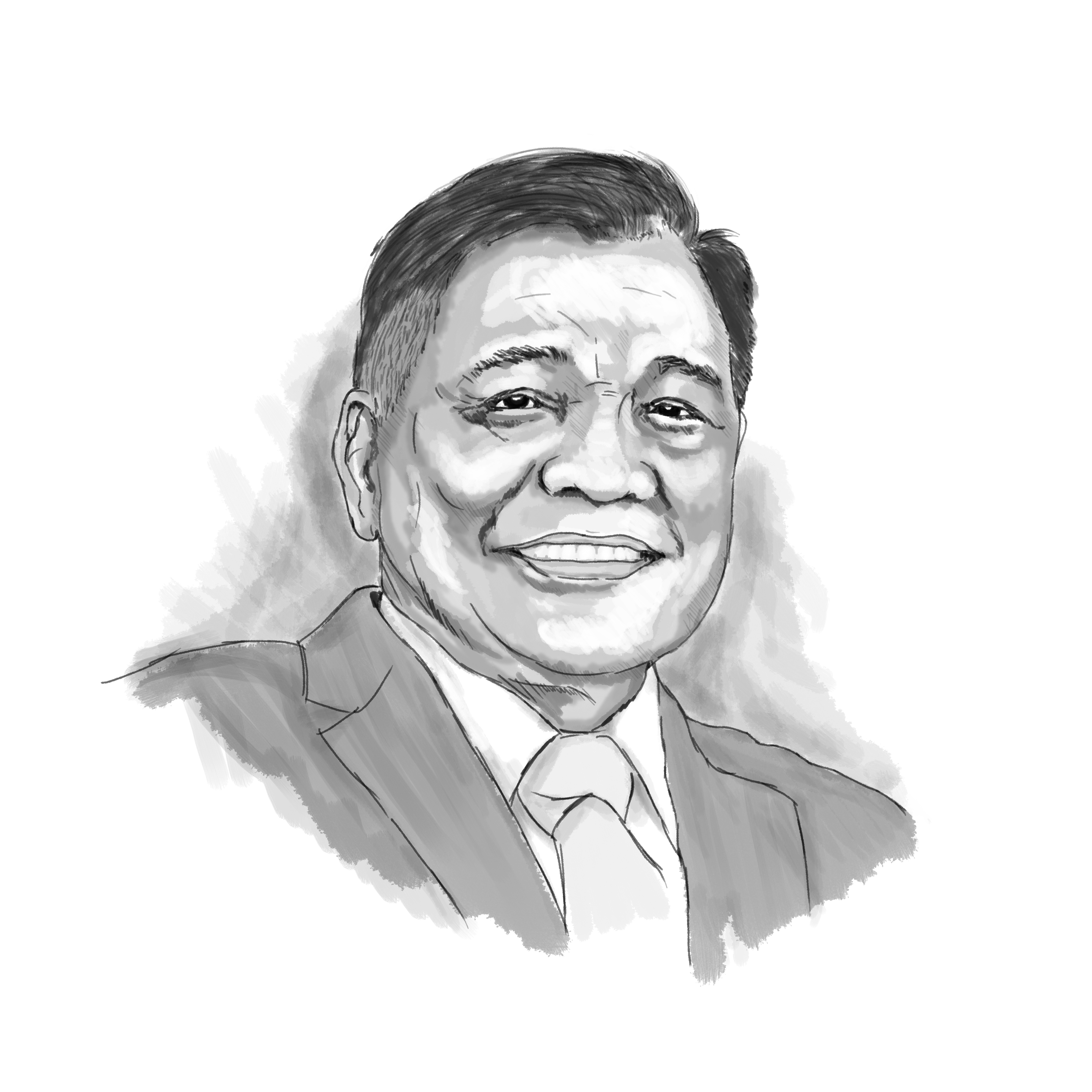
JoeyLina.jpg

With the average Filipino being a voracious rice eater, consuming almost one-third kilo of the staple daily, there’s no doubt that rice is the most basic of all food items needed to survive.


So basic indeed that before price control took effect on Sept. 5, the scarcity of rice selling below ₱50 per kilo was causing so much anxiety among poor consumers. If those with fixed income were bothered with the high prices, one can imagine the much worse impact on the jobless and those with no regular income.


The prices of other basic food items such as eggs and vegetables like tomatoes have also risen anew, but because very poor Filipinos often subsist on rice only (usually rice porridge or lugaw), it is the exorbitant price of the staple that is extremely troubling to families frequently hit by the pangs of hunger.
Thus, for the sake of this large segment of Philippine society immensely burdened by the galloping prices of the food staple, I view as a necessity the issuance by President Ferdinand Marcos Jr. of EO 39 imposing price ceilings on rice “to combat hoarding, profiteering, smuggling, and cartelization.”
Many economists argue that mandating price ceilings on regular milled rice at ₱41/kilo and well-milled rice at ₱45/kilo is the wrong move, mainly because the situation could worsen with a resulting decrease in supply and lower income for farmers.


But to understand the logic behind EO 39, one needs to grasp what the National Economic and Development Authority (NEDA) said: “We are facing difficult times, and concerning the agriculture sector, the El Niño Southern Oscillation (ENSO) phenomenon is a major disruptor. The ENSO has intensified the Southwest Monsoon and is expected to result in below-normal rainfall towards the end of the year in many countries along the Pacific. These extreme weather events adversely impact the agriculture sector, particularly rice.


“Moreover, the trade-restricting protectionist behavior of certain rice-exporting countries, such as India’s ban on non-basmati rice exports to keep prices low at home, and the aggressive move of rice-importing countries to secure supply have resulted in a decrease in the volume of rice being traded and expected to be traded in the global market. The government’s priority amid this situation is to ensure that the country has an ample supply of affordable rice.  


“Currently, the country has enough rice supply for the third quarter. With the upcoming harvest season starting in September and additional import orders already secured, there will also be enough rice for the rest of the year.  


“That said, we note that the price of rice has been sharply increasing over the past weeks, which is inconsistent with the apparent supply and demand situation. This implies that some are manipulating the expected impact of ENSO to depict a shortage at this time.  


“The imposition of a price ceiling on rice will address this issue in two ways: (1) it will immediately reduce the price of rice, and (2) it penalizes and consequently discourages hoarding, further decreasing the price of rice.  


“The imposition of a price ceiling on rice is not a standalone initiative. Law enforcement authorities continue their valiant efforts to crack down on individuals who hoard, excessively profit from, smuggle, or participate in rice cartels.”


NEDA’s official statement, issued on Sept. 3, concluded this way: “We are confident that the imposition of a price ceiling is only a temporary measure. We expect the rice harvest to commence soon and anticipate that other initiatives will produce the desired result.”


The desired result, of course, is sufficient rice supply at prices the poor can afford. And other initiatives should include making the Rice Competitiveness Enhancement Fund (RCEF), established by RA 11203 or the Rice Tariffication Law of 2019, really work for our rice farmers.


The RCEF has allocated ₱10 billion annually to support rice farmers over a six-year period. The support shall be for rice farm machineries and equipment (50 percent), rice seed development, propagation, and promotion (30 percent), credit assistance (10 percent), and extension services (10 percent).
Keeping prices of rice affordable is essential, especially because high prices compel very poor families to pour all their meager funds to buy the staple, leaving nothing to buy other food items that can provide much needed nutrition.


And when nutrition is compromised, our malnutrition crisis worsens. As it is now, data on malnutrition and hunger are very troubling: 95 Filipino children die daily, 27 out of every 1,000 kids do not get past their fifth birthday, and one of every three children is irreversibly stunted by age 2.


Thus, lowering prices of rice is life-saving and it benefits poor Filipinos the most. (Email: [email protected])

Related Tags

Finding Answers FORMER SENATOR ATTY JOEY LINA
ADVERTISEMENT
.most-popular .layout-ratio{ padding-bottom: 79.13%; } @media (min-width: 768px) and (max-width: 1024px) { .widget-title { font-size: 15px !important; } }

{{ articles_filter_1561_widget.title }}

.most-popular .layout-ratio{ padding-bottom: 79.13%; } @media (min-width: 768px) and (max-width: 1024px) { .widget-title { font-size: 15px !important; } }

{{ articles_filter_1562_widget.title }}

.most-popular .layout-ratio{ padding-bottom: 79.13%; } @media (min-width: 768px) and (max-width: 1024px) { .widget-title { font-size: 15px !important; } }

{{ articles_filter_1563_widget.title }}

{{ articles_filter_1564_widget.title }}

.mb-article-details { position: relative; } .mb-article-details .article-body-preview, .mb-article-details .article-body-summary{ font-size: 17px; line-height: 30px; font-family: "Libre Caslon Text", serif; color: #000; } .mb-article-details .article-body-preview iframe , .mb-article-details .article-body-summary iframe{ width: 100%; margin: auto; } .read-more-background { background: linear-gradient(180deg, color(display-p3 1.000 1.000 1.000 / 0) 13.75%, color(display-p3 1.000 1.000 1.000 / 0.8) 30.79%, color(display-p3 1.000 1.000 1.000) 72.5%); position: absolute; height: 200px; width: 100%; bottom: 0; display: flex; justify-content: center; align-items: center; padding: 0; } .read-more-background a{ color: #000; } .read-more-btn { padding: 17px 45px; font-family: Inter; font-weight: 700; font-size: 18px; line-height: 16px; text-align: center; vertical-align: middle; border: 1px solid black; background-color: white; } .hidden { display: none; }
function initializeAllSwipers() { // Get all hidden inputs with cms_article_id document.querySelectorAll('[id^="cms_article_id_"]').forEach(function (input) { const cmsArticleId = input.value; const articleSelector = '#article-' + cmsArticleId + ' .body_images'; const swiperElement = document.querySelector(articleSelector); if (swiperElement && !swiperElement.classList.contains('swiper-initialized')) { new Swiper(articleSelector, { loop: true, pagination: false, navigation: { nextEl: '#article-' + cmsArticleId + ' .swiper-button-next', prevEl: '#article-' + cmsArticleId + ' .swiper-button-prev', }, }); } }); } setTimeout(initializeAllSwipers, 3000); const intersectionObserver = new IntersectionObserver( (entries) => { entries.forEach((entry) => { if (entry.isIntersecting) { const newUrl = entry.target.getAttribute("data-url"); if (newUrl) { history.pushState(null, null, newUrl); let article = entry.target; // Extract metadata const author = article.querySelector('.author-section').textContent.replace('By', '').trim(); const section = article.querySelector('.section-info ').textContent.replace(' ', ' '); const title = article.querySelector('.article-title h1').textContent; // Parse URL for Chartbeat path format const parsedUrl = new URL(newUrl, window.location.origin); const cleanUrl = parsedUrl.host + parsedUrl.pathname; // Update Chartbeat configuration if (typeof window._sf_async_config !== 'undefined') { window._sf_async_config.path = cleanUrl; window._sf_async_config.sections = section; window._sf_async_config.authors = author; } // Track virtual page view with Chartbeat if (typeof pSUPERFLY !== 'undefined' && typeof pSUPERFLY.virtualPage === 'function') { try { pSUPERFLY.virtualPage({ path: cleanUrl, title: title, sections: section, authors: author }); } catch (error) { console.error('ping error', error); } } // Optional: Update document title if (title && title !== document.title) { document.title = title; } } } }); }, { threshold: 0.1 } ); function showArticleBody(button) { const article = button.closest("article"); const summary = article.querySelector(".article-body-summary"); const body = article.querySelector(".article-body-preview"); const readMoreSection = article.querySelector(".read-more-background"); // Hide summary and read-more section summary.style.display = "none"; readMoreSection.style.display = "none"; // Show the full article body body.classList.remove("hidden"); } document.addEventListener("DOMContentLoaded", () => { let loadCount = 0; // Track how many times articles are loaded const offset = [1, 2, 3, 4, 5, 6, 7, 8, 9, 10]; // Offset values const currentUrl = window.location.pathname.substring(1); let isLoading = false; // Prevent multiple calls if (!currentUrl) { console.log("Current URL is invalid."); return; } const sentinel = document.getElementById("load-more-sentinel"); if (!sentinel) { console.log("Sentinel element not found."); return; } function isSentinelVisible() { const rect = sentinel.getBoundingClientRect(); return ( rect.top < window.innerHeight && rect.bottom >= 0 ); } function onScroll() { if (isLoading) return; if (isSentinelVisible()) { if (loadCount >= offset.length) { console.log("Maximum load attempts reached."); window.removeEventListener("scroll", onScroll); return; } isLoading = true; const currentOffset = offset[loadCount]; window.loadMoreItems().then(() => { let article = document.querySelector('#widget_1690 > div:nth-last-of-type(2) article'); intersectionObserver.observe(article) loadCount++; }).catch(error => { console.error("Error loading more items:", error); }).finally(() => { isLoading = false; }); } } window.addEventListener("scroll", onScroll); });

Sign up by email to receive news.