

ADVERTISEMENT

These shoes are made for running

In June this year, the Japanese sportswear brand Asics unveiled the 30th iteration of the Gel-Kayano series.

Published Sep 1, 2023 03:11 am

At A Glance

  • 'We have been working for years to find a way to create a shoe that delivers the reliable stability that runners have come to expect from the Gel-Kayano series.'
2.jpg
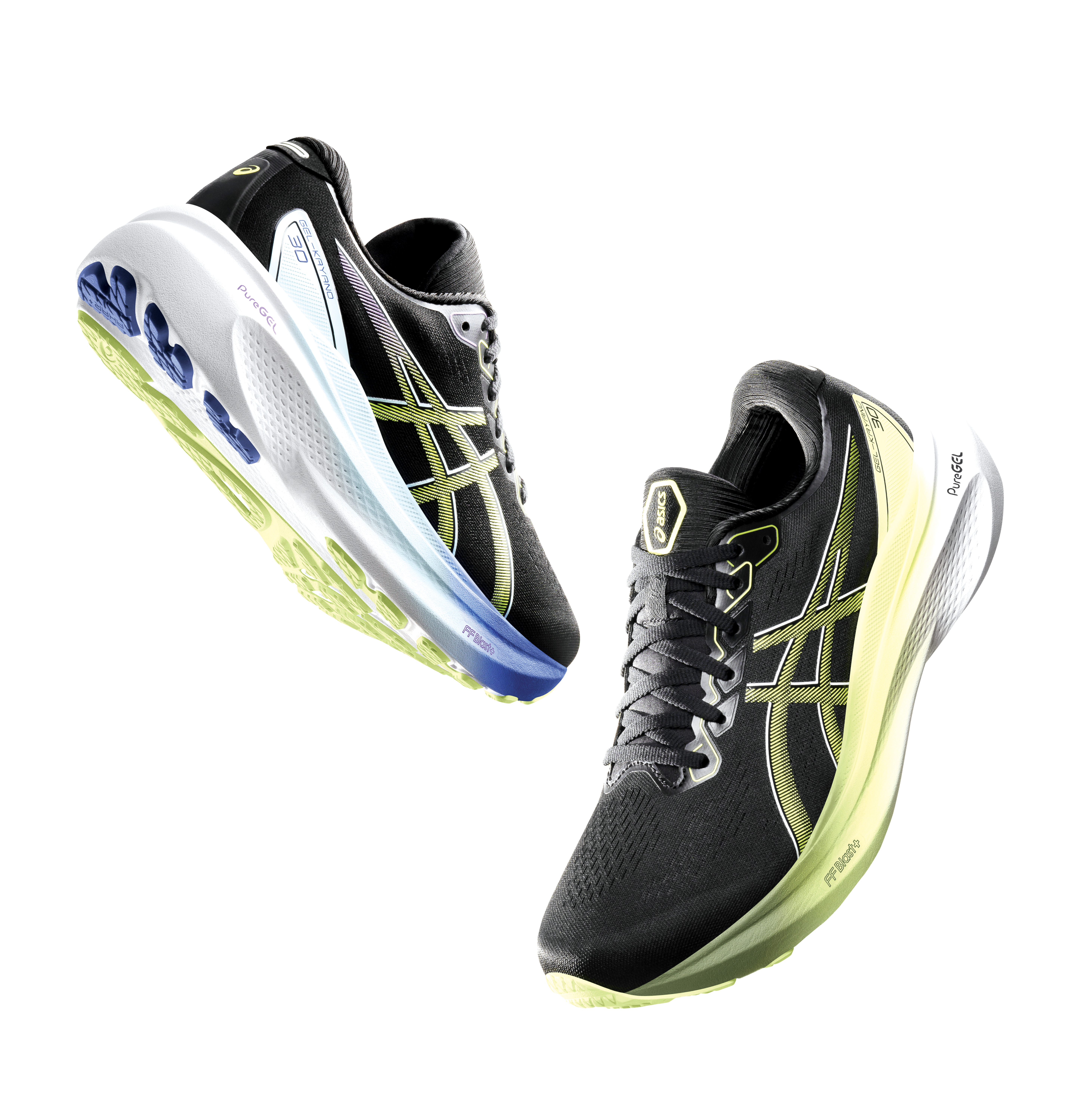
RUN RABBIT RUN The 4D Guidance System technology in the Asics Gel-Kayano 30 sneaker ensures runner's stability and enhances comfort

As we exercise to keep fit and healthy, it is also of the essence to make sure we don’t overwork our bodies and make them susceptible to injury in the process. This is why sportswear companies continuously work to create and produce proper gear and attire, for all sports, all activities, and all users. By adapting to what’s trending in style and adopting new innovations in design as well as by being unwavering in its zest for advancement in product development Asics upholds its name in the industry.


As Chad Mullavey, global product line manager for stability products, puts it, “Powered by our unrelenting belief and commitment to Asics’ unique design philosophy, we have been working for years to find a way to create a shoe that delivers the reliable stability that runners have come to expect from the Gel-Kayano series, while reaching new levels of comfort.”


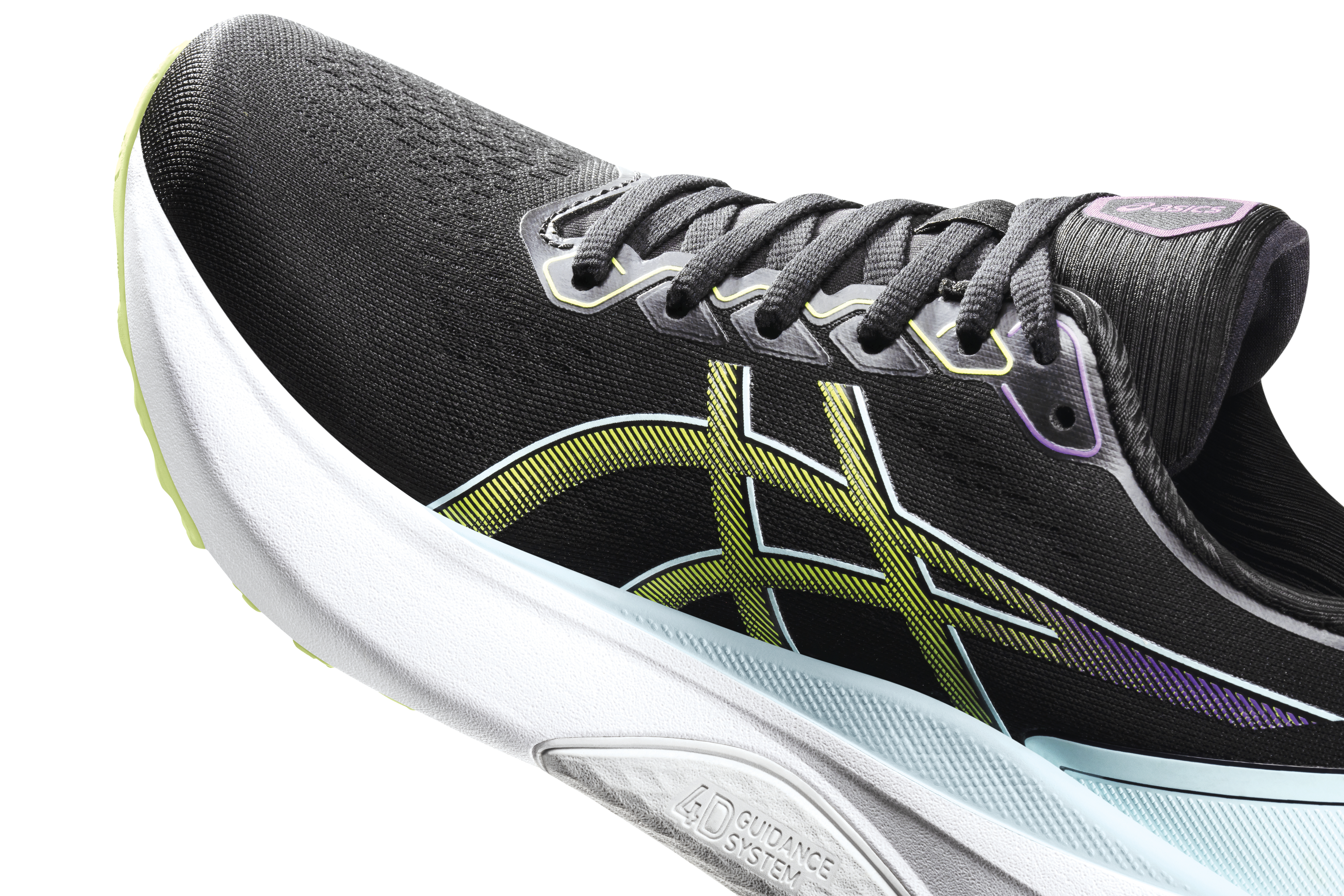
In June this year, the Japanese sportswear brand unveiled the 30th iteration of the Gel-Kayano series, this time introducing the new 4D Guidance System.
The shoe has been designed to reimagine its level of comfort for wearers, using this technology. By working hand in hand with the movement of the body, the Gel-Kayano 30 provides optimum stability and enhanced comfort, even after a long run.
1.jpg
RUNNING IN STYLE Asics's Gel-Kayano series' 4D Guidance System ensures comfort and stability even after a long run


The shoe’s PureGel technology helps ensure a softer landing with each step by providing increased shock absorption, making the running experience even smoother for the wearer. What’s more, the combination of lightweight FF Blast Plus Eco cushioning and a four-millimeter increase in stack height also works to create utmost comfort and speed as well as improved running performance.


“There’s a reason why the Gel-Kayano shoe is an Asics legend. For years it has been a fan favorite for runners looking to take on everything from five-kilometer races to full marathons,” says Alexander (AJ) Andrassy, global director of performance running footwear. “That’s why we are so excited to make such a landmark development for Gel-Kayano 30. The new shoe offers advanced stability, comfort, and cushioning, all while weighing less, to deliver a fit and ride that’s better than ever.”


Regionally, Asics gathered a group of different personalities to share their experiences with the Gel-Kayano. In the Philippines, this group included former tennis player and sports reporter Dyan Castillejo, Miss Universe Philippines 2019 Gazini Ganados, and Asics Running Club coaches Precious Que and Jasper. The brand posted a reel on Instagram, if you’d like a peek into the Gel-Kayano 30 performance for these featured personalities. 

Asics.com
 

Related Tags

Philippine Panorama Asics Isabel Lerma
ADVERTISEMENT
.most-popular .layout-ratio{ padding-bottom: 79.13%; } @media (min-width: 768px) and (max-width: 1024px) { .widget-title { font-size: 15px !important; } }

{{ articles_filter_1561_widget.title }}

.most-popular .layout-ratio{ padding-bottom: 79.13%; } @media (min-width: 768px) and (max-width: 1024px) { .widget-title { font-size: 15px !important; } }

{{ articles_filter_1562_widget.title }}

.most-popular .layout-ratio{ padding-bottom: 79.13%; } @media (min-width: 768px) and (max-width: 1024px) { .widget-title { font-size: 15px !important; } }

{{ articles_filter_1563_widget.title }}

{{ articles_filter_1564_widget.title }}

.mb-article-details { position: relative; } .mb-article-details .article-body-preview, .mb-article-details .article-body-summary{ font-size: 17px; line-height: 30px; font-family: "Libre Caslon Text", serif; color: #000; } .mb-article-details .article-body-preview iframe , .mb-article-details .article-body-summary iframe{ width: 100%; margin: auto; } .read-more-background { background: linear-gradient(180deg, color(display-p3 1.000 1.000 1.000 / 0) 13.75%, color(display-p3 1.000 1.000 1.000 / 0.8) 30.79%, color(display-p3 1.000 1.000 1.000) 72.5%); position: absolute; height: 200px; width: 100%; bottom: 0; display: flex; justify-content: center; align-items: center; padding: 0; } .read-more-background a{ color: #000; } .read-more-btn { padding: 17px 45px; font-family: Inter; font-weight: 700; font-size: 18px; line-height: 16px; text-align: center; vertical-align: middle; border: 1px solid black; background-color: white; } .hidden { display: none; }
function initializeAllSwipers() { // Get all hidden inputs with cms_article_id document.querySelectorAll('[id^="cms_article_id_"]').forEach(function (input) { const cmsArticleId = input.value; const articleSelector = '#article-' + cmsArticleId + ' .body_images'; const swiperElement = document.querySelector(articleSelector); if (swiperElement && !swiperElement.classList.contains('swiper-initialized')) { new Swiper(articleSelector, { loop: true, pagination: false, navigation: { nextEl: '#article-' + cmsArticleId + ' .swiper-button-next', prevEl: '#article-' + cmsArticleId + ' .swiper-button-prev', }, }); } }); } setTimeout(initializeAllSwipers, 3000); const intersectionObserver = new IntersectionObserver( (entries) => { entries.forEach((entry) => { if (entry.isIntersecting) { const newUrl = entry.target.getAttribute("data-url"); if (newUrl) { history.pushState(null, null, newUrl); let article = entry.target; // Extract metadata const author = article.querySelector('.author-section').textContent.replace('By', '').trim(); const section = article.querySelector('.section-info ').textContent.replace(' ', ' '); const title = article.querySelector('.article-title h1').textContent; // Parse URL for Chartbeat path format const parsedUrl = new URL(newUrl, window.location.origin); const cleanUrl = parsedUrl.host + parsedUrl.pathname; // Update Chartbeat configuration if (typeof window._sf_async_config !== 'undefined') { window._sf_async_config.path = cleanUrl; window._sf_async_config.sections = section; window._sf_async_config.authors = author; } // Track virtual page view with Chartbeat if (typeof pSUPERFLY !== 'undefined' && typeof pSUPERFLY.virtualPage === 'function') { try { pSUPERFLY.virtualPage({ path: cleanUrl, title: title, sections: section, authors: author }); } catch (error) { console.error('ping error', error); } } // Optional: Update document title if (title && title !== document.title) { document.title = title; } } } }); }, { threshold: 0.1 } ); function showArticleBody(button) { const article = button.closest("article"); const summary = article.querySelector(".article-body-summary"); const body = article.querySelector(".article-body-preview"); const readMoreSection = article.querySelector(".read-more-background"); // Hide summary and read-more section summary.style.display = "none"; readMoreSection.style.display = "none"; // Show the full article body body.classList.remove("hidden"); } document.addEventListener("DOMContentLoaded", () => { let loadCount = 0; // Track how many times articles are loaded const offset = [1, 2, 3, 4, 5, 6, 7, 8, 9, 10]; // Offset values const currentUrl = window.location.pathname.substring(1); let isLoading = false; // Prevent multiple calls if (!currentUrl) { console.log("Current URL is invalid."); return; } const sentinel = document.getElementById("load-more-sentinel"); if (!sentinel) { console.log("Sentinel element not found."); return; } function isSentinelVisible() { const rect = sentinel.getBoundingClientRect(); return ( rect.top < window.innerHeight && rect.bottom >= 0 ); } function onScroll() { if (isLoading) return; if (isSentinelVisible()) { if (loadCount >= offset.length) { console.log("Maximum load attempts reached."); window.removeEventListener("scroll", onScroll); return; } isLoading = true; const currentOffset = offset[loadCount]; window.loadMoreItems().then(() => { let article = document.querySelector('#widget_1690 > div:nth-last-of-type(2) article'); intersectionObserver.observe(article) loadCount++; }).catch(error => { console.error("Error loading more items:", error); }).finally(() => { isLoading = false; }); } } window.addEventListener("scroll", onScroll); });

Sign up by email to receive news.