ADVERTISEMENT

Crypto and blockchain education gain significant traction in Philippine universities

Published Aug 9, 2023 08:02 am

Crypto Talks Collection.png

The rising adoption of cryptocurrencies and blockchain technology in the Philippines has prompted more universities to offer educational sessions, helping students keep up with the fast-changing digital and financial landscapes.

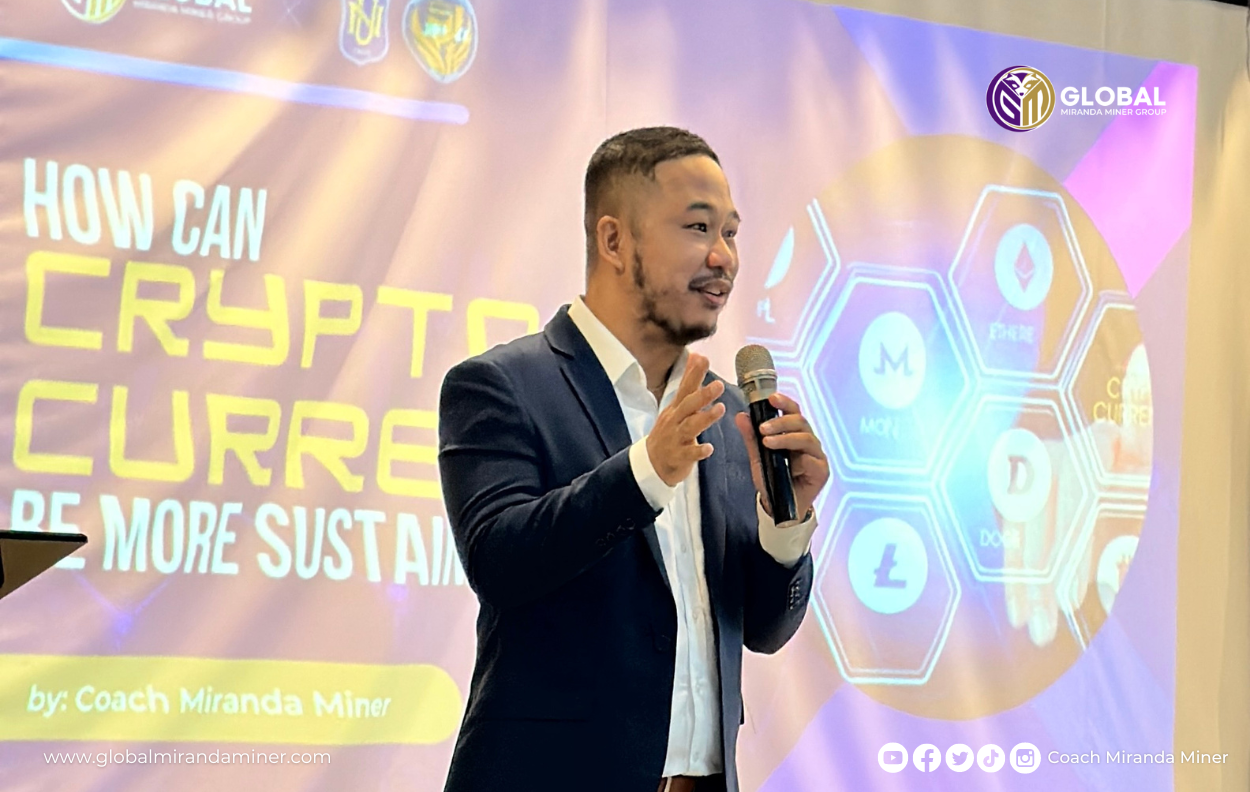
Leading this initiative is Arlone “Paul” Abello, known as Coach Miranda Miner, an investor, crypto market analyst, and CEO of the Web3 learning platforms Elite University and FEASTGold. In 2022, his firm Global Miranda Miner Group (GMMG) launched “CrypTalk: University Caravan,” designed to empower the next generation of finance and technology professionals with essential knowledge about blockchain trends and cryptocurrency as transformative emerging technologies in the financial world.

The caravan has already visited 12 of the country’s largest universities, including the University of Sto. Tomas, Ateneo de Naga, Polytechnic University of the Philippines, Rizal Technological University, University of San Jose-Recoletos, and Holy Angel University, with a total attendance of 2000 students.

In June, Coach Miranda Miner led a back-to-back discussion on the sustainability of cryptocurrencies with all the students, officers, and faculty members of the Junior Confederation of Finance Associations in the Philippines and the National University’s Finance Executives.

The group will visit Republic Central Colleges in Pampanga as its first stop for the academic year 2023-2024 and will mount a discussion exploring blockchain and cryptocurrency trends and their impact on finance, regulations, and security.

CrypTalk: University Caravan by GMMG  aims to expand its reach to more colleges in the regions of Visayas and Mindanao.

According to Coach Miranda Miner, educational initiatives play a crucial role in preparing the next generation of finance professionals to thrive in this digital era.

“Understanding cryptocurrency enhances students' financial literacy and decision-making skills, empowering them to navigate this complex landscape with confidence. Learning about blockchain opens up opportunities for students to engage with these platforms and potentially earn income, which can be a valuable skill in the digital economy,” he explained.

“With the vast potential of cryptocurrencies and DeFi, there are also risks associated with scams, fraudulent schemes, and security vulnerabilities. Students need to be aware of the precautions they should take to protect themselves and their assets in the web3 environment,” he added.

On April 20, the Department of Information and Communications Technology (DICT) and Binance Academy concluded introductory training sessions on blockchain and cryptocurrency in five local universities.

Meanwhile, the Department of Science and Technology (DOST) launched a blockchain training program last year to explore use cases for healthcare, emergency aid, financial support, issuance of visas and passports, trademark registration, and government record storage.

As the demand for crypto and blockchain education continues to grow, Coach Miranda Miner sees a future where higher education curricula include specialized courses on blockchain, cryptocurrency, and Finance 4.0, emphasizing decentralized finance, financial inclusion, risk management, and ethical practices.

ADVERTISEMENT
.most-popular .layout-ratio{ padding-bottom: 79.13%; } @media (min-width: 768px) and (max-width: 1024px) { .widget-title { font-size: 15px !important; } }

{{ articles_filter_1561_widget.title }}

.most-popular .layout-ratio{ padding-bottom: 79.13%; } @media (min-width: 768px) and (max-width: 1024px) { .widget-title { font-size: 15px !important; } }

{{ articles_filter_1562_widget.title }}

.most-popular .layout-ratio{ padding-bottom: 79.13%; } @media (min-width: 768px) and (max-width: 1024px) { .widget-title { font-size: 15px !important; } }

{{ articles_filter_1563_widget.title }}

{{ articles_filter_1564_widget.title }}

.mb-article-details { position: relative; } .mb-article-details .article-body-preview, .mb-article-details .article-body-summary{ font-size: 17px; line-height: 30px; font-family: "Libre Caslon Text", serif; color: #000; } .mb-article-details .article-body-preview iframe , .mb-article-details .article-body-summary iframe{ width: 100%; margin: auto; } .read-more-background { background: linear-gradient(180deg, color(display-p3 1.000 1.000 1.000 / 0) 13.75%, color(display-p3 1.000 1.000 1.000 / 0.8) 30.79%, color(display-p3 1.000 1.000 1.000) 72.5%); position: absolute; height: 200px; width: 100%; bottom: 0; display: flex; justify-content: center; align-items: center; padding: 0; } .read-more-background a{ color: #000; } .read-more-btn { padding: 17px 45px; font-family: Inter; font-weight: 700; font-size: 18px; line-height: 16px; text-align: center; vertical-align: middle; border: 1px solid black; background-color: white; } .hidden { display: none; }
function initializeAllSwipers() { // Get all hidden inputs with cms_article_id document.querySelectorAll('[id^="cms_article_id_"]').forEach(function (input) { const cmsArticleId = input.value; const articleSelector = '#article-' + cmsArticleId + ' .body_images'; const swiperElement = document.querySelector(articleSelector); if (swiperElement && !swiperElement.classList.contains('swiper-initialized')) { new Swiper(articleSelector, { loop: true, pagination: false, navigation: { nextEl: '#article-' + cmsArticleId + ' .swiper-button-next', prevEl: '#article-' + cmsArticleId + ' .swiper-button-prev', }, }); } }); } setTimeout(initializeAllSwipers, 3000); const intersectionObserver = new IntersectionObserver( (entries) => { entries.forEach((entry) => { if (entry.isIntersecting) { const newUrl = entry.target.getAttribute("data-url"); if (newUrl) { history.pushState(null, null, newUrl); let article = entry.target; // Extract metadata const author = article.querySelector('.author-section').textContent.replace('By', '').trim(); const section = article.querySelector('.section-info ').textContent.replace(' ', ' '); const title = article.querySelector('.article-title h1').textContent; // Parse URL for Chartbeat path format const parsedUrl = new URL(newUrl, window.location.origin); const cleanUrl = parsedUrl.host + parsedUrl.pathname; // Update Chartbeat configuration if (typeof window._sf_async_config !== 'undefined') { window._sf_async_config.path = cleanUrl; window._sf_async_config.sections = section; window._sf_async_config.authors = author; } // Track virtual page view with Chartbeat if (typeof pSUPERFLY !== 'undefined' && typeof pSUPERFLY.virtualPage === 'function') { try { pSUPERFLY.virtualPage({ path: cleanUrl, title: title, sections: section, authors: author }); } catch (error) { console.error('ping error', error); } } // Optional: Update document title if (title && title !== document.title) { document.title = title; } } } }); }, { threshold: 0.1 } ); function showArticleBody(button) { const article = button.closest("article"); const summary = article.querySelector(".article-body-summary"); const body = article.querySelector(".article-body-preview"); const readMoreSection = article.querySelector(".read-more-background"); // Hide summary and read-more section summary.style.display = "none"; readMoreSection.style.display = "none"; // Show the full article body body.classList.remove("hidden"); } document.addEventListener("DOMContentLoaded", () => { let loadCount = 0; // Track how many times articles are loaded const offset = [1, 2, 3, 4, 5, 6, 7, 8, 9, 10]; // Offset values const currentUrl = window.location.pathname.substring(1); let isLoading = false; // Prevent multiple calls if (!currentUrl) { console.log("Current URL is invalid."); return; } const sentinel = document.getElementById("load-more-sentinel"); if (!sentinel) { console.log("Sentinel element not found."); return; } function isSentinelVisible() { const rect = sentinel.getBoundingClientRect(); return ( rect.top < window.innerHeight && rect.bottom >= 0 ); } function onScroll() { if (isLoading) return; if (isSentinelVisible()) { if (loadCount >= offset.length) { console.log("Maximum load attempts reached."); window.removeEventListener("scroll", onScroll); return; } isLoading = true; const currentOffset = offset[loadCount]; window.loadMoreItems().then(() => { let article = document.querySelector('#widget_1690 > div:nth-last-of-type(2) article'); intersectionObserver.observe(article) loadCount++; }).catch(error => { console.error("Error loading more items:", error); }).finally(() => { isLoading = false; }); } } window.addEventListener("scroll", onScroll); });

Sign up by email to receive news.