







How your point of sale can also become your point of service
By MB Technews


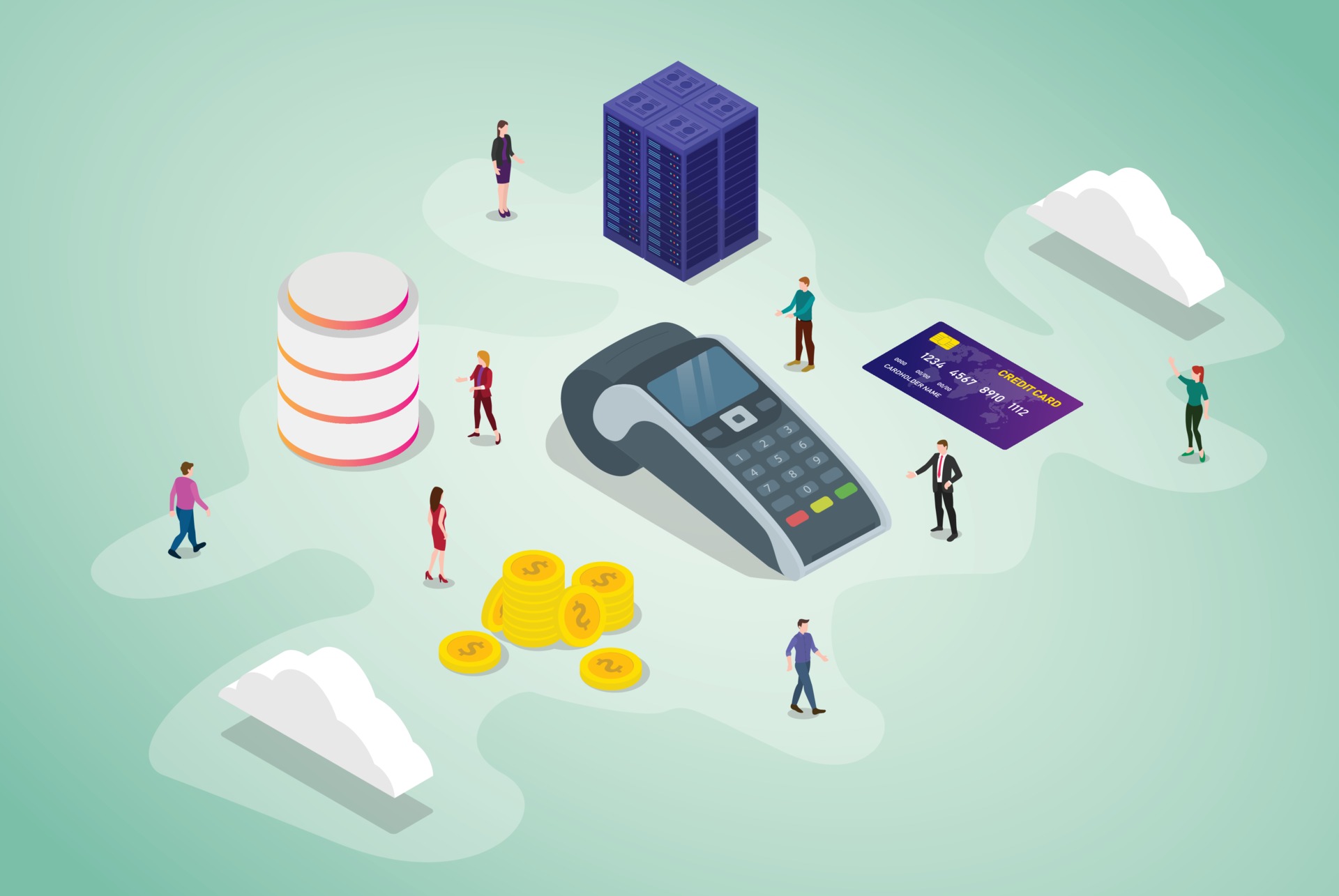
The POS (point of sale), whether in a brick-and-mortar or an e-commerce setting, is the crucial juncture where your customer completes a transaction. This typically takes the form of a dedicated checkout station at a physical store or an online checkout interface on an e-commerce platform. Any enterprising business owner, however, will know that a POS system can do much more than simply close out customer transactions. The interactions and activities that take place at the point of sale hold immense potential to shape the customer experience, significantly impacting their satisfaction and their perception of a business.
Any business is sure to benefit significantly from investing in improving customers’ experience at the point of sale. And if you operate a startup or a small-to-medium enterprise (SME), the advantages an upgraded POS system offers can give you the edge you need to carve out your own niche in a competitive market. By transforming the POS from a mere transactional waypoint into a platform for value-adding engagement, you’ll be able to elevate your customer service to unprecedented heights.
Here are five practical steps you can take to turn your point of sale into a true point of service:
Optimize Your Checkout Process for Speed and Efficiency
Any retail business worth its salt will already be well aware of how much optimizing the checkout process can impact customer satisfaction. Whether it’s a long queue at the cash register or a slow-loading checkout page, an unnecessarily complicated or sluggish checkout process can be detrimental to your customers’ shopping experience. For this reason, maximizing the speed and efficiency of your checkout process should be the first major improvement you make to your POS.
A robust, easy-to-use POS system is instrumental in achieving this goal. Choose a reliable POS vendor Philippines businesses trust, and invest in a system that is intuitive, reliable, and quick. This will minimize transaction times, keep checkout lines moving in physical stores, and reduce frustration on the part of your customers. A reliable system will also minimize the chances of operational glitches, ensuring a smooth, uninterrupted checkout process both online and offline.
Maya Terminal, developed by Maya Business, is one such solution for POS Philippines-based startups and SMEs have come to rely on. This all-in-one payment terminal is capable of securely processing all forms of digital payments, from traditional debit and credit card transactions to QR codes and e-wallet transfers, in a matter of seconds. Smaller enterprises with limited resources can expect the same benefits from Maya Terminal Lite, a pocket-sized payment solution that delivers many of the original’s powerful functionalities without breaking the bank.
Do note, however, that an efficient POS system is only as good as the staff operating it. Take time to train your employees in handling and troubleshooting your POS system, whether they’ll be working with it in-store or addressing customer queries online. If they know the system inside out and can navigate its features with ease, they’ll be able to process transactions and resolve customer payment issues as quickly as possible.
Accommodate Multiple Modes of Payment
Cashless payment methods are on the rise worldwide, and the Philippines is no exception. With the advent of digital wallets and mobile payment platforms, along with the continuing prevalence of credit and debit cards, it’s no secret that customers desire more flexible ways to pay for their purchases. To this end, you should ensure that your business’s POS system accommodates a variety of payment methods.
It’s entirely likely that a customer will simply abandon their purchase if they see your store doesn’t accept their preferred payment method. Optimizing your POS to accommodate as many payment options as possible eliminates this problem entirely, effectively keeping your revenue and your reputation from taking costly hits. Your customers will come away from their shopping experience happier and more likely to come back, and you’ll enjoy more successful sales and greater profits.
Personalize Your Customers' Checkout Experience
As contemporary business practices grow more data-driven, personalized service has transformed from a simple nice-to-have into a requirement for successful customer engagement. A personalized checkout experience will make your customers feel valued and encourage them to interact even more extensively with your brand.
Leveraging your POS system for personalization involves strategically using the customer data at your disposal. You can start by utilizing customer purchase history to provide targeted recommendations during checkout. Well-trained cashiers, for instance, will be more than capable of taking care of this for you in a physical store. In an e-commerce setting, personalized product recommendations displayed on the checkout page might do the trick.
Further personalization can come in the form of tailored greetings and messages. This might be as simple as addressing a customer by name when they reach the checkout counter or displaying a personalized welcome message in an online shopping cart. The goal here is to demonstrate to customers that you recognize and value them as individuals, rather than faceless sources of revenue.
Implement a Loyalty Program
The customer loyalty program has long been a successful strategy for improving customer retention and encouraging repeat purchases. With the aid of modern POS systems, implementing such a program is easier than it’s ever been.
Integrating a loyalty program into your POS system provides an additional layer of customer engagement at the POS and makes the transaction more rewarding for the customer. For one thing, it offers tangible rewards for repeat business, providing concrete incentives for customer loyalty. In the process, a loyalty program will also provide your business with valuable data on customer purchase habits, allowing you to fine-tune your future marketing efforts.
Take Advantage of Opportunities for Upselling and Cross-Selling
The POS provides a prime opportunity for upselling and cross-selling—strategies that not only increase your average transaction value but also enhance customer satisfaction by providing added value. However, it's crucial to approach these strategies with a customer-centric mindset, as it may annoy a customer if they feel like you’re simply trying to milk them for more money. The focus should be on adding value to the customer's purchase, not merely boosting the sale.
Upselling involves encouraging customers to upgrade to a higher-end product or add additional features, while cross-selling involves suggesting complementary products. It’s possible to employ both strategies effectively employed at the POS. For instance, staff members at physical stores can chat up your customers to suggest add-ons or premium alternatives. On an e-commerce site, meanwhile, you could display related or higher-end products at the checkout page.
Transforming the point of sale into a point of service is no longer just a novel concept—it's a competitive necessity. By prioritizing customer experience at the POS, businesses can enhance customer satisfaction, encourage loyalty, and ultimately drive growth.