







Credit guarantee program for inclusive finance


FROM THE MARGINS
It’s typhoon season once again. We need to brace ourselves for torrential rains even as we are still recovering from the havoc caused by Typhoons Egay and Falcon. Aggravated by the Southwest Monsoon (Habagat), these typhoons affected more than 2.3 million people in 4,111 barangays nationwide and caused P1.94 billion damage to agriculture. We can just imagine the negative economic impact since agriculture employs a quarter of our labor force, with small farmers remaining among the country’s poorest.
To protect our economy and food security, we need to support micro-small-and medium enterprises (MSMEs) and increase agricultural productivity. Job creation through MSMEs benefits the poor and vulnerable, directly reducing poverty and increasing household investments in education and health over time. Support to agriculture is crucial, with the El Nino phenomenon expected in the coming months. The severe dry spells will surely decrease agricultural production, like what happened in 2019 when El Nino caused ₱8 billion damage to agriculture.
Financing gap
Lack of access to finance has been a perennial problem of our MSMEs, farmers and fisherfolks. With limited assets to use as collateral and lacking credit histories, they are perceived as high-risk borrowers, unable to borrow capital from banks and other financial institutions. Without access to credit, MSMEs are unable to sustain their operations. Farmers also cannot modernize production or increase their income through agro-processing.
While there are special lending programs for agriculture and MSMEs, they had been stymied by many factors, especially the inability of farmers/fisherfolks and small entrepreneurs to meet the eligibility and documentary requirements for loans. Microfinance institutions (MFIs), rural banks and cooperatives are trying to fill the huge credit gap, but they need more support from government financial institutions.
Credit guarantee and CRD
A number of MFIs and rural banks recently received a much-needed boost to their lending programs by partnering with the Philippine Guarantee Corporation (PhilGuarantee). An attached agency of the Department of Finance, PhilGuarantee provides guarantee coverage to the unsecured business loans of MSMEs or agricultural production loans of small farmers/fisherfolks and other priority sectors. Through its partnership with eligible lending institutions like banks, cooperatives, farmers/people’s organizations, MFIs and non-government organizations, PhilGuarantee promotes socio-economic activities and facilitates financial inclusion.
But there is more. The Bangko Sentral ng Pilipinas (BSP) and the Japan International Cooperation Agency (JICA) recently completed the three-year Credit Risk Database (CRD) Project in the Philippines, which aims to improve MSMEs’ access to finance by promoting risk-based lending and lessening the dependence of banks on collaterals during credit evaluation. The CRD institutionalizes a statistical credit scoring system for MSMEs which can be used by lenders to assess their capacity to pay. It helps address the challenges of MSMEs’ limited access to finance due to lack of collateral and inability to provide credit history, as well as banks’ lack of information in assessing their credit applications. The CRD will surely improve access to finance by promoting risk-based lending for entrepreneurs, farmers, and other marginalized sectors.
Learning visit
Last May, I was invited by the BSP to join a learning visit to the small-and-medium-enterprise (SME) guarantee programs of Japan. Hosted by JICA and CRD-Japan, it provided valuable insights to the Philippine delegation which was headed by Deputy Governor Bernadette Romulo-Puyat, with representatives from BSP and a couple of MFIs.
We learned about Japan’s credit guarantee system and the programs of JICA, CRD-Japan, SME Agency, Financial Services Agency, Bank of Japan, Credit Guarantee Corporation of Tokyo, and Japan Federation of Credit Guarantee Corporation. They shared their best practices in credit guarantee, credit information infrastructure, risk management and SME financing. I was really impressed by how they maintain a robust database that helps banks assess the creditworthiness of SMEs, and their provision of low-interest loans to SMEs in times of crises. They have 51 credit guarantee corporations (CGCs) organized and funded by local governments at the prefecture-level. This is a very good model that promotes local SME growth and private sector participation in CGC management. Their system is efficient, as they are able to release guarantee funds within three days!
Wish list
There are pockets of hope for our MSME and agriculture sectors. I add this wish list to those of the government and my industry colleagues,’ hoping that we can continue to join hands towards serving more people in the margins:
1. Success of CRD-Philippines, to improve access to finance of farmers/fisherfolks and MSMEs;
2. More funding support to PhilGuarantee so it can expand its partnerships with MFIs, cooperatives and other financial intermediaries that cater to vulnerable groups;
3. Pilot establishment of a credit guarantee corporation at the LGU level, similar to Japan, which will encourage more financial industry players to support agriculture and MSMEs in the provinces; and
4. Institutionalization of other programs to support our MSMEs and the agriculture sector.
***
“Financial inclusion matters not only because it promotes growth but because it helps ensure prosperity is widely shared.” - Sri Mulyani Indrawati
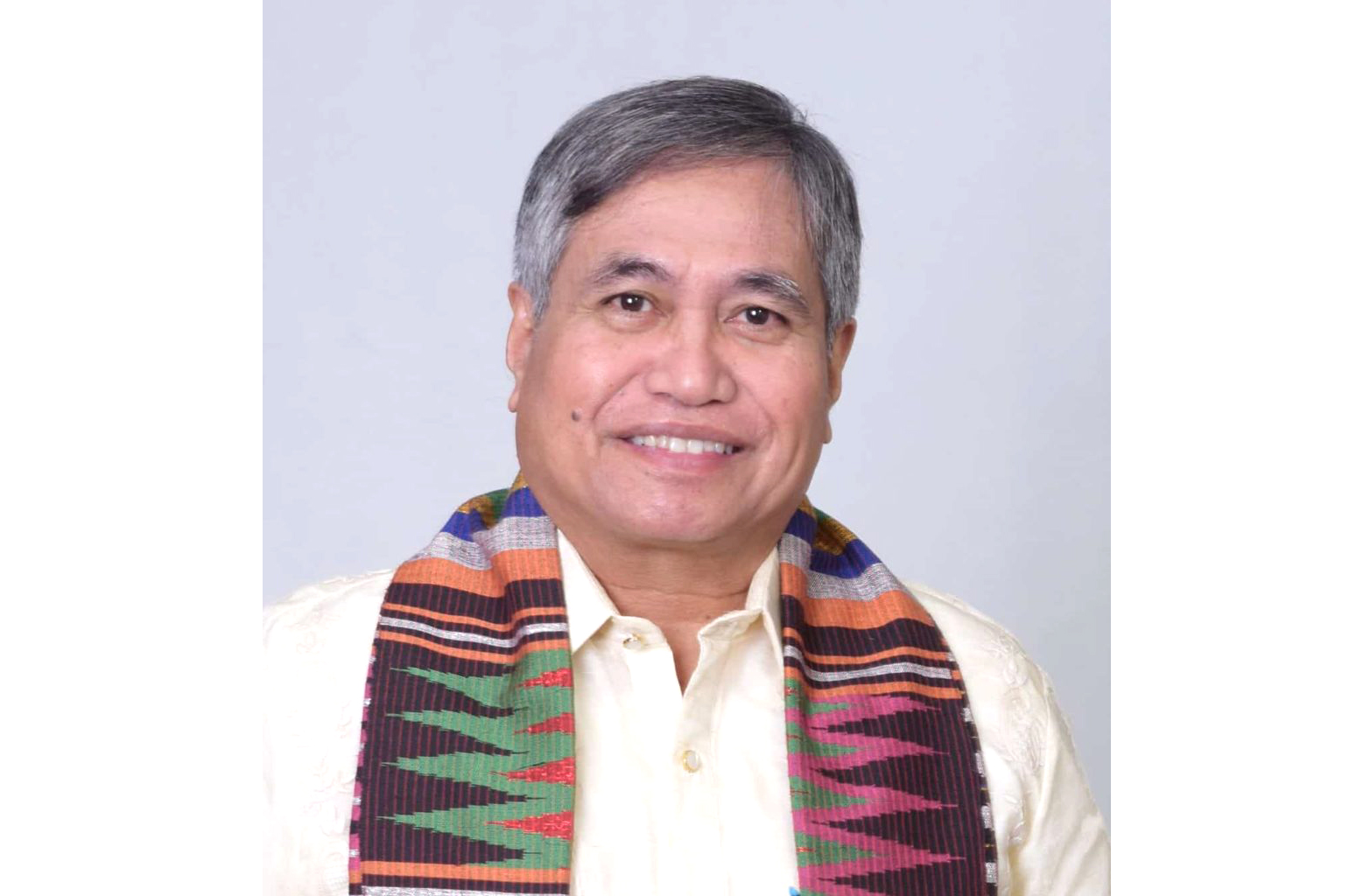
(Dr. Jaime Aristotle B. Alip is a poverty eradication advocate. He is the founder of the Center for Agriculture and Rural Development Mutually-Reinforcing Institutions (CARD MRI), a group of 23 organizations that provide social development services to eight million economically-disadvantaged Filipinos and insure more than 27 million nationwide.)