







The crucial role of international organizations in a globalized world


PEACE-MAKER
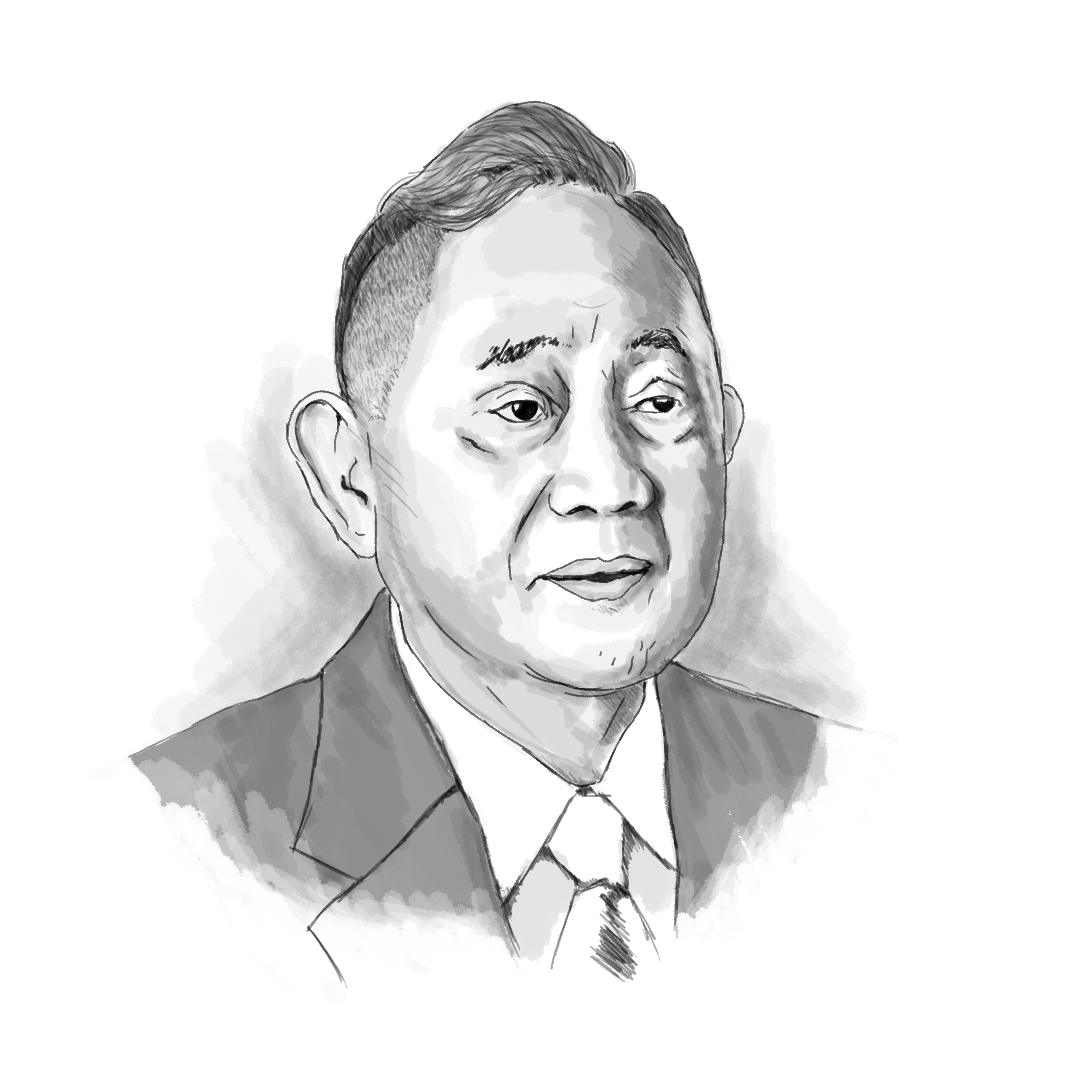
In the Asian region and in the world, we need to develop pragmatic and creative methods that will try to rebuild relations and advance the cause of peace, without allowing our differences to get in the way.
Our world is interconnected and rapidly evolving, thus the need for international organizations – which serve as platforms for nations to dialogue, collaborate and address global challenges.
International organizations offer a neutral ground where countries, regardless of size or power, can engage in meaningful discussions to find common ground and pursue common objectives. Whether its promoting peace, resolving conflicts, and tackling poverty, climate change, pandemic, terrorism, or narcotics trade, these forums can facilitate mutual understanding and cooperation.
We mentioned in this column much earlier that we have spent the last two decades bringing together Asia’s political groupings into the International Conference of Asian Political Parties (ICAPP); and our national legislatures into the Asian Parliamentary Assembly (APA), both of which have grown rapidly into advanced organizations.
ICAPP, which we founded in Manila in September 2000, is now composed of 352 ruling and opposition political parties from 52 countries in Asia.
Meanwhile, APA now has 41 member-parliaments and was earlier called the Association of Asian Parliaments for Peace (AAPP), until we proposed in Islamabad in December 2006 its conversion from AAPP to become the Asian Parliamentary Assembly (APA), in hopes that it could be a forerunner of an eventual Asian Parliament like the European Parliament.
We also co-founded the Asian Peace and Reconciliation Council (APRC) in Bangkok in September 2012, which is composed of former heads of governments, leaders of parliament, foreign ministers, and policy-makers. APRC aims to assist governments and organizations in peace-building and conflict resolution in Asia and other areas.
Let me now go to CAPDI, the Centrist Asia Pacific Democrats International, perhaps the only organization in the Asia Pacific that brings together political parties and the institutions of civil society. CAPDI’s forerunner was CDI Asia Pacific.
CDI Asia Pacific’s first chairman elected unanimously at the inaugural ceremony in Manila in February 2006 was then Thai Prime Minister Thaksin Shinawatra, who presided over the surge in the Thailand economy, and whose political organization repeatedly swept subsequent elections in Thailand even when he was in exile. We were elected president, and as vice presidents, Cambodian deputy prime minister Sok An; Prince Norodom Ranariddh, speaker of the Cambodian National Assembly; Thai deputy prime minister Surakiart Sathirathai, then ASEAN nominee for UN secretary general; Pakistani senator Mushahid Hussain; and Indonesian Golkar party deputy chairman Theo Sambuaga.
Because of the military coup in Thailand, Premier Thaksin Shinawatra, then in exile begged off from re-election, thus in the CDI second anniversary in Jakarta, Vice President of Indonesia Jusuf Kalla, hero of the Aceh Peace Process, was unanimously elected chairman. We were reelected president together with our vice presidents.
In the successful meetings which began in Phnom Penh, on Dec. 1, 2010, followed by the 10th anniversary assembly of ICAPP on Dec. 2, CDI Asia Pacific was tentatively renamed CAPDI, or Centrist Asia Pacific Democrats International, and unanimously elected Prime Minister Hun Sen as chairman emeritus, Jusuf Kalla as chairman,this columnist as president, and former President Fidel Ramos as honorary chairman, with Deputy Premier Sok An, as senior vice president, Surakiart Sathirathai as vice president, Sen. Mushahid Hussain as secretary general, and Suos Yara of Cambodia and Francis Manglapus of the Philippines as deputies secretary general.
Suos Yara is now on his second term as member of parliament of Cambodia and serves and serves as chairman of the committee on foreign affairs, international cooperation, and media and information in the National Assembly. He is also the spokesman of the ruling Cambodian People’s Party, which scored a landslide victory in the recently-concluded general elections. He is also the director general of the Asian Cultural Council, a subsidiary organization under the International Conference of Asian Political Parties.
The global appeal of CAPDI may necessitate a further change in reach and structure, not only limited to Asia and the Pacific because of the desire of former political and civil society leaders from Europe, Africa, and North and South America to join the enlarged organization. On that historic morning in Phnom Penh, Dec. 1, 2010, on the joint initiative of Cambodia, led by Premier Hun Sen and Sok An, Pakistan and the Philippines, we created the CAPDI Peace Commission that declared its intent to help even in small ways to seek reconciliation in Asia’s conflict zones.
As our world continues to grapple with multifaceted challenges that require collective efforts, international organizations remind us of the power of unity in an increasingly interconnected and rapidly evolving world.