ADVERTISEMENT

Creating the best version of yourself

Published Aug 5, 2023 04:30 pm

THROUGH UNTRUE

What do you think?

“We all possess the power to shape our destiny and become the person we choose to be.” This sentiment is often echoed by motivational speakers, self-proclaimed life coaches, and social media influencers, as they urge people to create the best version of themselves through willpower and determination.
The truth is, while we can try to be anything we set our mind to, our chances of success are an entirely different matter. Certain insurmountable limitations that are beyond our control, like genetic, physical, and psychological predispositions, as well as environmental and social constraints, may thwart our best efforts to become our ideal selves.


The media abound with stories of women undergoing costly medical and cosmetic procedures, hormone therapy, and other drastic and painful body alterations to emulate fashion and cosmetic icons whom they idolize. Many men also relentless pursue wealth, power, and prestige, wrongly believing that having more means being more. Tragically, when these aspirations remain unfulfilled, these lead to self-blame, stress, anxiety, and even depression, with some resorting to extreme measures like suicide.


Drawing wisdom from the gospel reading today about the transfiguration of Jesus, valuable lessons emerge for those who think that self-transformation can be achieved merely through sheer will. During the transfiguration, the apostles Peter, James, and John beheld Jesus's appearance change from an ordinary man into an extraordinary figure clad in brilliant white garments and whose face was radiant as the sun (Matthew 17:2).


This wondrous sight made Peter so ecstatic that he exclaimed: “Lord, it is good that we are here” (Matthew 17:4). The spectacular appearance of Jesus conformed with his idea of a messiah — majestic, powerful, divine.


But the true significance of the transfiguration lay beyond the dazzling physical transformation of Jesus. A voice emanating from a bright cloud enveloping Jesus revealed the deeper truth: “This is my beloved Son, with whom I am well pleased, listen to Him” (Matthew 17:5).


Had Peter listened well to that voice, he would have realized that the transfigured image of Jesus did not define who He was. Rather, Jesus's core essence was His being God’s beloved. This gave Him a profound sense of validation and the strength to embrace his difficult mission, unburdened by insecurities and self-doubt. 


Similarly, we discover our true selves by acknowledging and accepting that we are beloved children of God. Our journey toward becoming the best version of ourselves does not necessitate extravagant makeovers, transformations, or reinventions to conform to societal standards of beauty, success, wealth, or fame. Such pursuits often conceal or distort our authentic identity, pressuring us to conform to illusory ideals that do not align with our true selves. 


Like Jesus, understanding that God’s love for us is unconditional enables us to embrace our imperfections. We are not mere products of chance or random evolutionary processes. Rather, we are wondrous creations of God, blessed with unique qualities, talents, and potential, capable of contributing to the fulfillment of God’s divine plan.


The inspiring example of Nelson Mandela exemplifies this truth. While his initial dream was to become a successful lawyer, he found ultimate fulfillment by trusting God's love and surrendering to His will. Despite facing 27 years of imprisonment, Mandela emerged as the most admired anti-apartheid advocate and South Africa's first black president. His life was a testament to peace, reconciliation, and forgiveness, showcasing that the best version of ourselves lies in becoming the person God intended us to be — His beloved.

Related Tags

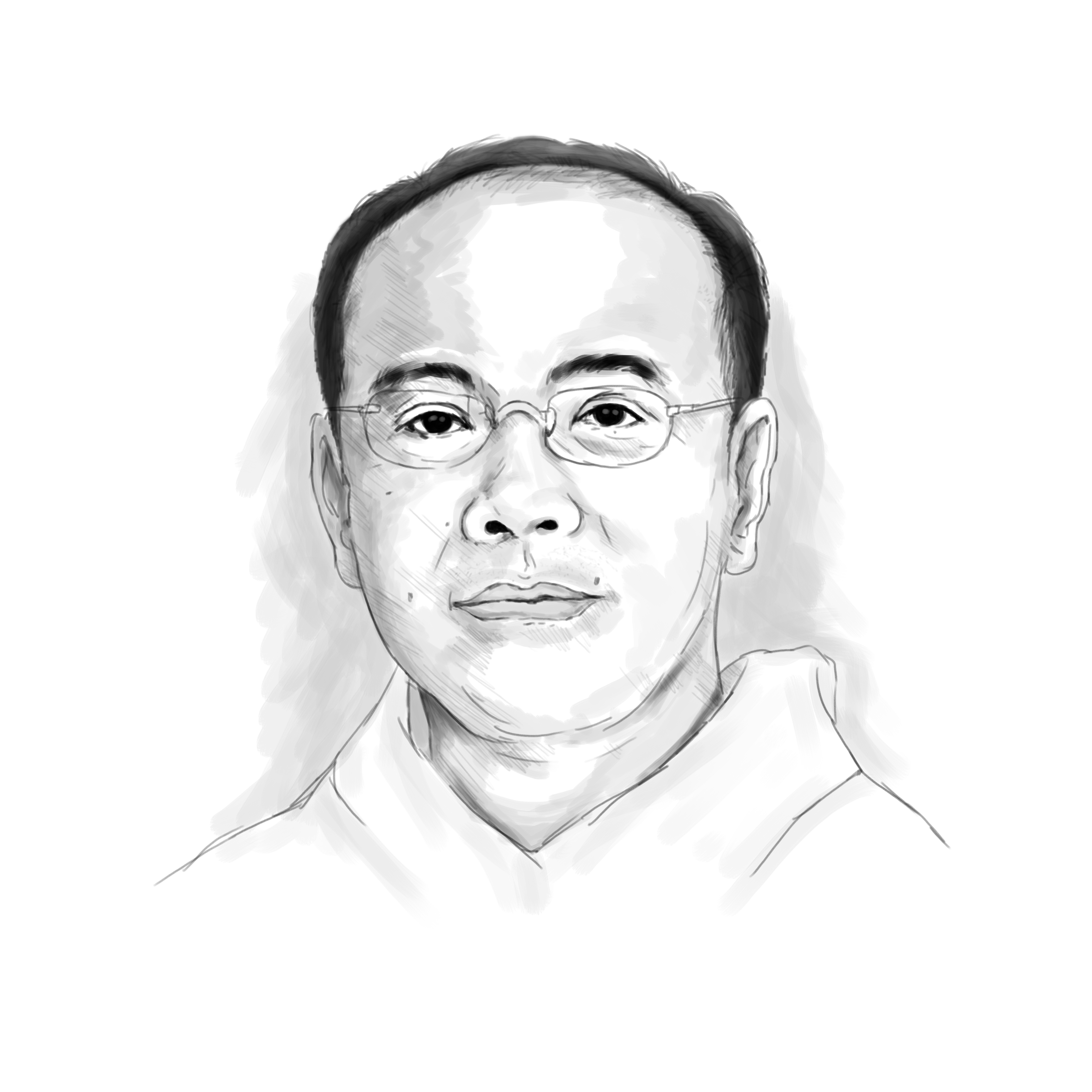
Fr. Rolando de la Rosa O.P. THROUGH UNTRUE
ADVERTISEMENT
.most-popular .layout-ratio{ padding-bottom: 79.13%; } @media (min-width: 768px) and (max-width: 1024px) { .widget-title { font-size: 15px !important; } }

{{ articles_filter_1561_widget.title }}

.most-popular .layout-ratio{ padding-bottom: 79.13%; } @media (min-width: 768px) and (max-width: 1024px) { .widget-title { font-size: 15px !important; } }

{{ articles_filter_1562_widget.title }}

.most-popular .layout-ratio{ padding-bottom: 79.13%; } @media (min-width: 768px) and (max-width: 1024px) { .widget-title { font-size: 15px !important; } }

{{ articles_filter_1563_widget.title }}

{{ articles_filter_1564_widget.title }}

.mb-article-details { position: relative; } .mb-article-details .article-body-preview, .mb-article-details .article-body-summary{ font-size: 17px; line-height: 30px; font-family: "Libre Caslon Text", serif; color: #000; } .mb-article-details .article-body-preview iframe , .mb-article-details .article-body-summary iframe{ width: 100%; margin: auto; } .read-more-background { background: linear-gradient(180deg, color(display-p3 1.000 1.000 1.000 / 0) 13.75%, color(display-p3 1.000 1.000 1.000 / 0.8) 30.79%, color(display-p3 1.000 1.000 1.000) 72.5%); position: absolute; height: 200px; width: 100%; bottom: 0; display: flex; justify-content: center; align-items: center; padding: 0; } .read-more-background a{ color: #000; } .read-more-btn { padding: 17px 45px; font-family: Inter; font-weight: 700; font-size: 18px; line-height: 16px; text-align: center; vertical-align: middle; border: 1px solid black; background-color: white; } .hidden { display: none; }
function initializeAllSwipers() { // Get all hidden inputs with cms_article_id document.querySelectorAll('[id^="cms_article_id_"]').forEach(function (input) { const cmsArticleId = input.value; const articleSelector = '#article-' + cmsArticleId + ' .body_images'; const swiperElement = document.querySelector(articleSelector); if (swiperElement && !swiperElement.classList.contains('swiper-initialized')) { new Swiper(articleSelector, { loop: true, pagination: false, navigation: { nextEl: '#article-' + cmsArticleId + ' .swiper-button-next', prevEl: '#article-' + cmsArticleId + ' .swiper-button-prev', }, }); } }); } setTimeout(initializeAllSwipers, 3000); const intersectionObserver = new IntersectionObserver( (entries) => { entries.forEach((entry) => { if (entry.isIntersecting) { const newUrl = entry.target.getAttribute("data-url"); if (newUrl) { history.pushState(null, null, newUrl); let article = entry.target; // Extract metadata const author = article.querySelector('.author-section').textContent.replace('By', '').trim(); const section = article.querySelector('.section-info ').textContent.replace(' ', ' '); const title = article.querySelector('.article-title h1').textContent; // Parse URL for Chartbeat path format const parsedUrl = new URL(newUrl, window.location.origin); const cleanUrl = parsedUrl.host + parsedUrl.pathname; // Update Chartbeat configuration if (typeof window._sf_async_config !== 'undefined') { window._sf_async_config.path = cleanUrl; window._sf_async_config.sections = section; window._sf_async_config.authors = author; } // Track virtual page view with Chartbeat if (typeof pSUPERFLY !== 'undefined' && typeof pSUPERFLY.virtualPage === 'function') { try { pSUPERFLY.virtualPage({ path: cleanUrl, title: title, sections: section, authors: author }); } catch (error) { console.error('ping error', error); } } // Optional: Update document title if (title && title !== document.title) { document.title = title; } } } }); }, { threshold: 0.1 } ); function showArticleBody(button) { const article = button.closest("article"); const summary = article.querySelector(".article-body-summary"); const body = article.querySelector(".article-body-preview"); const readMoreSection = article.querySelector(".read-more-background"); // Hide summary and read-more section summary.style.display = "none"; readMoreSection.style.display = "none"; // Show the full article body body.classList.remove("hidden"); } document.addEventListener("DOMContentLoaded", () => { let loadCount = 0; // Track how many times articles are loaded const offset = [1, 2, 3, 4, 5, 6, 7, 8, 9, 10]; // Offset values const currentUrl = window.location.pathname.substring(1); let isLoading = false; // Prevent multiple calls if (!currentUrl) { console.log("Current URL is invalid."); return; } const sentinel = document.getElementById("load-more-sentinel"); if (!sentinel) { console.log("Sentinel element not found."); return; } function isSentinelVisible() { const rect = sentinel.getBoundingClientRect(); return ( rect.top < window.innerHeight && rect.bottom >= 0 ); } function onScroll() { if (isLoading) return; if (isSentinelVisible()) { if (loadCount >= offset.length) { console.log("Maximum load attempts reached."); window.removeEventListener("scroll", onScroll); return; } isLoading = true; const currentOffset = offset[loadCount]; window.loadMoreItems().then(() => { let article = document.querySelector('#widget_1690 > div:nth-last-of-type(2) article'); intersectionObserver.observe(article) loadCount++; }).catch(error => { console.error("Error loading more items:", error); }).finally(() => { isLoading = false; }); } } window.addEventListener("scroll", onScroll); });

Sign up by email to receive news.