







What it takes to teach
A hinterland teacher in Samar endures a 50-km walk through rough, hazardous terrain to deliver education to students
By Sonny Daanoy


At A Glance
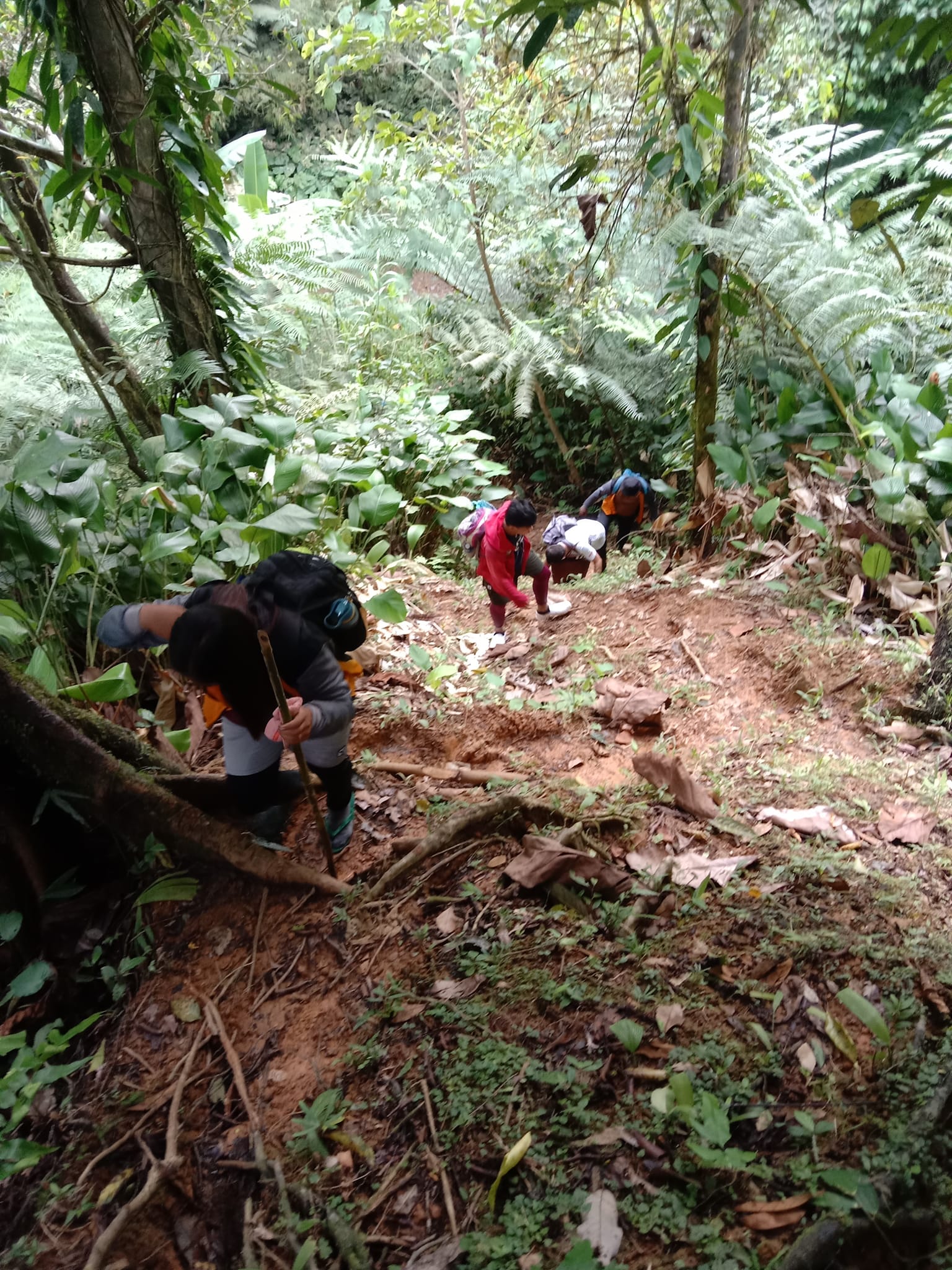
- To reach the school location, he and his fellow teachers need enormous endurance and patience while walking approximately 50 kilometers (km) through rough and hazardous terrain.
- He underscored that the "love and care of the people in the community" are also factors influencing his decision to stay.
- "Seeing my pupils learn in different ways, especially in reading and writing. That's what makes me feel like a teacher."
Typically, before the commencement of the school year, most teachers have their hands full --- preparing lesson plans, learner guides, and visual aids before the class opening.

But that is not the only case for this hinterland teacher.
Marcelino Rada Jr., also known as “Sir Mars," is a 25-year-old rural teacher who dedicated three years of his teaching career to Salvacion Elementary School situated in the mountainous area of Calbayog City, Samar.
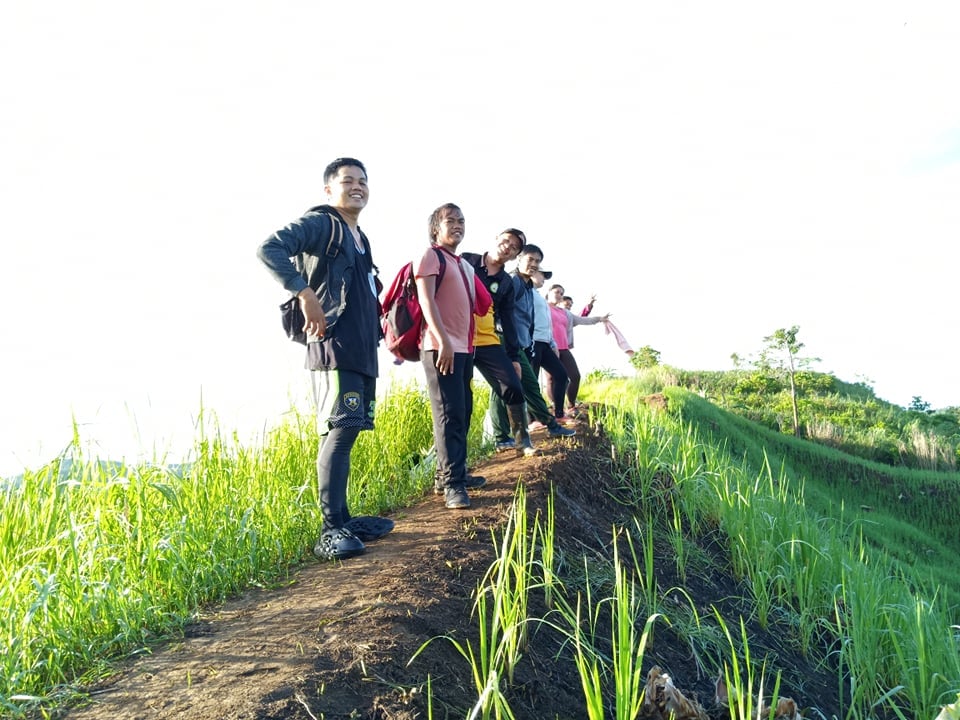
To reach the school location, he and his fellow teachers need enormous endurance and patience while walking approximately 50 kilometers (km) through rough and hazardous terrain to impart knowledge to their students.
In a Manila Bulletin interview, Rada shared that his family and the community he is teaching in are the two motivating factors that drive him to continue his teaching career in the remote area.
“It helps me as additional compensation, which is generally paid to me because we all know the salary of teachers isn't enough to sustain the needs of our family," Rada said about the multigrade special hardship allowance (MG-SHA) --- a government compensation provided to teachers working in remote and isolated areas.
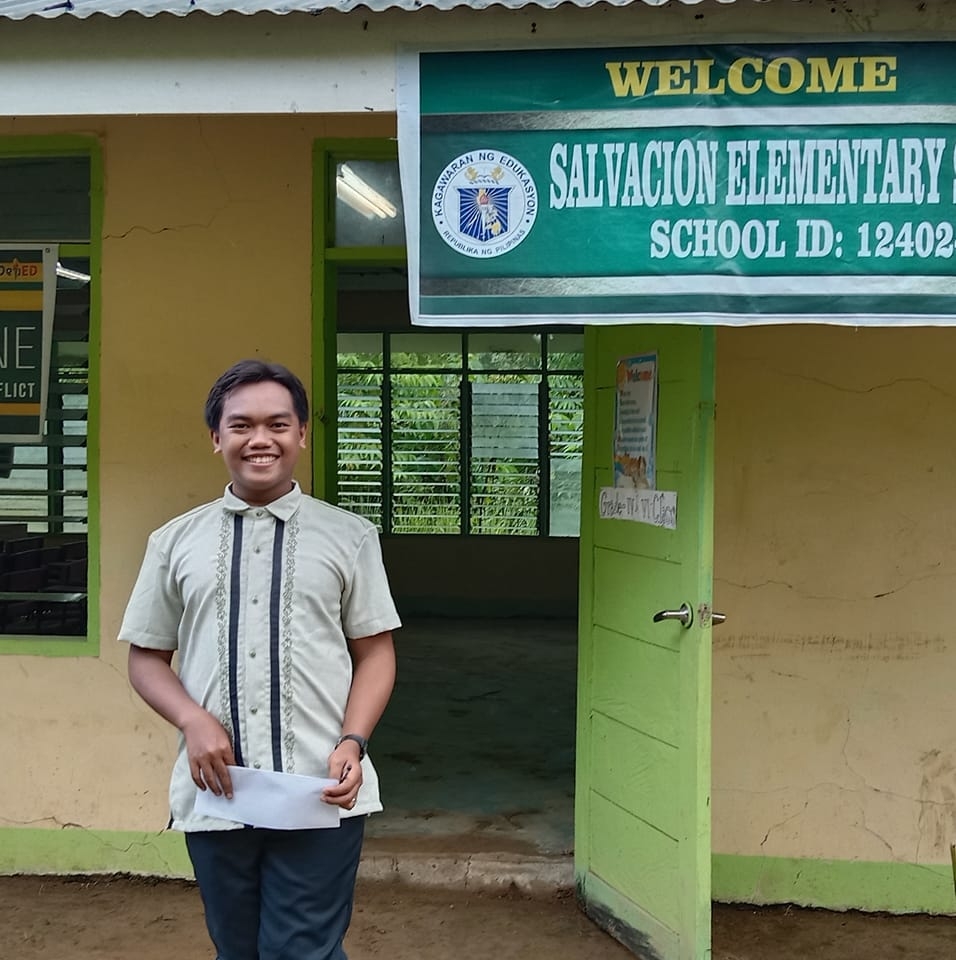
Meanwhile, he underscored that the “love and care of the people in the community” are also factors influencing his decision to stay.
“Even though they lead very simple lives, completing their meals with corn and other root crops, they prefer to share with us. Compared to the life we have here in the city, life in the 'barrio' is quite wonderful and so much 'tipid' (frugal)," he stated.
Breaking the burden
Rada pointed out that his goal as an elementary teacher is to " ensure the quality of my pupil's learning and to break down the burden" --- especially since he handles several grade levels with intellectual differences.
He added that the most rewarding aspect of being a teacher is “seeing my pupils learn in different ways, especially in reading and writing. That's what makes me feel like a teacher.”
Despite the challenges he encounters while teaching, Rada expressed confidence in the newest Department of Education's (DepEd) MATATAG curriculum.
The curriculum has a goal of "MAke the curriculum relevant to produce job-ready, active, and responsible citizens; TAke steps to accelerate the delivery of basic education services and provision facilities; TAke good care of learners by promoting learner well-being, inclusiveness learning, and positive learning environment; and Give support for teachers to teach better."
“It [has a] big impact, especially for us teachers, as it reduces the number of teaching areas and integrates the other subjects into one,” Rada said.
“As a teacher handling three grade levels, it will be easy for me to prepare my lessons and craft my lesson plan," he added.
READ:
Indeed, education is arguably the most significant aspect of an individual's existence, serving as the foundational building block for various tools that reside harmlessly within people's minds.
These sets of tools can then be employed to navigate the real-world battlefield known as “life.”
However, the quality of education depends on educators' proficiency and the standards they provide to their students.
Thus, the skills and dedication of a teacher like “Sir Mars” are considered crucial pillars within a country's education system, as they can make a profound impact on students as they graduate and face real-world challenges.