







Championing financial inclusion


FROM THE MARGINS
More Filipinos are becoming part of the formal financial system. Bangko Sentral ng Pilipinas (BSP) Gov. Eli Remolona, Jr. has announced that their goal to raise to 70 percent the number of adult Filipinos with bank accounts will be achieved this year. This is great news! Only 29 percent had accounts per the 2019 Financial Inclusion Survey (FIS), but after the pandemic, the 2021 FIS showed a dramatic increase to 56 percent. More Filipinos now have bank accounts they use to access financial services and participate in the digital economy.
We are fortunate for having regulators that had always championed inclusive finance. Decades ago, only non-government organizations (NGOs) were engaged in microfinance – the precursor of financial inclusion. It was still microcredit at that time, offered by mostly faith-based NGOs working with poor communities. Pioneering microfinance institutions (MFIs) sourced grants to offer low-interest loans for livelihood, weaning poor people away from high-interest, self-perpetuating debts to informal lenders.
Previously, except for a few rural and thrift banks that lent to NGOs and cooperatives, banks were hardly accessible to the poor, who had no collateral or credit history to meet stringent loan requirements. Luckily, the BSP recognized that microfinance is important to poverty alleviation and adopted policies that eventually led to its being mainstreamed into the banking sector.
From microfinance to financial inclusion
It was in 2000 when Gov. Rafael Buenaventura adopted microfinance as the flagship poverty alleviation program of the BSP. He was concerned about rising poverty and explained that “microfinance is inherently attractive to us because its successful practice is basically founded on sound credit principles rather than credit subsidy. It is market-oriented and is, therefore, a viable proposition for the banks that we are responsible for.”
Initially, the aim of microfinance is simply to make available small loans to help the underprivileged become productive without falling victims to loan sharks. Then practitioners developed best practices to ensure sustainability and more financial services were offered: savings, remittance, microinsurance, and a variety of loans for business, housing, agriculture, and others. BSP supported innovations and industry growth. The goal became more ambitious, and microfinance transformed into a broader advocacy for financial inclusion: To enable all Filipino adults to access bank services that would allow them to borrow and save money, make payments, receive funds, get insured, and access other financial services so they could improve their living standards.
A succession of BSP leadership – from Gov. Buenaventura, to Governors Armando Tetangco, Jr., Nestor Espenilla, Jr., Benjamin Diokno, Felipe Medalla, and currently, Gov. Remolona — has championed financial inclusion. BSP continually paved the way for the poor and marginalized to avail of financial services.
RBB microfinance foundation
The Rafael B. Buenaventura Micro Finance Resource Center foundation Inc. (RBB Microfinance foundation) was established in 2007 by his family and friends, and the Bankers Association of the Philippines (BAP), which donated ₱10 million as a seed fund to continue his legacy of promoting sustainable microfinance. The foundation has been a catalyst for the microfinance community: leading the establishment of a microfinance credit bureau and strengthening MFIs through capacity-building programs.
In 2012, the foundation, together with BAP-CB (Credit Bureau), established the Microfinance Information Data Sharing System (MiDAS) in partnership with several MFIs: ASA Philippines foundation, Ahon sa Hirap Inc, (ASHI), Center for Agriculture and Rural Development (CARD) Inc., CARD Bank, Negros Women for Tomorrow Foundation (NWTF) and Taytay sa Kauswagan, Inc. (TSKI). The MiDAS is a data sharing system that allows MFIs to submit reports, send inquiries and retrieve information on existing and prospective microfinance borrowers. The founding MFIs incorporated themselves in 2013 and eventually assumed the management and operation of this microfinance credit bureau. While they initially subsidized the costs of operating the credit bureau, MiDAS is now self-sustaining and offers the lowest fees for subscribers to access the most extensive 12.5 million database of microfinance clients in the country.
The RBB Microfinance foundation has partnered with the BSP to support the pioneering work of microfinance NGOs. The “Rafael Buenaventura Awards for Outstanding MFIs” recognizes innovation in products/service and service delivery along thematic areas such as micro-deposits, insurance, health, housing and disaster management. Its capacity-building program for MFIs includes: Asset liability and balance sheet management, succession management, enterprise/credit risk management, corporate governance and digital transformation. It also sponsors forums on models of partnerships between commercial banks and MFIs.
The BAP has remained supportive of the foundation and provided funds for some of its programs in the last three years.
A continuing advocacy
Financial inclusion is a national development agenda that calls for the coordinated efforts of the government, private sector and civil society. Kudos to BSP for ensuring that we have a long-term National Strategy for Financial Inclusion, which provides the guiding framework for all stakeholders. What Gov. Remolona said during the August 14 Philippine Economic Briefing to promote a pro-poor sustainable framework for banks echo in my mind: “We want to strengthen our programs for sustainability but we want sustainability with a heart.”
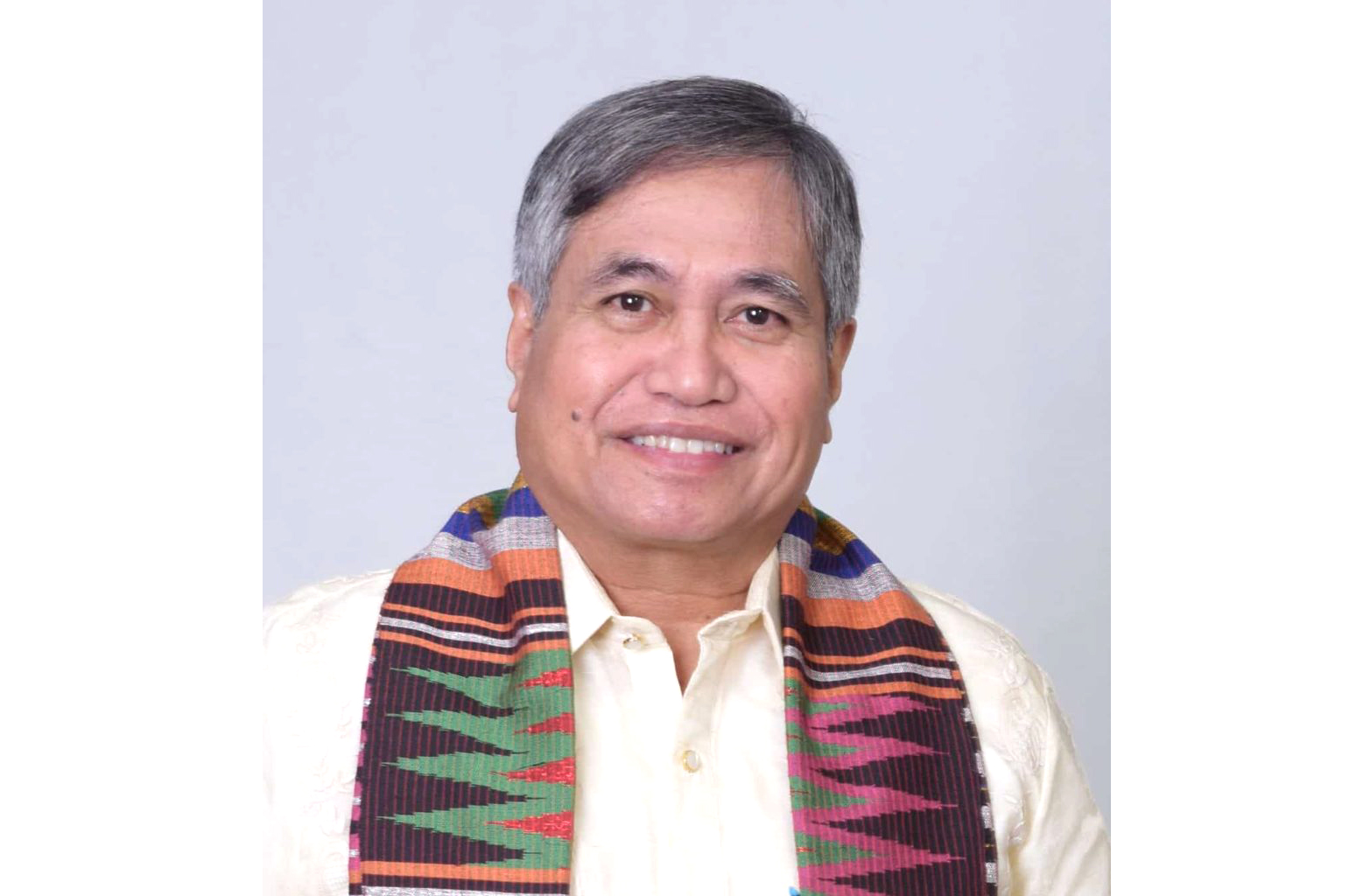
(Dr. Jaime Aristotle B. Alip is a poverty eradication advocate. He is the founder of the Center for Agriculture and Rural Development Mutually-Reinforcing Institutions (CARD MRI), a group of 23 organizations that provide social development services to eight million economically-disadvantaged Filipinos and insure more than 27 million nationwide.)