







Marcos orders safeguards in online procurement


At A Glance
- Marcos says there should be an accreditation element when engaging in digital transactions.
- The PS-DBM will pilot an e-Marketplace for government procurement of motor vehicles.
President Ferdinand "Bongbong" Marcos Jr. said the government must put up safeguards to be observed in implementing an online procurement system.
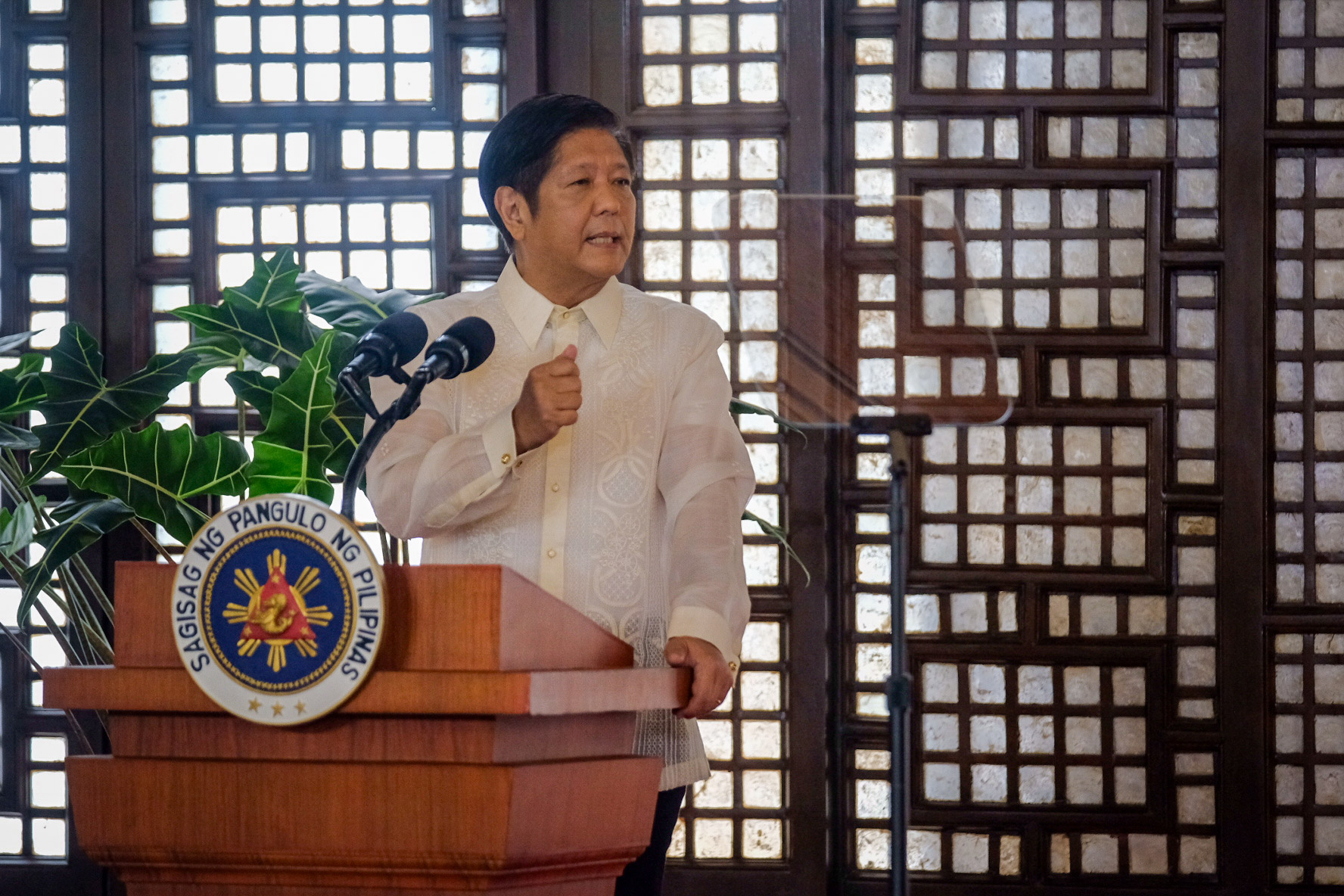
Marcos said this after the Department of Budget and Management (DBM) announced that its Procurement Service (PS-DBM) will pilot an e-Marketplace under the Philippine Government Electronic Procurement System (PhilGEPS) for government procurement of motor vehicles.
In a sectoral meeting in Malacañang on Tuesday, Aug. 22, the President said there should be an accreditation system to ensure that the government gets what it bought.
"There will still be an element of accreditation because we cannot just open the market to anything. [What if] you buy something, you get nothing? A box with nothing inside. Yung ganoon (Things like that)," he said.
"So, to safeguard against that, kailangan accredited yung kausap natin (the person we're dealing with should be accredited)," he added.
Marcos also warned about overpricing, which will place at a disadvantage those buying products and equipment through the digital platform.
In response, National Economic and Development Authority (NEDA) Secretary Arsenio Balisacan said price differences could reflect quality differences if goods are heterogenous and not homogeneous.
"We know that… goods that might be overpriced. There is already some exploitation of market power by preventing competitors from coming in," he said.
PhilGEPS is an electronic commerce service owned and operated by the PS-DBM. It serves as the central portal for all government procurement information and activities.
In a statement, the Presidential Communications Office (PCO) said that the DBM presented to the President during the same meeting the proposed amendments to Republic Act No. 9184, or the "Government Procurement Reform Act" (GPRA).
It said the GPRA was envisioned to address the lack of transparency and competition, eliminate collusion and political interference, and lessen delays in the procurement process.
"With the rapid transformation in technology over the past two decades and with the onslaught of the Covid-19 pandemic, the public relied heavily on digital transactions, compelling authorities to consider making government procurement more attuned to the changing times," the PCO said.