






 Philippines
National
Improve Pinoys' purchasing power while P20 per kilo rice not yet attainable — NEDA chief
Philippines
National
Improve Pinoys' purchasing power while P20 per kilo rice not yet attainable — NEDA chief
Improve Pinoys' purchasing power while P20 per kilo rice not yet attainable — NEDA chief


While the dream of rice being bought at P20 per kilo is still unattainable, the government believes improving Filipinos' purchasing power is "a good direction" to take now.
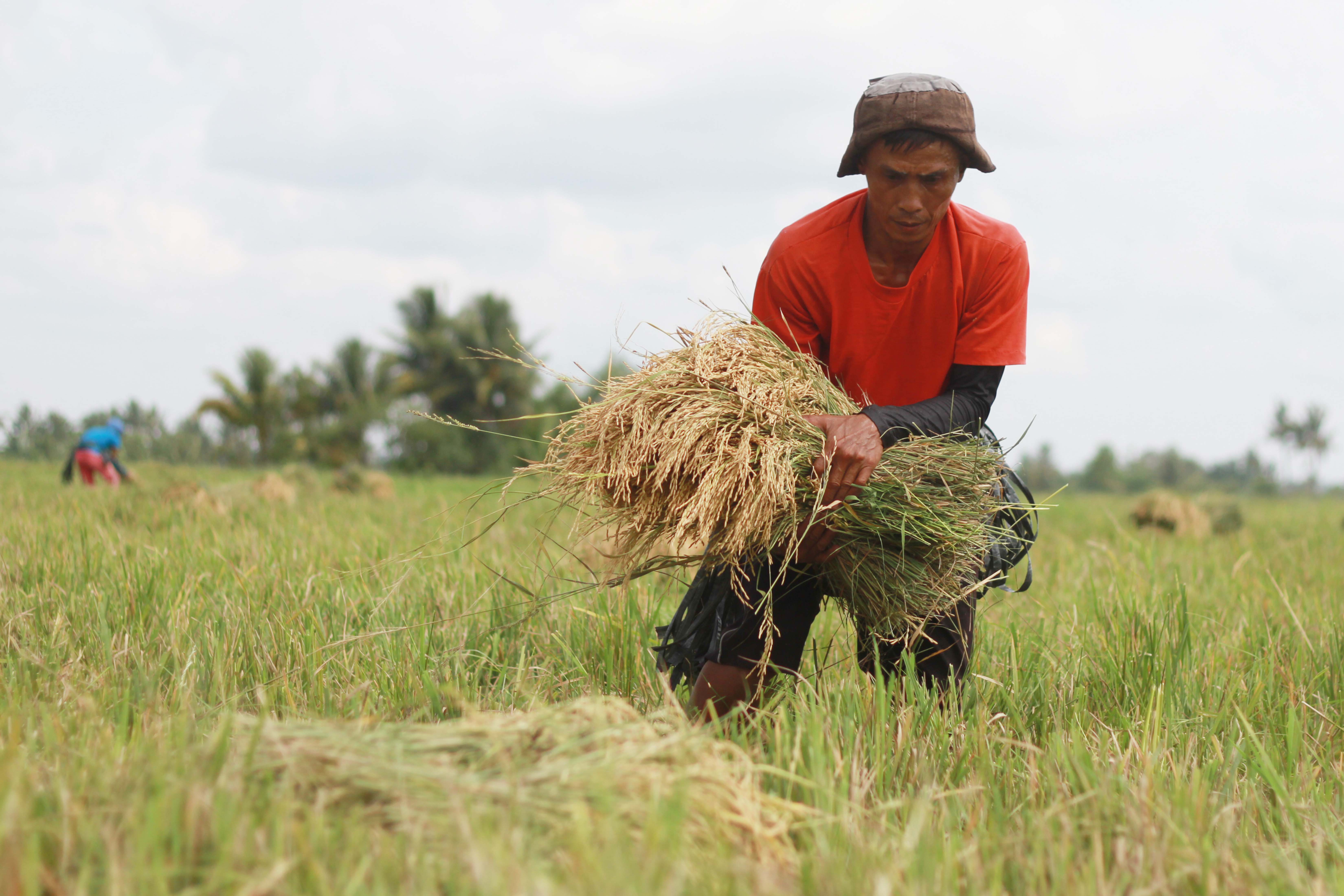
National Economic and Development Authority (NEDA) Secretary Arsenio Balisacan said the goal to bring down the price of rice to P20 "may still be possible" but in order to achieve that, the country must succeed in productivity in the agriculture sector.
Productivity, he said, would eventually lead to lower prices of commodities, not just rice. And when prices of goods are lower, Filipinos would have better purchasing capability, whether or not the price of rice would be reduced to P20 per kilo.
"I’m not saying that, it may still be possible. Again, we are not in control of so many things ‘no. Assuming that we will progress in productivity you should be able to increase the purchasing power," he said in a Palace briefing on Wednesday, Aug. 23.
"Alam ninyo, ang pinakaimportante naman sa farmers, sa poor is iyong (You know what's important for the farmers, for the poor is their) purchasing power nila. So, if we can prevent the purchasing power of every Filipino from being eroded by inflation that is a good direction to take ‘no," Balisacan added.
The NEDA chief said the government is looking at a "broader picture" where farmers will not suffer.
"So, we can increase the purchasing power of the poor if we can get that price coming down, not just the inflation rate coming down but the absolute prices coming down – so iyon ang goal natin (that's our goal). We are looking at the broader picture again it’s nice to look at one commodity like rice but in our framework for prosperity and inclusivity for all we look at those other considerations that matter most," he explained.
He stressed that the promise of President Ferdinand "Bongbong" Marcos Jr. to bring down the price of rice " has to be taken in the context that we will do what is needed to increase productivity.
"If we reduce the prices of rice at that level without commensurate increase in productivity, who will suffer? It’s the farmers that we are trying to protect, right? So, we should be very careful, that you are looking at this game in as comprehensive manner as possible," he stressed.
'We have neglected agriculture for decades'
Balisacan said the Marcos administration's position over lowering the prices of commodities "has always been that we need to increase productivity in agriculture," noting that what drives low prices are increases in productivity.
In order to achieve productivity, he said, the government must invest in irrigation, modern high-yielding varieties, pest control, and in logistics, among others.
"Unfortunately, those cannot be done overnight ‘no especially as I was saying earlier – you need investment, you need the private sector to invest in logistics, to invest in post-harvest facilities, we need government to build more irrigation systems, durable and resilient irrigation systems, we need to develop varieties that are resilient to climate change, to floods. You know, those cannot happen overnight," he said in the same Palace briefing.
"We have neglected agriculture for decades and that’s what we are trying now to reverse. We are putting a lot of resources into agriculture intended to create those productivity growth," he added.
The NEDA chief further said that the government should have done these investments many years ago, citing that the government has a lot of catching up to do now.