






 Philippines
National
'Not good governance' for Marcos to miss DA meetings, says Daza
Philippines
National
'Not good governance' for Marcos to miss DA meetings, says Daza
'Not good governance' for Marcos to miss DA meetings, says Daza


At A Glance
- President Ferdinand "Bongbong" Marcos Jr.'s inability to regularly meet with his eight undersecretaries in the Department of Agriculture (DA) isn't good governance, says House Senior Deputy Minority Leader and Northern Samar 1st district Rep. Paul Daza.
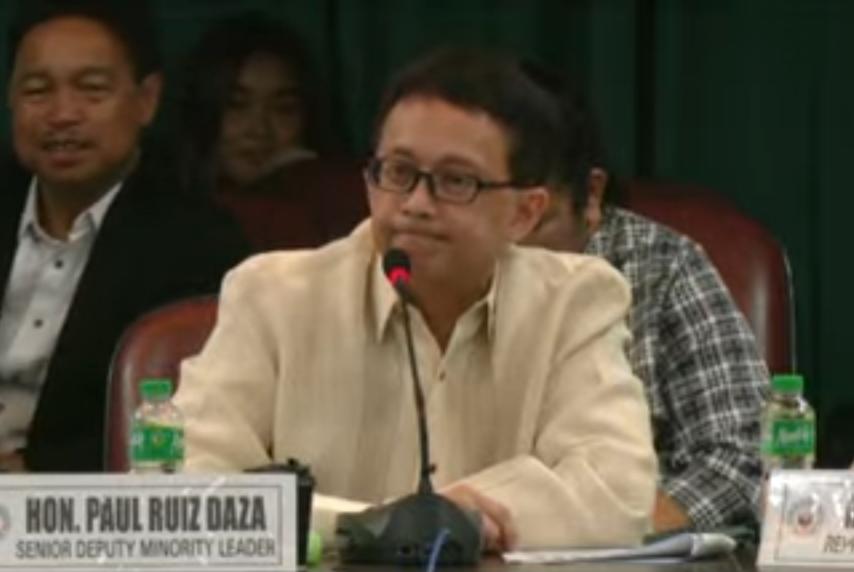 Northern Samar 1st district Rep. Paul Daza (Screenshot from YouTube live)
President Ferdinand "Bongbong" Marcos Jr.'s inability to regularly meet with his eight undersecretaries in the Department of Agriculture (DA) isn't good governance.
Thus, claimed House Senior Deputy Minority Leader and Northern Samar 1st district Rep. Paul Daza on Tuesday, Aug. 22 during the Committee on Appropriations' deliberation on the DA's proposed 2024 budget.
Daza learned from his interpellation of DA Senior Undersecretary Domingo Panganiban that the agency has a total of eight undersecretaries, and that they meet once every three months.
Marcos has been serving as DA secretary since assuming the Palace seat on June 30, 2022.
When the veteran legislator asked how many meetings with the undersecretaries Marcos managed to attend in the last six months, Panganiban replied, "None".
"Thank you for your honesty. I think that's one glaring problem. There's advantages of having the President be the main secretary for a department. But for a department with so many issues and problems, I don't think it's good governance, personally," Daza said.
"I have the highest respect for the President, he means well. But I think we need a full-time secretary," the ranking solon underscored.
When Panganiban said that he himself meets with Marcos twice a week to talk about agency matters, Daza said this wasn't enough as the Chief Executive doesn't get to meet "other usecs who have other issues and concerns".
"For you to do a better service to this country, I think you really need to recommend to the President to find a full-time secretary who will face us, daily, weekly, monthly," Daza told the senior undersecretary.
The DA is currently grappling with rising prices of rice, the country’s staple food.