ADVERTISEMENT

Making political parties 'the art of the impossible'

Published Aug 19, 2023 04:04 pm

PEACE-MAKER

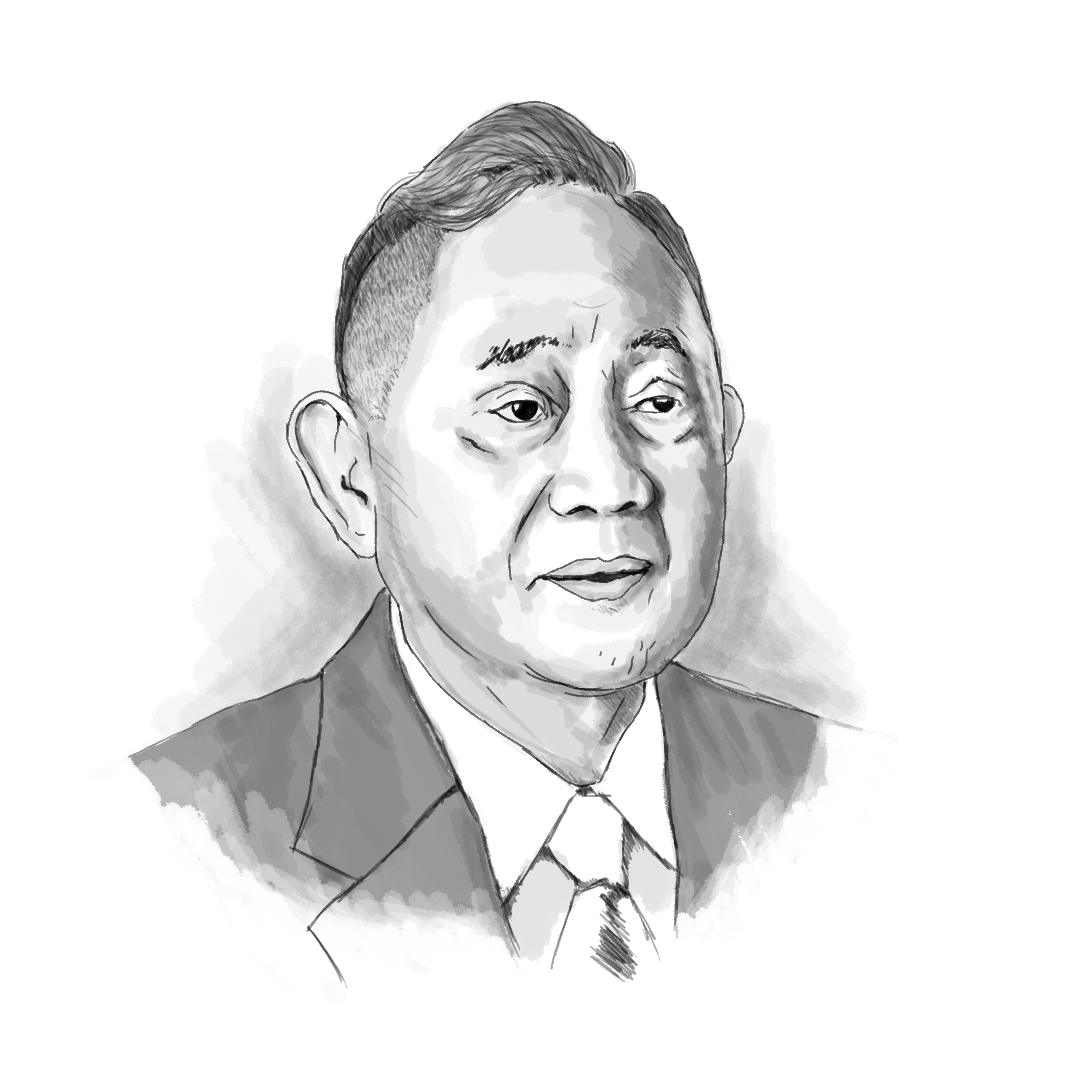
Remembering Judge Jose R. de Venecia Sr.

After some 50 years in Philippine partisan politics and 20 years in political party- and parliamentary diplomacy in Asia and the international community, this columnist, now almost 87, has spent these past three years just observing political events and developments.


Indeed, the last 100 years were a period of dramatic political change in the Asian continent. These far-flung outposts of empire that the West had stamped with the status of colonies have evolved into independent nations and states. 


Imperial hegemony had given way to the demands of nationhood, and Asians were developed proudly, evolving their own political and economic systems, and cultures, rooted in their own value systems. 


Many of the political parties were descendants of the movements for national liberation. They were led by charismatic and, in some cases, autocratic figures. 


They turned discipline and self-sacrifice into national virtues – as integral parts of the environment to fire the engines of national development; and they succeeded in building their nations into Oriental models of managerial excellence and productivity.


But changing realities – globalization and modern information technology, among others – require that nations look for more effective approaches to governance and development.


On the cusp of two centuries, indeed of two millennia, Asia faces increasing pressure to modernize. And political parties have come under growing pressure to ensure that democratic gains become irreversible. 


We still have a textbook ‘weak state,’ a government unable to enforce all its writs and guarantee elementary civil liberties. Our fragmented political system still hampers our collective ability to focus on national purposes and pursue national goals. 


Political parties, being the vehicles of people’s participation and aspirations, could not leave development to chance; nor could they allow public policies to be manipulated by the oligarchs and special interest groups that customarily fund electoral campaigns. 


Political parties have a responsibility to make a difference in people’s lives and in battling poverty and social inequality. 


As part of any thorough-going political reform, we need to build up strong political parties, to institutionalize, and therefore stabilize, political decision-making. 


In practice, representative government cannot be anything but party government. Presidents and administrations come and go, but political parties remain. Many of our political problems rise from our lack of political groupings able to think coherently of the national interest. 


But we do believe we can awaken this reformist spirit in our political system if we, together, tried hard enough.


We suggest that in national politics, too, we can aspire to achieve great goals. We can aspire to raise national politics beyond the ordinary. We can aspire to make democratic politics “the art of the impossible” –  the means of securing for our people all they need, want, and hope.

(Part of this column was an excerpt from our biography, Global Filipino, written by award-winning journalist and editor Brett M. Decker).
 

Related Tags

Former Speaker of the House Jose C. De Venecia Jr. PEACE-MAKER
ADVERTISEMENT
.most-popular .layout-ratio{ padding-bottom: 79.13%; } @media (min-width: 768px) and (max-width: 1024px) { .widget-title { font-size: 15px !important; } }

{{ articles_filter_1561_widget.title }}

.most-popular .layout-ratio{ padding-bottom: 79.13%; } @media (min-width: 768px) and (max-width: 1024px) { .widget-title { font-size: 15px !important; } }

{{ articles_filter_1562_widget.title }}

.most-popular .layout-ratio{ padding-bottom: 79.13%; } @media (min-width: 768px) and (max-width: 1024px) { .widget-title { font-size: 15px !important; } }

{{ articles_filter_1563_widget.title }}

{{ articles_filter_1564_widget.title }}

.mb-article-details { position: relative; } .mb-article-details .article-body-preview, .mb-article-details .article-body-summary{ font-size: 17px; line-height: 30px; font-family: "Libre Caslon Text", serif; color: #000; } .mb-article-details .article-body-preview iframe , .mb-article-details .article-body-summary iframe{ width: 100%; margin: auto; } .read-more-background { background: linear-gradient(180deg, color(display-p3 1.000 1.000 1.000 / 0) 13.75%, color(display-p3 1.000 1.000 1.000 / 0.8) 30.79%, color(display-p3 1.000 1.000 1.000) 72.5%); position: absolute; height: 200px; width: 100%; bottom: 0; display: flex; justify-content: center; align-items: center; padding: 0; } .read-more-background a{ color: #000; } .read-more-btn { padding: 17px 45px; font-family: Inter; font-weight: 700; font-size: 18px; line-height: 16px; text-align: center; vertical-align: middle; border: 1px solid black; background-color: white; } .hidden { display: none; }
function initializeAllSwipers() { // Get all hidden inputs with cms_article_id document.querySelectorAll('[id^="cms_article_id_"]').forEach(function (input) { const cmsArticleId = input.value; const articleSelector = '#article-' + cmsArticleId + ' .body_images'; const swiperElement = document.querySelector(articleSelector); if (swiperElement && !swiperElement.classList.contains('swiper-initialized')) { new Swiper(articleSelector, { loop: true, pagination: false, navigation: { nextEl: '#article-' + cmsArticleId + ' .swiper-button-next', prevEl: '#article-' + cmsArticleId + ' .swiper-button-prev', }, }); } }); } setTimeout(initializeAllSwipers, 3000); const intersectionObserver = new IntersectionObserver( (entries) => { entries.forEach((entry) => { if (entry.isIntersecting) { const newUrl = entry.target.getAttribute("data-url"); if (newUrl) { history.pushState(null, null, newUrl); let article = entry.target; // Extract metadata const author = article.querySelector('.author-section').textContent.replace('By', '').trim(); const section = article.querySelector('.section-info ').textContent.replace(' ', ' '); const title = article.querySelector('.article-title h1').textContent; // Parse URL for Chartbeat path format const parsedUrl = new URL(newUrl, window.location.origin); const cleanUrl = parsedUrl.host + parsedUrl.pathname; // Update Chartbeat configuration if (typeof window._sf_async_config !== 'undefined') { window._sf_async_config.path = cleanUrl; window._sf_async_config.sections = section; window._sf_async_config.authors = author; } // Track virtual page view with Chartbeat if (typeof pSUPERFLY !== 'undefined' && typeof pSUPERFLY.virtualPage === 'function') { try { pSUPERFLY.virtualPage({ path: cleanUrl, title: title, sections: section, authors: author }); } catch (error) { console.error('ping error', error); } } // Optional: Update document title if (title && title !== document.title) { document.title = title; } } } }); }, { threshold: 0.1 } ); function showArticleBody(button) { const article = button.closest("article"); const summary = article.querySelector(".article-body-summary"); const body = article.querySelector(".article-body-preview"); const readMoreSection = article.querySelector(".read-more-background"); // Hide summary and read-more section summary.style.display = "none"; readMoreSection.style.display = "none"; // Show the full article body body.classList.remove("hidden"); } document.addEventListener("DOMContentLoaded", () => { let loadCount = 0; // Track how many times articles are loaded const offset = [1, 2, 3, 4, 5, 6, 7, 8, 9, 10]; // Offset values const currentUrl = window.location.pathname.substring(1); let isLoading = false; // Prevent multiple calls if (!currentUrl) { console.log("Current URL is invalid."); return; } const sentinel = document.getElementById("load-more-sentinel"); if (!sentinel) { console.log("Sentinel element not found."); return; } function isSentinelVisible() { const rect = sentinel.getBoundingClientRect(); return ( rect.top < window.innerHeight && rect.bottom >= 0 ); } function onScroll() { if (isLoading) return; if (isSentinelVisible()) { if (loadCount >= offset.length) { console.log("Maximum load attempts reached."); window.removeEventListener("scroll", onScroll); return; } isLoading = true; const currentOffset = offset[loadCount]; window.loadMoreItems().then(() => { let article = document.querySelector('#widget_1690 > div:nth-last-of-type(2) article'); intersectionObserver.observe(article) loadCount++; }).catch(error => { console.error("Error loading more items:", error); }).finally(() => { isLoading = false; }); } } window.addEventListener("scroll", onScroll); });

Sign up by email to receive news.