ADVERTISEMENT

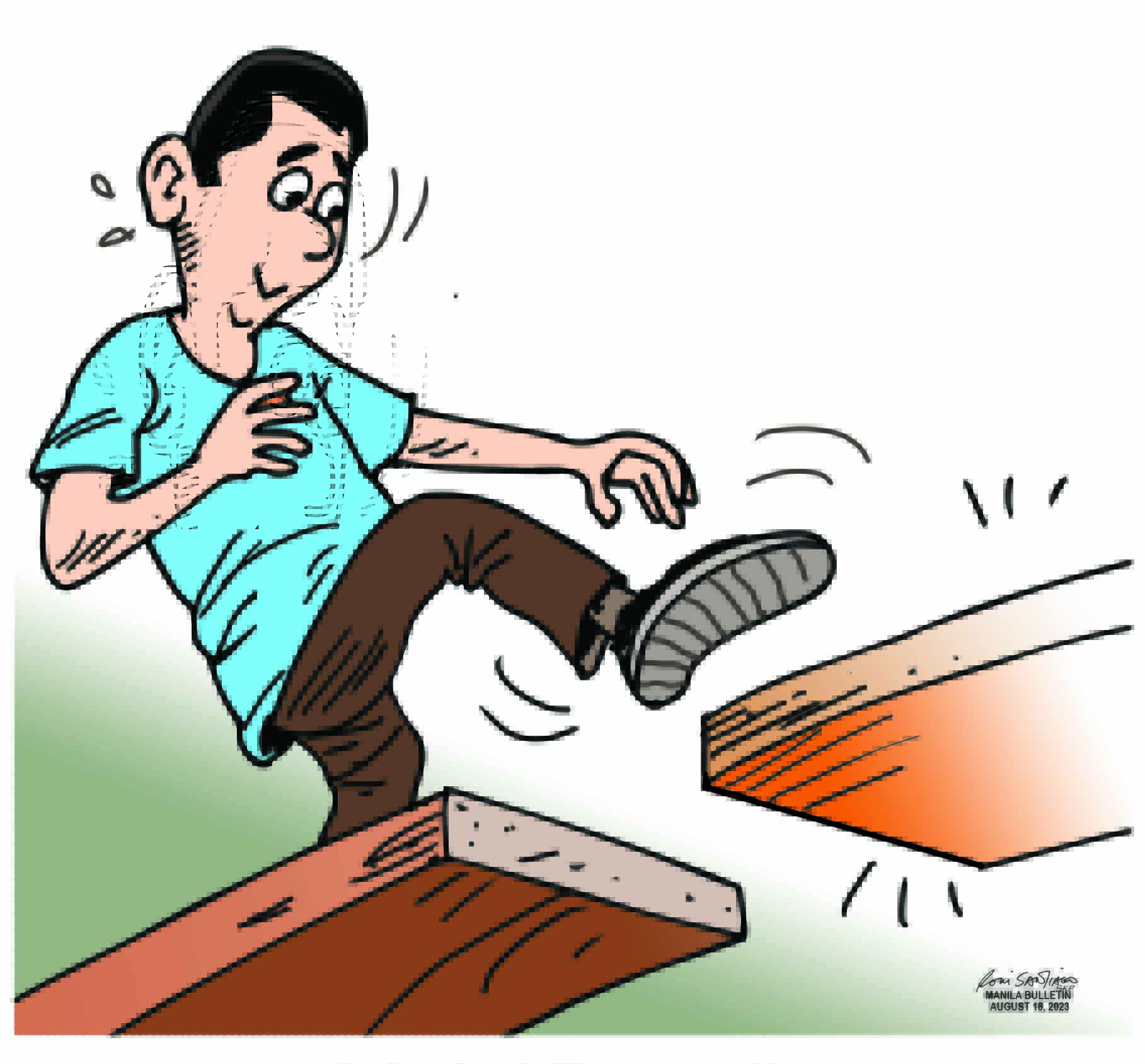
Estate tax amnesty extension a compassionate move

Published Aug 17, 2023 04:16 pm

E CARTOON AUG 18, 2023.jpg

The extension of the estate tax amnesty for two more years is a welcome development.


Republic Act (R.A.) No. 11569, which lapsed into law on Aug. 5, 2023, amended Section 6 of RA No. 11213, the Tax Amnesty Act, to extend the period of availment of the amnesty until June 14, 2025. The new law also extended the coverage for death to May 31, 2022, and prior years. Therefore, deaths at the height of the pandemic are covered. 


Another key feature of the new law allows the executor of the estate or the heirs to manually or electronically file the estate tax amnesty return, with provisions for installment payments.


The measure is a compassionate act as it will allow those who had failed to avail themselves of the original amnesty program under RA 11213 the opportunity to file their estate tax returns without incurring any penalty.


RA No. 11213 provides that estates covered by the estate tax amnesty, which have fully complied with all the conditions set forth,  including the payment of the estate amnesty tax, shall be immune from the payment of all estate taxes, as well as any increments and additions thereto, arising from the failure to pay any and all estate taxes for taxable year 2017 and prior years, and from all civil, criminal, and administrative cases and penalties under the National Internal Revenue Code of 1997, as amended.


The deadline for the availment of the original amnesty law was June 15, 2021. However, due to restrictions and the economic impact of the Covid-19 pandemic, many failed to avail themselves of the program.


Thus, with RA No. 11569 having lapsed into law, the deadline was extended for two more years or until June 14, 2025.


This is a win-win solution for the government and the executors of the estate tax. It will enable the government to collect more taxes, while it spares about 920,000 families from stiff penalties for failure to settle estate taxes on time.


Without the new law, those who failed to avail themselves of the original tax amnesty law or pay on time could be levied penalties of 20 percent per annum until the tax obligation is settled, their properties could be seized, and criminal charges for tax evasion could be filed.


Now that measure lapsed into law, the Bureau of Internal Revenue (BIR) has buckled down to work and is currently in the process of drafting the implementing rules and regulations for the extended estate tax amnesty program.


Once the IRR is approved, we encourage families who have failed to avail themselves of the original tax amnesty program or to settle estate taxes on time to grab this new opportunity. This is an opportune time to comply with tax obligations without incurring stiff penalties.
 

Related Tags

Editorial
ADVERTISEMENT
.most-popular .layout-ratio{ padding-bottom: 79.13%; } @media (min-width: 768px) and (max-width: 1024px) { .widget-title { font-size: 15px !important; } }

{{ articles_filter_1561_widget.title }}

.most-popular .layout-ratio{ padding-bottom: 79.13%; } @media (min-width: 768px) and (max-width: 1024px) { .widget-title { font-size: 15px !important; } }

{{ articles_filter_1562_widget.title }}

.most-popular .layout-ratio{ padding-bottom: 79.13%; } @media (min-width: 768px) and (max-width: 1024px) { .widget-title { font-size: 15px !important; } }

{{ articles_filter_1563_widget.title }}

{{ articles_filter_1564_widget.title }}

.mb-article-details { position: relative; } .mb-article-details .article-body-preview, .mb-article-details .article-body-summary{ font-size: 17px; line-height: 30px; font-family: "Libre Caslon Text", serif; color: #000; } .mb-article-details .article-body-preview iframe , .mb-article-details .article-body-summary iframe{ width: 100%; margin: auto; } .read-more-background { background: linear-gradient(180deg, color(display-p3 1.000 1.000 1.000 / 0) 13.75%, color(display-p3 1.000 1.000 1.000 / 0.8) 30.79%, color(display-p3 1.000 1.000 1.000) 72.5%); position: absolute; height: 200px; width: 100%; bottom: 0; display: flex; justify-content: center; align-items: center; padding: 0; } .read-more-background a{ color: #000; } .read-more-btn { padding: 17px 45px; font-family: Inter; font-weight: 700; font-size: 18px; line-height: 16px; text-align: center; vertical-align: middle; border: 1px solid black; background-color: white; } .hidden { display: none; }
function initializeAllSwipers() { // Get all hidden inputs with cms_article_id document.querySelectorAll('[id^="cms_article_id_"]').forEach(function (input) { const cmsArticleId = input.value; const articleSelector = '#article-' + cmsArticleId + ' .body_images'; const swiperElement = document.querySelector(articleSelector); if (swiperElement && !swiperElement.classList.contains('swiper-initialized')) { new Swiper(articleSelector, { loop: true, pagination: false, navigation: { nextEl: '#article-' + cmsArticleId + ' .swiper-button-next', prevEl: '#article-' + cmsArticleId + ' .swiper-button-prev', }, }); } }); } setTimeout(initializeAllSwipers, 3000); const intersectionObserver = new IntersectionObserver( (entries) => { entries.forEach((entry) => { if (entry.isIntersecting) { const newUrl = entry.target.getAttribute("data-url"); if (newUrl) { history.pushState(null, null, newUrl); let article = entry.target; // Extract metadata const author = article.querySelector('.author-section').textContent.replace('By', '').trim(); const section = article.querySelector('.section-info ').textContent.replace(' ', ' '); const title = article.querySelector('.article-title h1').textContent; // Parse URL for Chartbeat path format const parsedUrl = new URL(newUrl, window.location.origin); const cleanUrl = parsedUrl.host + parsedUrl.pathname; // Update Chartbeat configuration if (typeof window._sf_async_config !== 'undefined') { window._sf_async_config.path = cleanUrl; window._sf_async_config.sections = section; window._sf_async_config.authors = author; } // Track virtual page view with Chartbeat if (typeof pSUPERFLY !== 'undefined' && typeof pSUPERFLY.virtualPage === 'function') { try { pSUPERFLY.virtualPage({ path: cleanUrl, title: title, sections: section, authors: author }); } catch (error) { console.error('ping error', error); } } // Optional: Update document title if (title && title !== document.title) { document.title = title; } } } }); }, { threshold: 0.1 } ); function showArticleBody(button) { const article = button.closest("article"); const summary = article.querySelector(".article-body-summary"); const body = article.querySelector(".article-body-preview"); const readMoreSection = article.querySelector(".read-more-background"); // Hide summary and read-more section summary.style.display = "none"; readMoreSection.style.display = "none"; // Show the full article body body.classList.remove("hidden"); } document.addEventListener("DOMContentLoaded", () => { let loadCount = 0; // Track how many times articles are loaded const offset = [1, 2, 3, 4, 5, 6, 7, 8, 9, 10]; // Offset values const currentUrl = window.location.pathname.substring(1); let isLoading = false; // Prevent multiple calls if (!currentUrl) { console.log("Current URL is invalid."); return; } const sentinel = document.getElementById("load-more-sentinel"); if (!sentinel) { console.log("Sentinel element not found."); return; } function isSentinelVisible() { const rect = sentinel.getBoundingClientRect(); return ( rect.top < window.innerHeight && rect.bottom >= 0 ); } function onScroll() { if (isLoading) return; if (isSentinelVisible()) { if (loadCount >= offset.length) { console.log("Maximum load attempts reached."); window.removeEventListener("scroll", onScroll); return; } isLoading = true; const currentOffset = offset[loadCount]; window.loadMoreItems().then(() => { let article = document.querySelector('#widget_1690 > div:nth-last-of-type(2) article'); intersectionObserver.observe(article) loadCount++; }).catch(error => { console.error("Error loading more items:", error); }).finally(() => { isLoading = false; }); } } window.addEventListener("scroll", onScroll); });

Sign up by email to receive news.