








At A Glance
- The film's lead character's Hispanic background is more than mere set dressing, as it informs much of Jaime's values, quirks, and decisions. He keeps correcting people in a short-lived running gag, saying his name is pronounced in the Spanish HI-MEH, not the Anglicized JAY-ME. In another gag, Susan Serandon's character insists on calling a technician a common Hispanic name, Sanchez, even though he repeatedly says that's not his last name.
Images courtesy of Warner Brothers Pictures
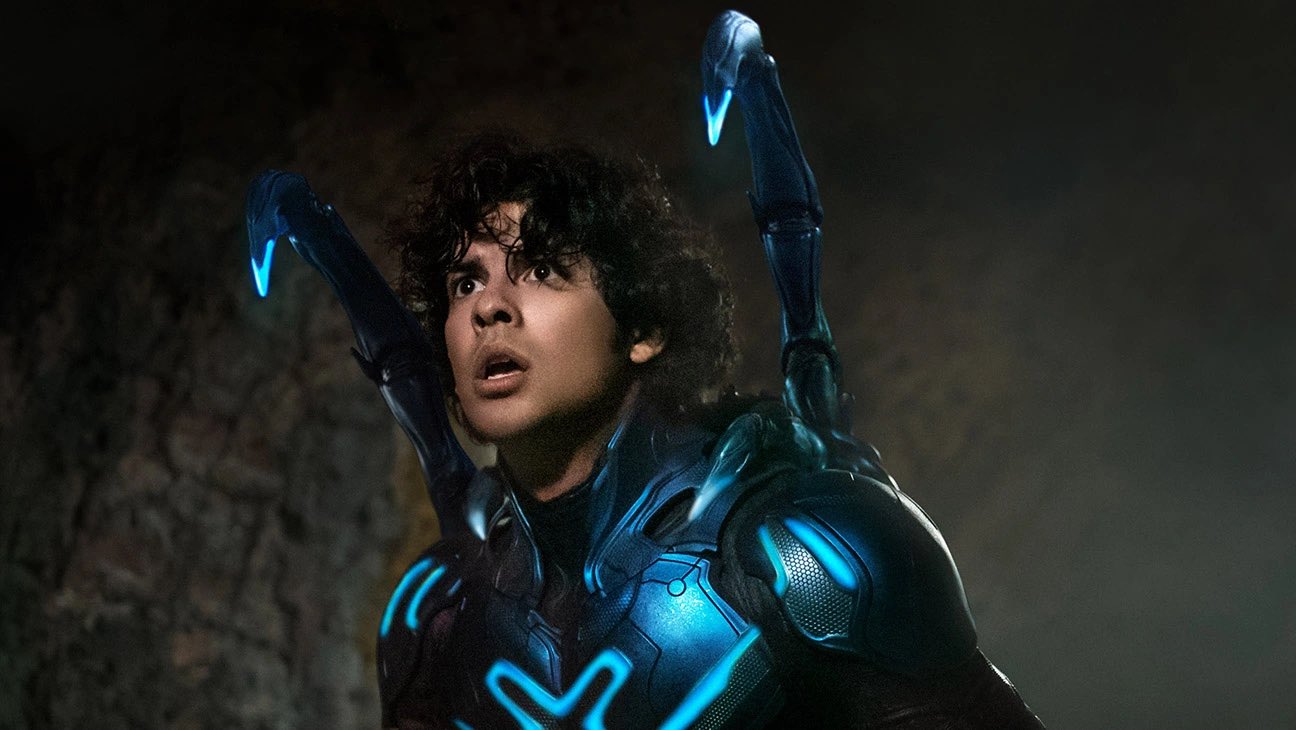
In the pages of DC Comics, there have been a few people to carry the mantle of the Blue Beetle, and they have mostly been portrayed as B-List characters, widespread among the more off-beat segment of comic readership but not much loved in the mainstream. This makes the character itself a gamble to bring to the big screen.
The movie, however, is a blast and a great introduction to the character for new fans and a fun treat for old-timers who have been around long enough to know a thing or two of the not-so-obscure-any-longer DC superhero.
The version in the movie is Jaime Reyes, a young fresh Latino college grad played by Xolo Maridueña. Maridueña plays the affable boy next door very well and can convincingly project the superheroic fish out of the water once he accidentally merges with the blue scarab to gain his powers.
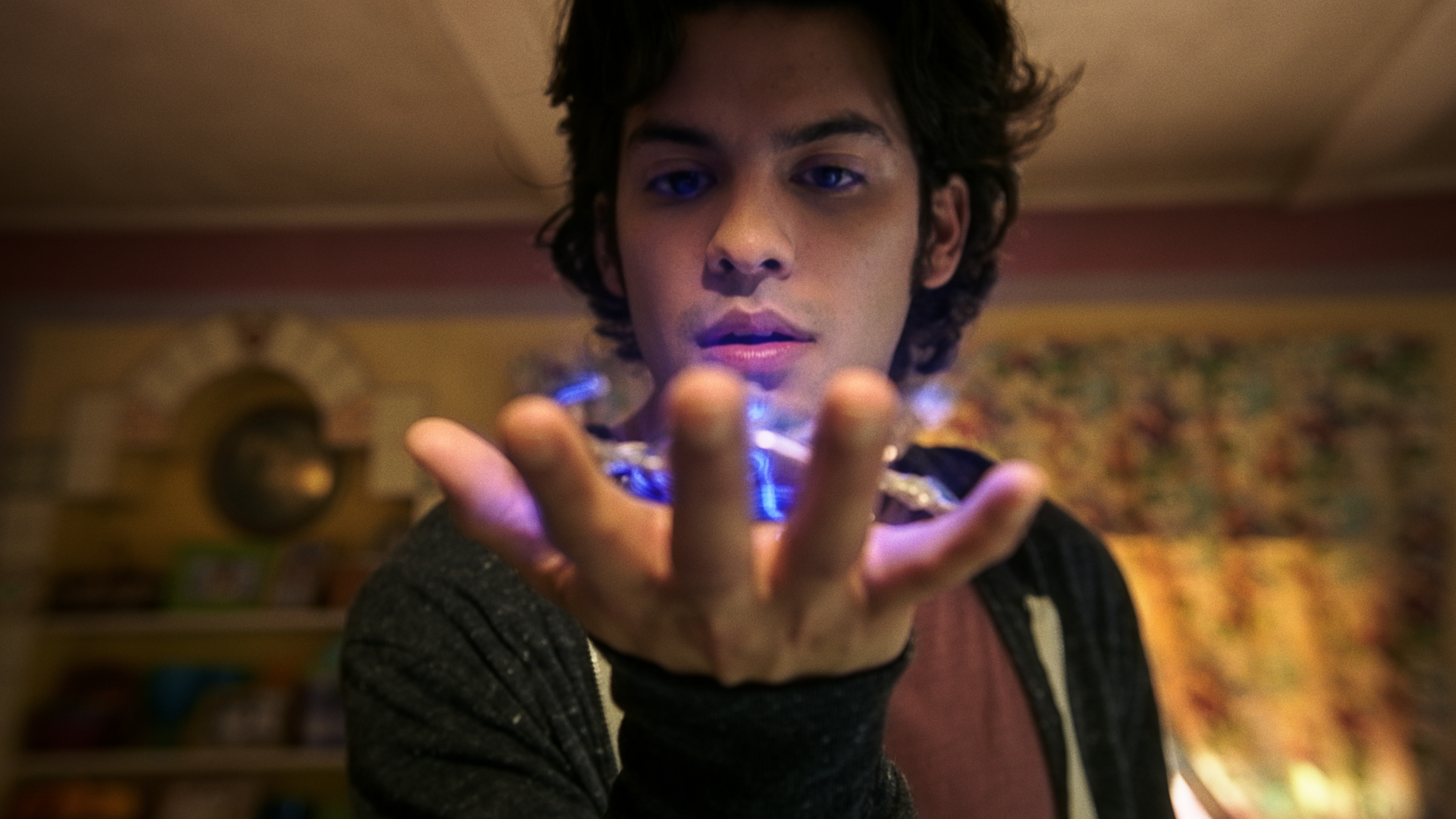
But even though Jaime is the focus, the writers were able to weave in some homages and mentions of the previous Blue Beetles from the comics, Dan Garret and Ted Kord, sure to draw some appreciative reactions from long-time comics fans.
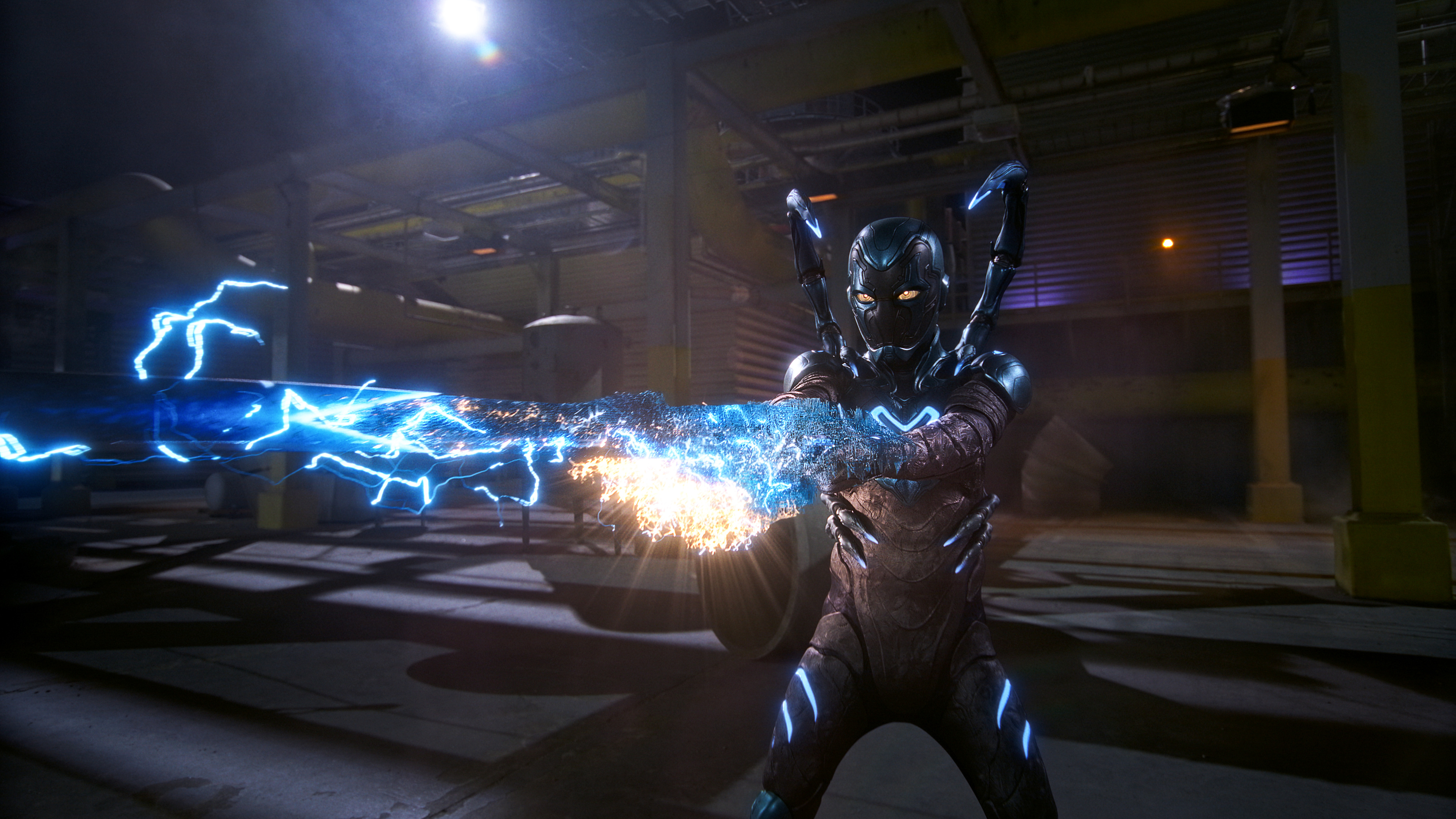
The source of his powers is the scarab, also known as Khaji-Da, expertly voiced for the Philippine release by local voice artist celebrity In a Magnaye. The scarab in question is pretty much the crux of the film, it is the mystery mcguffin that everyone wants but not everyone can have. There is a lot the movie does not explain about the scarab and its relationship with its host, Jaime, which may or may be the subject of a possible follow-up film, but it is certainly a tantalizing teaser for a sequel.
The film's lead character’s Hispanic background is more than mere set dressing, as it informs much of Jaime’s values, quirks, and decisions. He keeps correcting people in a short-lived running gag, saying his name is pronounced in the Spanish HI-MEH, not the Anglicized JAY-ME. In another gag, Susan Serandon’s character insists on calling a technician a common Hispanic name, Sanchez, even though he repeatedly says that’s not his last name.
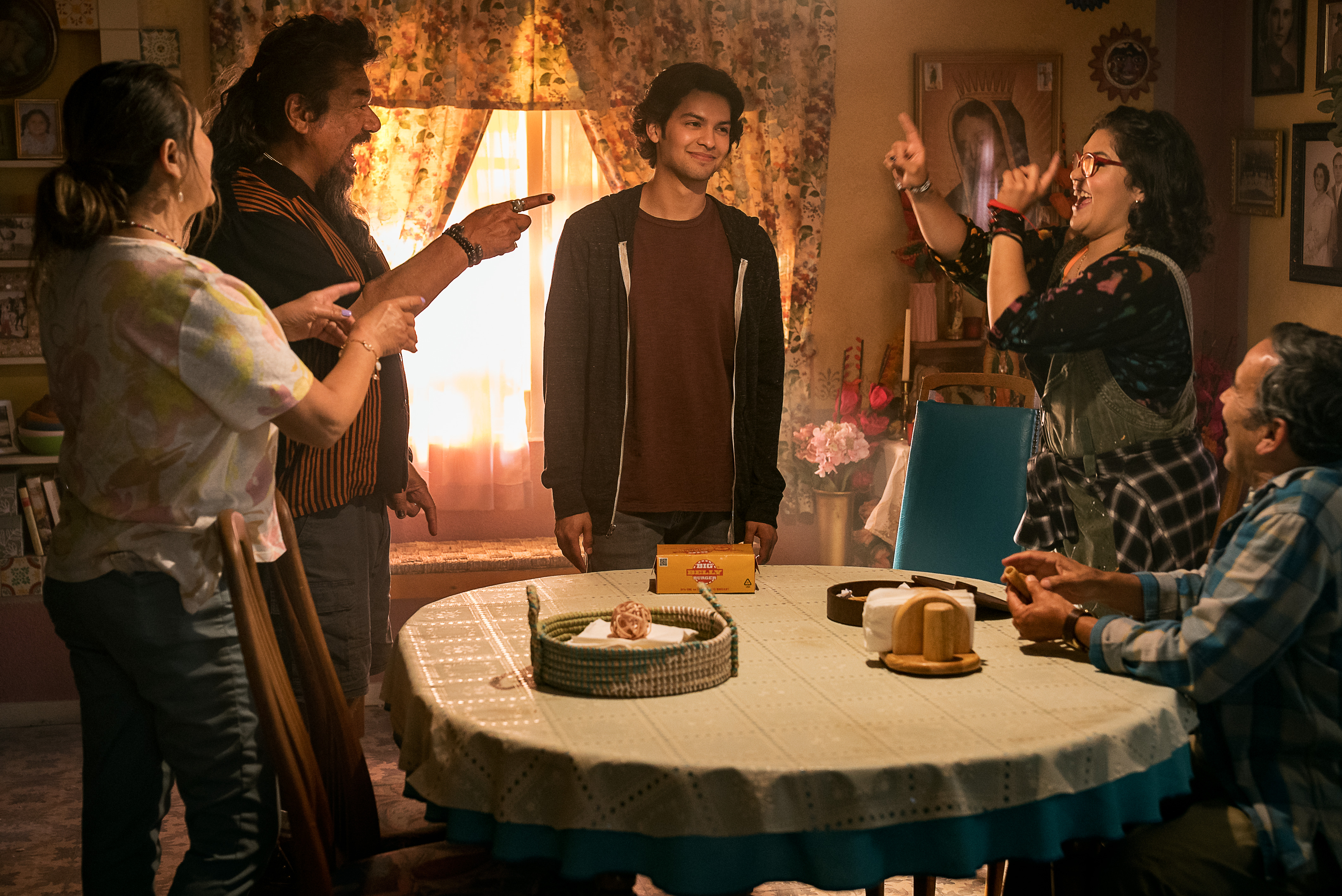
But the value placed on family bonds truly defines and drives Jaime’s actions. With the solid cultural similarities, Filipino audiences will surely see some of themselves or recognize someone they know in Jaime’s family.
The movie is in the fictional Palmera City, a more Manhattan-esque stand-in for the Florida Keys with palm trees, sky-scrappers, and beautiful coast. The look of the film leans heavily into a more 80’s aesthetic with the cyan plus magenta chrome lettering ala Prince’s 1984 film Purple Rain and some powerful Miami Vice vibes. It works well and succeeds in looking cool on screen and making Blue Beetle visually distinct from the other superhero films out there.
The movie takes the opportunity to comment on many economic issues, with the stark visual divide between the space-age towers of downtown Palmera and the much poorer neighborhood where the Reyes family resides. It often tilts to being a bit heavy-handed at times but doesn’t ruin the film experience.
Overall, Blue Beetle is a fun, entertaining one-off movie set in the more expansive DC comics universe, though which one is still unclear. When Jaime’s uncle calls Batman a fascist, is he talking about Affleck? Bale? Clooney? We’re not sure, but it doesn’t matter much, as the film can stand firmly on its own two feet. Be sure to stay till the end of the credits, as you will be rewarded for your patience with not one but two post-credit scenes!