







Teodoro inspects EDCA sites in N. Luzon


At A Glance
- Three Enhanced Defense Cooperation Agreement (EDCA) sites in Northern Luzon were visited by Department of National Defense (DND) Secretary Gilberto "Gibo" Teodoro Jr. on Tuesday, Aug. 15.
- The EDCA sites visited by Teodoro included a command and control (C2) fusion center, a warehouse, and the 5th Division Training School of the 5th Infantry Division (5ID) at Camp Melchor Dela Cruz in Gamu, Isabela.
- The visit reinforces the commitments made by the Philippines and US to bolster their defense cooperation and regional stability through the EDCA framework.
Three Enhanced Defense Cooperation Agreement (EDCA) sites in Northern Luzon were visited by Department of National Defense (DND) Secretary Gilberto “Gibo” Teodoro Jr. on Tuesday, Aug. 15, to personally witness the progress of the construction and upgrades of the said infrastructures.
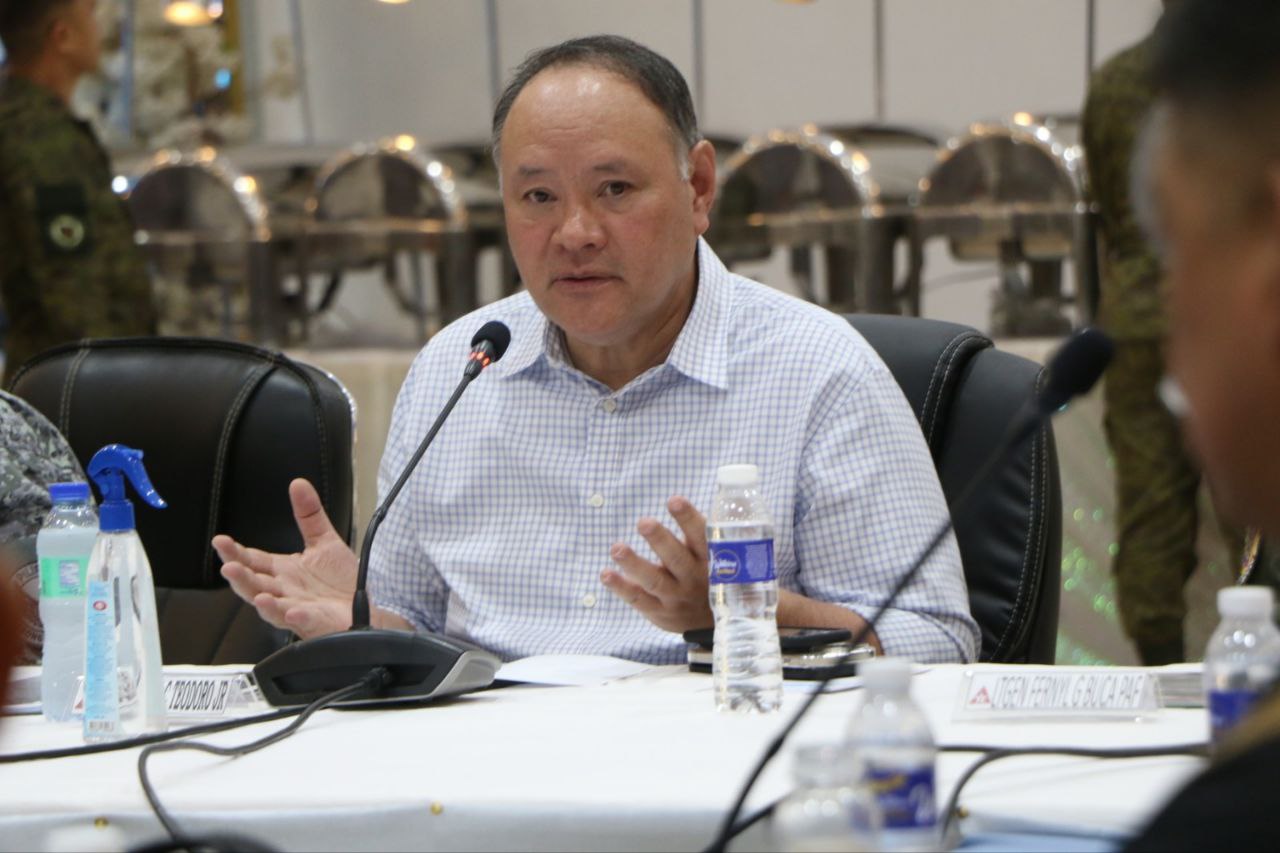
The EDCA sites visited by Teodoro included a command and control (C2) fusion center, a warehouse, and the 5th Division Training School of the 5th Infantry Division (5ID) at Camp Melchor Dela Cruz in Gamu, Isabela.
These structures were among the nine EDCA sites constructed and undergoing development by the Philippine and United States governments under a 2014 defense treaty.
The defense chief was accompanied by Armed Forces of the Philippines (AFP) Chief of Staff Gen. Romeo Brawner Jr. and Lt. Gen. Fernyl Buca, commander of Northern Luzon Command (NOLCOM).
“The successful completion of this visit reinforces the commitments made by both nations to bolster their defense cooperation and regional stability through the EDCA framework,” said Buca.
He added that EDCA plays a “key” role to the Philippines’ national interests “as it modernizes our alliance with the US, enhancing our disaster preparedness and response capabilities.”
“It strengthens our maritime domain awareness and security while providing basing for our current and future assets. The EDCA sites, plays a crucial role in facilitating joint operations during natural or man-made emergencies. The urgent need to fast-track the construction of facilities within the EDCA sites is in response to the exigencies of HADR [humanitarian assistance and disaster relief] requirements,” Buca continued.
Teodoro has been embarking on a series of visits to military bases and identified EDCA locations to interact with local officials and discuss matters related to security and collaboration between the local government and the defense sector.
The Philippines and US have identified and established a total of nine EDCA sites since the defense treaty was signed nine years ago.
These include the five original sites at the Antonio Bautista Air Base in Palawan, Basa Air Base in Pampanga, Fort Magsaysay in Nueva Ecija, Lumbia Air Base in Cagayan de Oro City, and Benito Ebuen Air Base in Cebu. Earlier this year, four additional locations were identified by the Philippines and US namely Lal-lo airport in Lal-lo, Cagayan; Naval Base Camilo Osias in Sta Ana, Cagayan; Camp Melchor Dela Cruz in Gamu, Isabela; and Balabac Island in Palawan.
Last Aug. 3, Teodoro, Brawner, and Buca supervised a joint HADR operations between Manila and Washington at an EDCA site in Lal-lo, Cagayan.