ADVERTISEMENT

BayaniChain sees wider adoption of digital assets as key to 'Future for All'

Published Aug 14, 2023 12:55 am

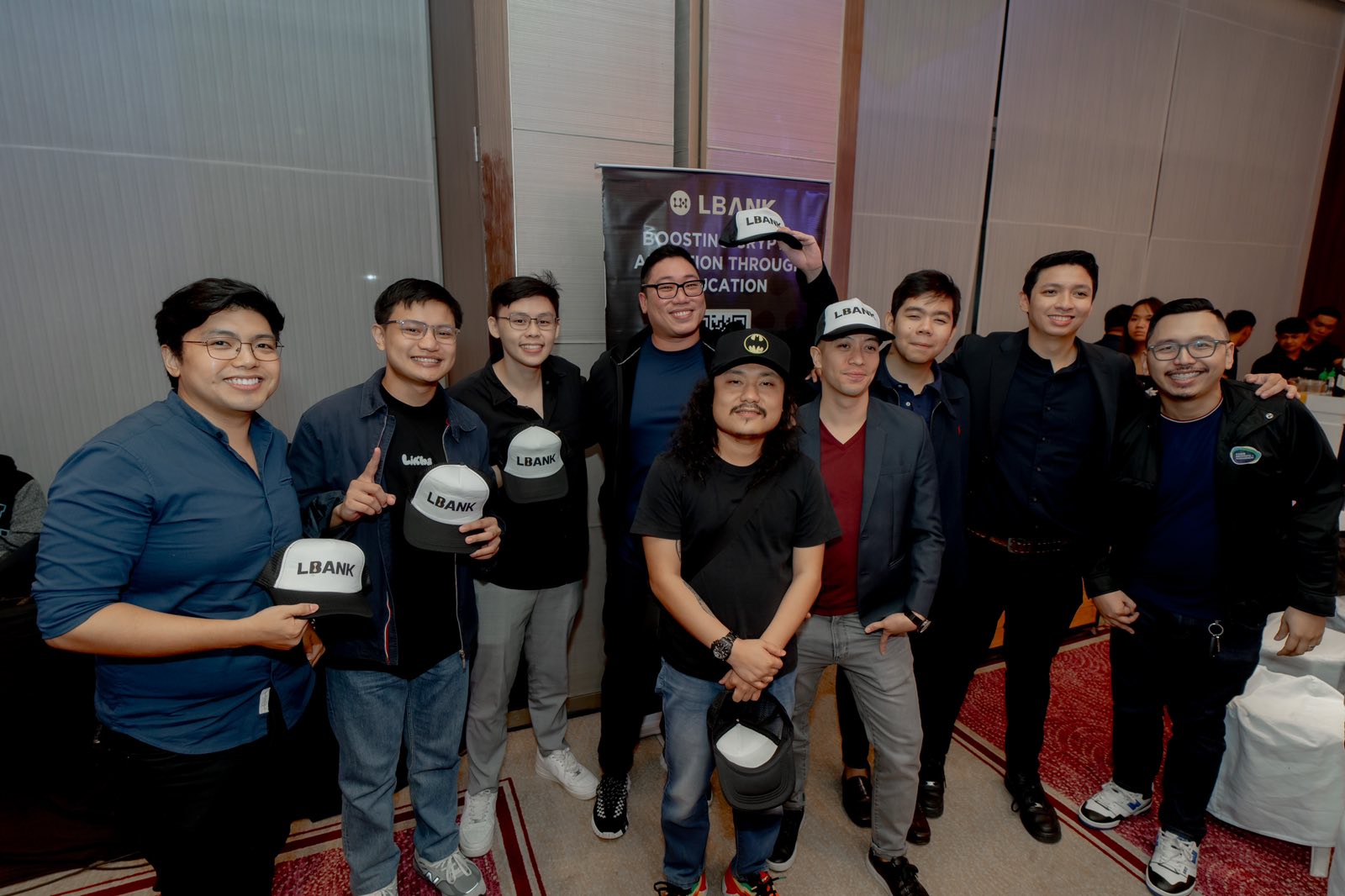
BYC at Lbank.jpg

BayaniChain, a homegrown tech venture firm, is advocating the use of digital assets, localized blockchain, and other Next-gen tech in a bid to solve repeated challenges and create a future that truly benefits everyone.

Speaking in a panel at the recent LBank and Friends Manila meet, BayaniChain CEO and Co-Founder Paul Soliman argued that the full potential of digital assets cannot sufficiently be explored unless widespread adoption is achieved.

He pointed out that one of the main hurdles of widespread adoption is that the majority of people do not have a decentralized account. This is a transaction account that allows users to access digital assets and engage in the blockchain network in the decentralized webspace.

“BayaniChain is honored to be part of this event, alongside brilliant and future-forward companies that share our mission of getting more people into Next-gen tech. The wider these new tools are used by real people, the better we are able to develop it and reap the benefits. While we push for practical use cases such as our app R-Wards that powered this event’s ticketing system, we’re also continuously working on ways to bridge the current web to the decentralized webspace as a way to show people that the future is now and the future is for all,” said Soliman.

He was talking about BridgePass, a tool that BayaniChain created to enable any user to access the decentralized webspace—without the technical complexity it involves—by using existing traditional web credentials such as a Google or Facebook account.

Also present in the event is R-Wards’ CEO Alvin Velasco. R-Wards, a decentralized loyalty program platform under BayaniChain, was created to enable businesses of all sizes to take advantage of tokenizing digital assets for better customer engagement. For instance, brands can create exclusive experiences for loyal patrons and even sell access to these experiences using digital assets as currency.

“Because blockchain is uniquely verifiable and transparent, as well as represents a secure digital ledger system, R-Wards can enable businesses to easily verify the authenticity of their customers’ loyalty and membership proofs in the form of digital tokens. With this app, brands and publishers can say goodbye to fraudulent coupons and forged gift cards while being able to offer fresh experiences that will keep customers coming back for more,” Velasco said.

The event was hosted by LBank, a top digital assets exchange platform, as part of a roadshow hosted in different cities around the world featuring prominent founders of tech companies and Next-gen webspace startups to share ideas and give attendees the opportunity to connect with like-minded individuals.

ADVERTISEMENT
.most-popular .layout-ratio{ padding-bottom: 79.13%; } @media (min-width: 768px) and (max-width: 1024px) { .widget-title { font-size: 15px !important; } }

{{ articles_filter_1561_widget.title }}

.most-popular .layout-ratio{ padding-bottom: 79.13%; } @media (min-width: 768px) and (max-width: 1024px) { .widget-title { font-size: 15px !important; } }

{{ articles_filter_1562_widget.title }}

.most-popular .layout-ratio{ padding-bottom: 79.13%; } @media (min-width: 768px) and (max-width: 1024px) { .widget-title { font-size: 15px !important; } }

{{ articles_filter_1563_widget.title }}

{{ articles_filter_1564_widget.title }}

.mb-article-details { position: relative; } .mb-article-details .article-body-preview, .mb-article-details .article-body-summary{ font-size: 17px; line-height: 30px; font-family: "Libre Caslon Text", serif; color: #000; } .mb-article-details .article-body-preview iframe , .mb-article-details .article-body-summary iframe{ width: 100%; margin: auto; } .read-more-background { background: linear-gradient(180deg, color(display-p3 1.000 1.000 1.000 / 0) 13.75%, color(display-p3 1.000 1.000 1.000 / 0.8) 30.79%, color(display-p3 1.000 1.000 1.000) 72.5%); position: absolute; height: 200px; width: 100%; bottom: 0; display: flex; justify-content: center; align-items: center; padding: 0; } .read-more-background a{ color: #000; } .read-more-btn { padding: 17px 45px; font-family: Inter; font-weight: 700; font-size: 18px; line-height: 16px; text-align: center; vertical-align: middle; border: 1px solid black; background-color: white; } .hidden { display: none; }
function initializeAllSwipers() { // Get all hidden inputs with cms_article_id document.querySelectorAll('[id^="cms_article_id_"]').forEach(function (input) { const cmsArticleId = input.value; const articleSelector = '#article-' + cmsArticleId + ' .body_images'; const swiperElement = document.querySelector(articleSelector); if (swiperElement && !swiperElement.classList.contains('swiper-initialized')) { new Swiper(articleSelector, { loop: true, pagination: false, navigation: { nextEl: '#article-' + cmsArticleId + ' .swiper-button-next', prevEl: '#article-' + cmsArticleId + ' .swiper-button-prev', }, }); } }); } setTimeout(initializeAllSwipers, 3000); const intersectionObserver = new IntersectionObserver( (entries) => { entries.forEach((entry) => { if (entry.isIntersecting) { const newUrl = entry.target.getAttribute("data-url"); if (newUrl) { history.pushState(null, null, newUrl); let article = entry.target; // Extract metadata const author = article.querySelector('.author-section').textContent.replace('By', '').trim(); const section = article.querySelector('.section-info ').textContent.replace(' ', ' '); const title = article.querySelector('.article-title h1').textContent; // Parse URL for Chartbeat path format const parsedUrl = new URL(newUrl, window.location.origin); const cleanUrl = parsedUrl.host + parsedUrl.pathname; // Update Chartbeat configuration if (typeof window._sf_async_config !== 'undefined') { window._sf_async_config.path = cleanUrl; window._sf_async_config.sections = section; window._sf_async_config.authors = author; } // Track virtual page view with Chartbeat if (typeof pSUPERFLY !== 'undefined' && typeof pSUPERFLY.virtualPage === 'function') { try { pSUPERFLY.virtualPage({ path: cleanUrl, title: title, sections: section, authors: author }); } catch (error) { console.error('ping error', error); } } // Optional: Update document title if (title && title !== document.title) { document.title = title; } } } }); }, { threshold: 0.1 } ); function showArticleBody(button) { const article = button.closest("article"); const summary = article.querySelector(".article-body-summary"); const body = article.querySelector(".article-body-preview"); const readMoreSection = article.querySelector(".read-more-background"); // Hide summary and read-more section summary.style.display = "none"; readMoreSection.style.display = "none"; // Show the full article body body.classList.remove("hidden"); } document.addEventListener("DOMContentLoaded", () => { let loadCount = 0; // Track how many times articles are loaded const offset = [1, 2, 3, 4, 5, 6, 7, 8, 9, 10]; // Offset values const currentUrl = window.location.pathname.substring(1); let isLoading = false; // Prevent multiple calls if (!currentUrl) { console.log("Current URL is invalid."); return; } const sentinel = document.getElementById("load-more-sentinel"); if (!sentinel) { console.log("Sentinel element not found."); return; } function isSentinelVisible() { const rect = sentinel.getBoundingClientRect(); return ( rect.top < window.innerHeight && rect.bottom >= 0 ); } function onScroll() { if (isLoading) return; if (isSentinelVisible()) { if (loadCount >= offset.length) { console.log("Maximum load attempts reached."); window.removeEventListener("scroll", onScroll); return; } isLoading = true; const currentOffset = offset[loadCount]; window.loadMoreItems().then(() => { let article = document.querySelector('#widget_1690 > div:nth-last-of-type(2) article'); intersectionObserver.observe(article) loadCount++; }).catch(error => { console.error("Error loading more items:", error); }).finally(() => { isLoading = false; }); } } window.addEventListener("scroll", onScroll); });

Sign up by email to receive news.