






 Philippines
National
300 persons flee homes as 'habagat' rains inundate Zamboanga City
Philippines
National
300 persons flee homes as 'habagat' rains inundate Zamboanga City
300 persons flee homes as 'habagat' rains inundate Zamboanga City


At A Glance
- A total of 60 families composed of 300 individuals were displaced by flashfloods in Zamboanga City on Saturday morning, August 12.
- Intense habagat rains were experienced in the low-lying barangays of Tumaga, San Jose Gusu, San Roque, Cabatangan, Putik, and Mampang in Zamboanga City around 7 a.m which resulted to flashfloods.
- The regional DRRM office in Zamboanga Peninsula (Region 9) distributed food packs, water, and other relief assistance to the affected individuals in coordination with the Department of Social Welfare and Development (DSWD).
A total of 60 families composed of 300 individuals were displaced by flashfloods in Zamboanga City on Saturday morning, August 12, after heavy rains were experienced in the area due to the prevailing effects of the southwest monsoon (habagat).
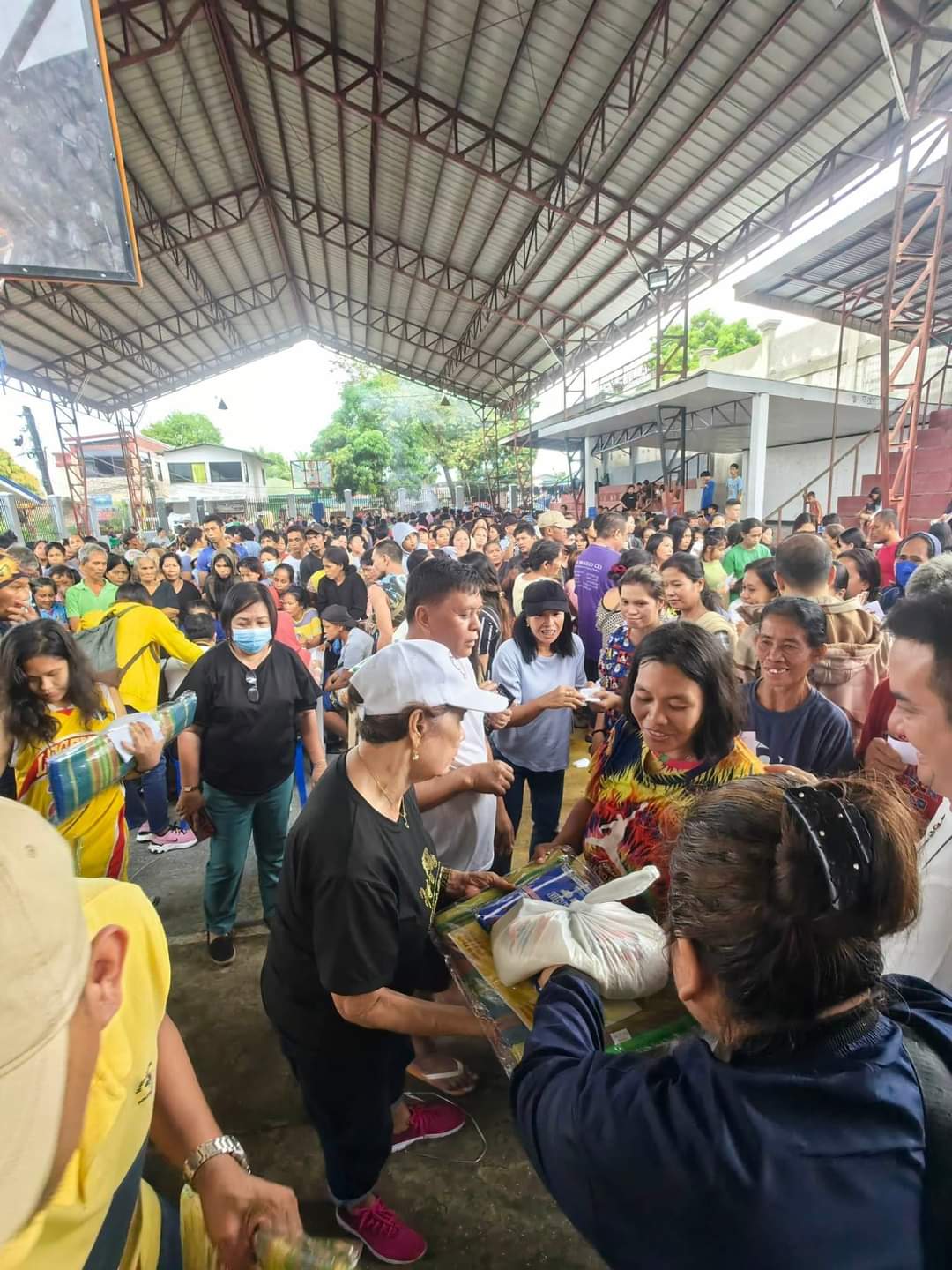
A situational report from the National Disaster Risk Reduction and Management Council (NDRRMC) showed that intense habagat rains hit the low-lying barangays of Tumaga, San Jose Gusu, San Roque, Cabatangan, Putik, and Mampang in Zamboanga City around 7 a.m which resulted to flashfloods.
The evacuees were brought to a temporary shelter in Brgy. San Jose Gusu.
The regional DRRM office in Zamboanga Peninsula (Region 9) said food packs, water, and other relief assistance were distributed to the affected individuals by the City Social Welfare and Development Office (CSWDO).
Following the destruction caused by Super Typhoon Egay and Typhoon Falcon last month, bad weather continued to affect some parts of the country due to the effects of habagat.
According to the Philippine Atmospheric, Geophysical and Astronomical Services Administration (PAGASA), about two to three typhoons may hit the country this month which will be named “Goring, Hanna, and Ineng”.
These typhoons may enhance the effects of habagat so the NDRRMC reminded the public to be updated with the latest weather report, adhere to directives from local government officials if there is a need for an evacuation, and prepare their emergency bags which could contain food, water, clothes, and other basic necessities.