






 Philippines
National
Food inflation linked to rising hunger among Pinoys, says solon
Philippines
National
Food inflation linked to rising hunger among Pinoys, says solon
Food inflation linked to rising hunger among Pinoys, says solon


At A Glance
- AGRI Party-list Rep. Wilbert T. Lee is calling on the government to do everything it can to address food inflation amid rising hunger in the Philippines.
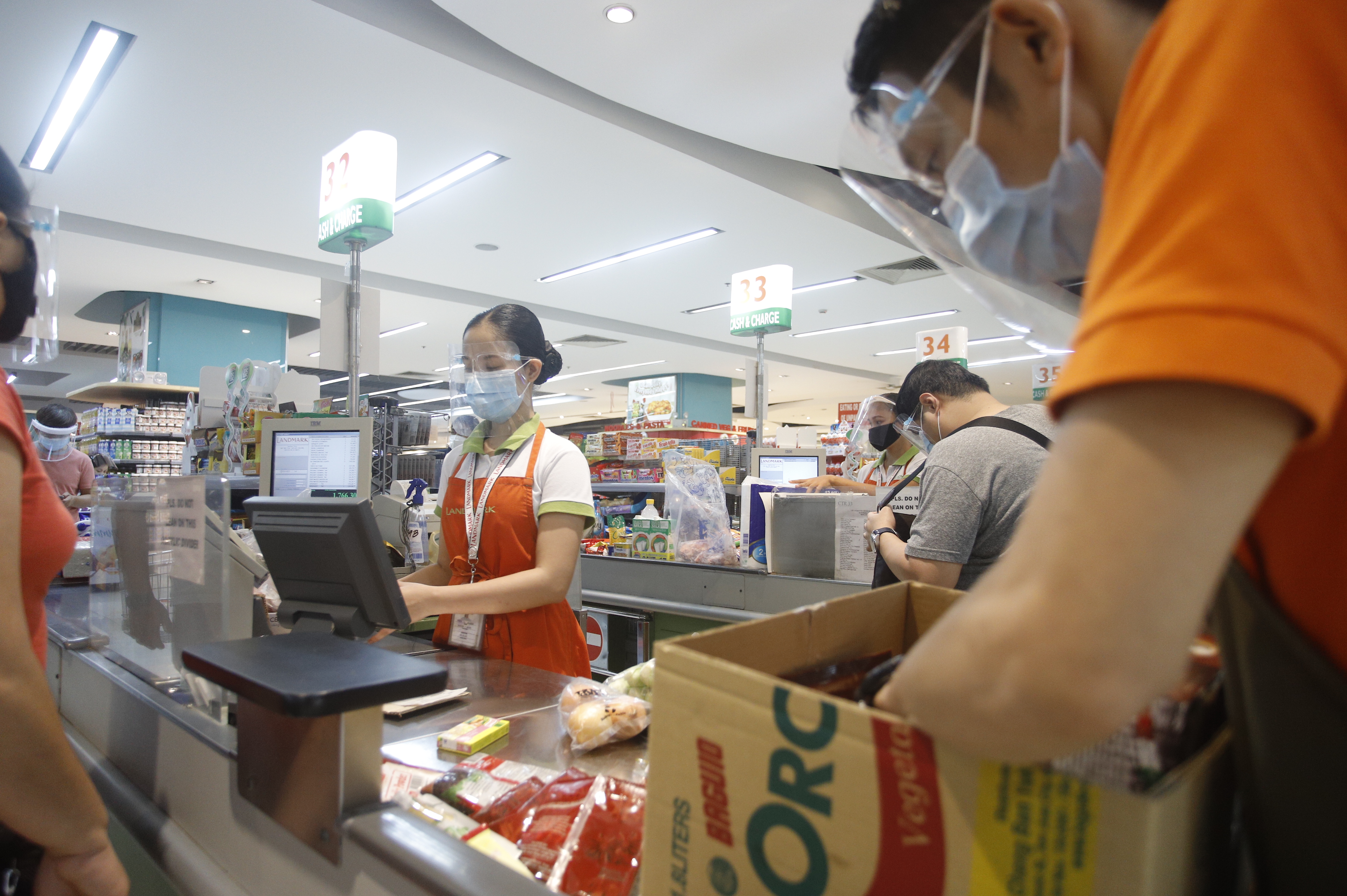
(MANILA BULLETIN)
A neophyte congressman is calling on the government to do everything it can to address food inflation amid rising hunger in the Philippines.
"Hindi po nakapagtataka na mas maraming mga kababayan natin ang nagugutom dahil patuloy pa rin ang pagtaas ng presyo ng pagkain (It is not surprising that more of our countrymen are experiencing hunger because food prices continue to go up)," AGRI Party-list Rep. Wilbert T. Lee said.
The latest Social Weather Stations (SWS) survey results showed that 10.4 percent of Filipino families experienced involuntary hunger, up from the previous 9.8 percent in March. SWS defines involuntary hunger as being hungry and not having anything to eat.
The independent pollster said the 10.4 percent hunger rate in June 2023 was the sum of 2.1 percent who experienced severe hunger and 8.3 percent who experienced moderate hunger.
Lee had earlier said the government must aggressively address factors contributing to food inflation or else it won't be able to hit its 2.9 percent inflation target in 2024.
The Bicolano lawmaker noted that food and non-alcoholic beverages were the biggest contributors to the 5.4 percent inflation rate in June.
"Food and non-alcoholic beverages contributed almost half, or 47.3 percent, to inflation. While the downward trend of overall inflation was primarily influenced by the slower increases in food and non-alcoholic beverages at 6.7 percent in June 2023, down from 7.4 percent in the previous month, we should be concerned that in terms of food groups, the inflation rates of rice and vegetables continue to rise," he said.
Lee urged the government to immediately add more Kadiwa centers to make affordable food accessible to more consumers.
However, he stressed that policy changes need to be institutionalized to increase agricultural productivity and lower rice and vegetable prices.
"Kailangan natin ng mga permanenteng solusyon para mapababa ang presyo ng pagkain katulad ng karagdagang post-harvest facilities at mga batas na magpapadali at magpapabilis sa transportasyon ng mga produktong agrikultural mula sakahan hanggang hapag-kainan," he said.
(We need permanent solutions in order to pull down food prices, like additional post-harvest facilities and laws that will hasten the delivery of agricultural products from the fields to the dining table.)