






 Philippines
National
Romualdez eyes evaluation policy to help PH attain 2030 Sustainable Development Goals
Philippines
National
Romualdez eyes evaluation policy to help PH attain 2030 Sustainable Development Goals
Romualdez eyes evaluation policy to help PH attain 2030 Sustainable Development Goals


At A Glance
- House Speaker Martin Romualdez has trumpeted before the 4th Asia-Pacific Evaluation Association conference the Philippine lawmakers' commitment to enact a National Evaluation Policy (NEP).
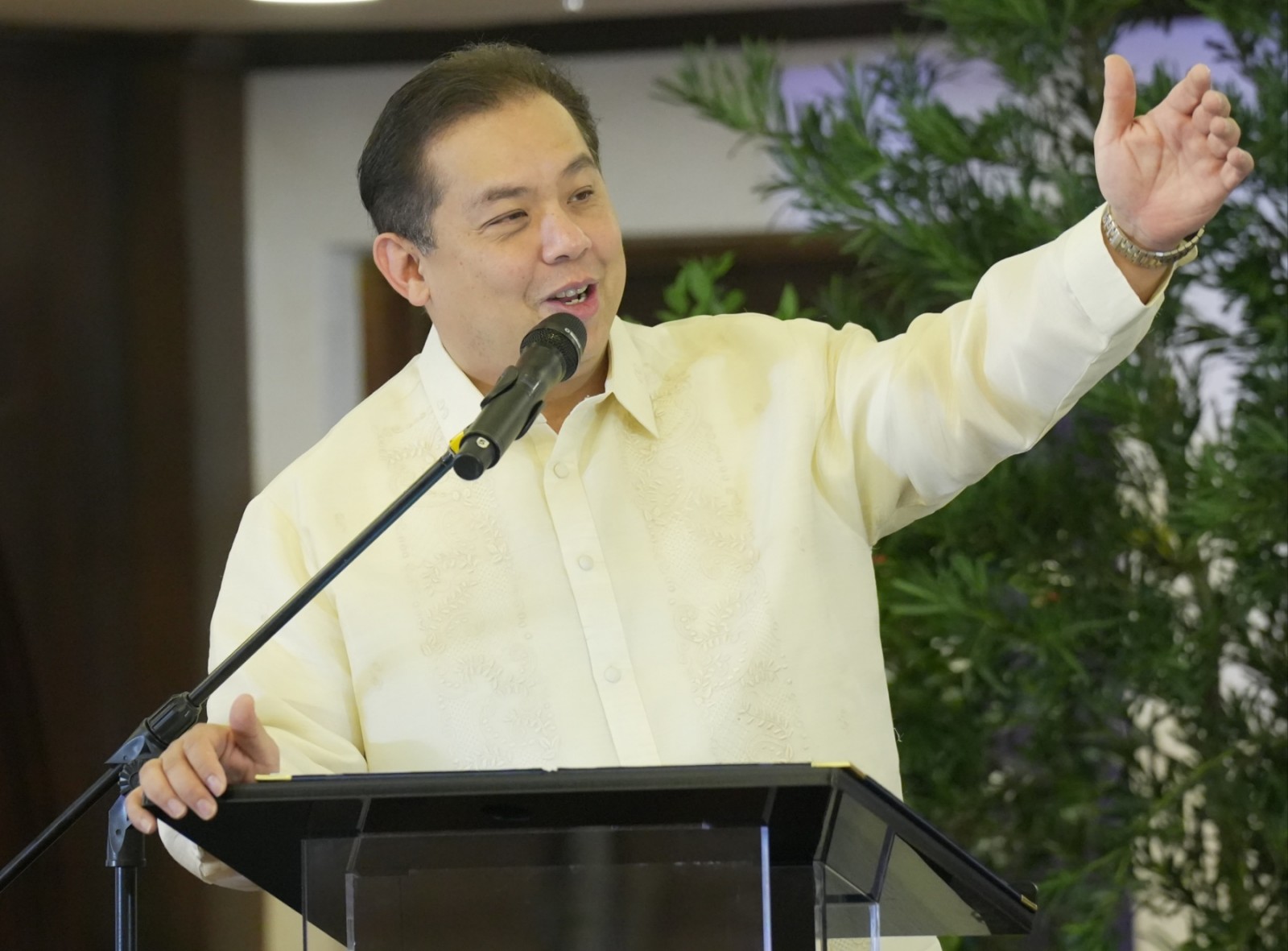 House Speaker Martin Romualdez (Speaker’s office)
House Speaker Martin Romualdez has trumpeted before the 4th Asia-Pacific Evaluation Association conference the Philippine lawmakers' commitment to enact a National Evaluation Policy (NEP).
This move is seen to help the country achieve the United Nations (UN) 2030 Sustainable Development Goals (SDGs), principally to reduce poverty.
“The House leadership is fully committed to the aspirations of the 4th APEA Conference to institutionalize evidence-based decision-making for national development and the SDGs,” Romualdez told participants on Thursday, Dec. 7.
“This policy is a testament to our commitment to improving governance quality and promoting efficiency in our bureaucratic processes,” he said.
He informed the conference that the House has proposed to include NEP as a “key legislative measure” to be prioritized by the Legislative-Executive Development Advisory Council (LEDAC).
“The enactment of this policy will strengthen our legal and institutional framework for conducting regular evaluations of government interventions, fostering a culture of evaluation in the public sector,” the leader of the 300-plus-strong House of Representatives said.
He said the strategy was in line with the country’s international commitments to the UN on strengthening national evaluation capacity, serving as a key strategy to achieve the SDGs.
“Effective monitoring and evaluation are at the heart of good governance. They allow us to gauge the impact of our policies, learn from our successes and failures, and make informed decisions. In the Philippines, we are integrating monitoring and evaluation into our governance processes, ensuring that our interventions are not just well-intentioned but well-informed and effective,” he explained.
Speaker Romualdez said the pursuit of the SDGs “is fraught with complexities".
“The 2023 United Nations SDG Report paints a sobering picture of our global community grappling with poverty, hunger, and climate change. The Covid-19 pandemic, in tandem with ongoing armed conflicts and climate crises, has not only stalled but in many cases reversed our progress. As we witness learning losses, rising poverty, and growing inequality, it is a clarion call to reinvigorate our efforts,” he said.
He said 2030 “is not just a date but a deadline--a that challenges us to act swiftly and strategically, despite the fiscal constraints shadowing many nations, including ours".
“This urgency demands innovative solutions, leveraging every resource available to ensure that our progress is not only regained but accelerated. In this global endeavor, the role of national parliaments is paramount. Our responsibilities extend beyond legislation and budget adoption; we are the custodians of accountability and progress,” he added.
He pointed out that parliaments around the world have successfully influenced policy and implementation of the SDGs--from legislating on environmental protection in the European Union to budgeting for education reforms in African nations.
“The path to achieving the SDGs is one we must walk together. Governments, civil societies, international agencies – we all have a role to play. In the Philippines, we seek to foster a synergistic relationship with all stakeholders, leveraging each other’s strengths for the greater good,” the Speaker told 4th APEA conference participants.
Romualdez further called on “our global partners to join us in this endeavor".
“Your expertise, your experiences, and your support are invaluable in this journey. Together, we can create a future where sustainable development is not a goal but a reality,” he said.