

ADVERTISEMENT

Rizal's life in exile

How Dr. José Rizal spent his days in Dapitan City

Published Dec 30, 2023 02:23 am

At A Glance

  • I rise early in the morning, at five, visit my plants, feed the chickens, awaken my people, and prepare our breakfast. At half past seven, we eat our breakfast, which consists of tea, bread, cheese, sweets, and other things. — Dr. José Rizal
6.jpg
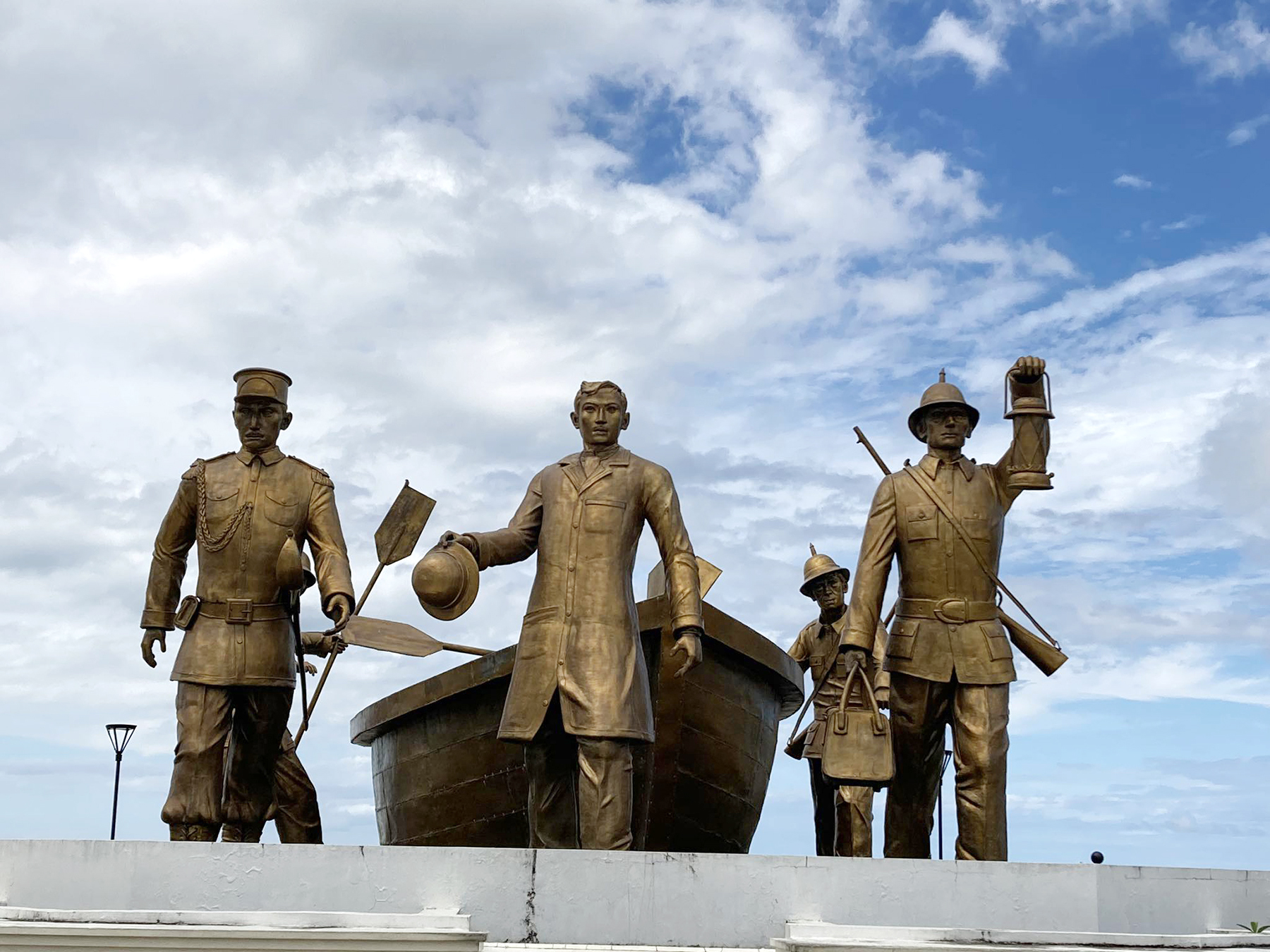
EXILED TO ISOLATION Hoping to silence Rizal, the Spanish Government had Rizal exiled to the isolated City of Dapitan in 1892

In fear of Dr. José Rizal’s growing influence among the people due to his calls for social reform, the Spanish colonial government hoped to extinguish Rizal’s reach by sending him off to the City of Dapitan in Zamboanga del Norte, Mindanao. He arrived via boat on July 17, 1892. Ever the optimist, rather than lamenting his newfound fate, Rizal put his time in exile to good use by helping improve the isolated city.

Using his share of winnings from a lottery ticket, Rizal bought a plot of land in Talisay, a seaside barangay in Dapitan. There, he lived a simple life, using his time to tend to his farm, treat his patients, teach children, read, and write. He detailed how his morning starts in a letter to his dear friend, Ferdinand Blumentritt, “I rise early in the morning, at five, visit my plants, feed the chickens, awaken my people, and prepare our breakfast. At half past seven, we eat our breakfast, which consists of tea, bread, cheese, sweets, and other things.”
1.jpg
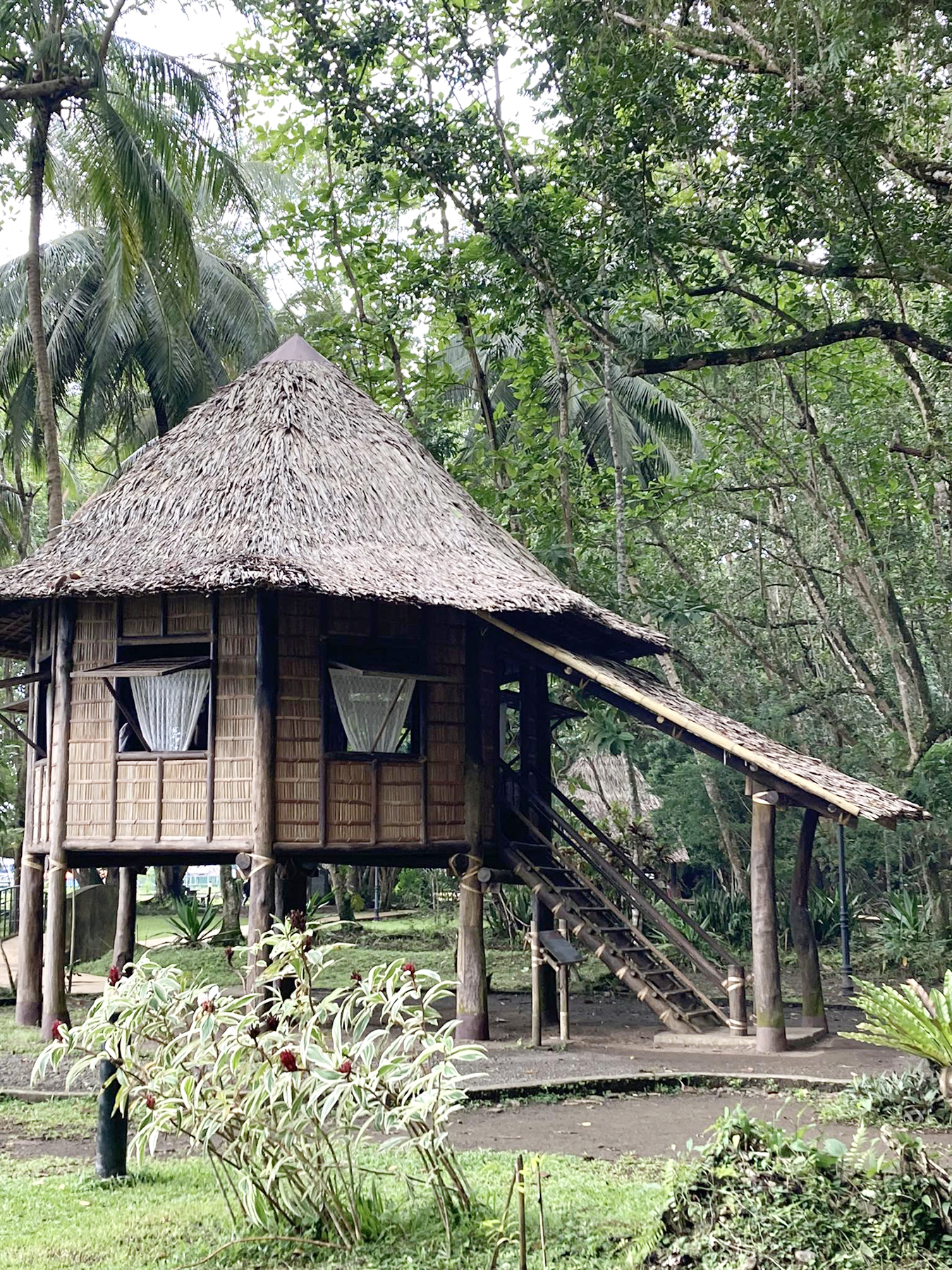
MI CASA, SU CASA Although now only a replica of Casa Redonda, this octagonal hut served as Rizal’s clinic for treating patients and a dormitory for his young pupils

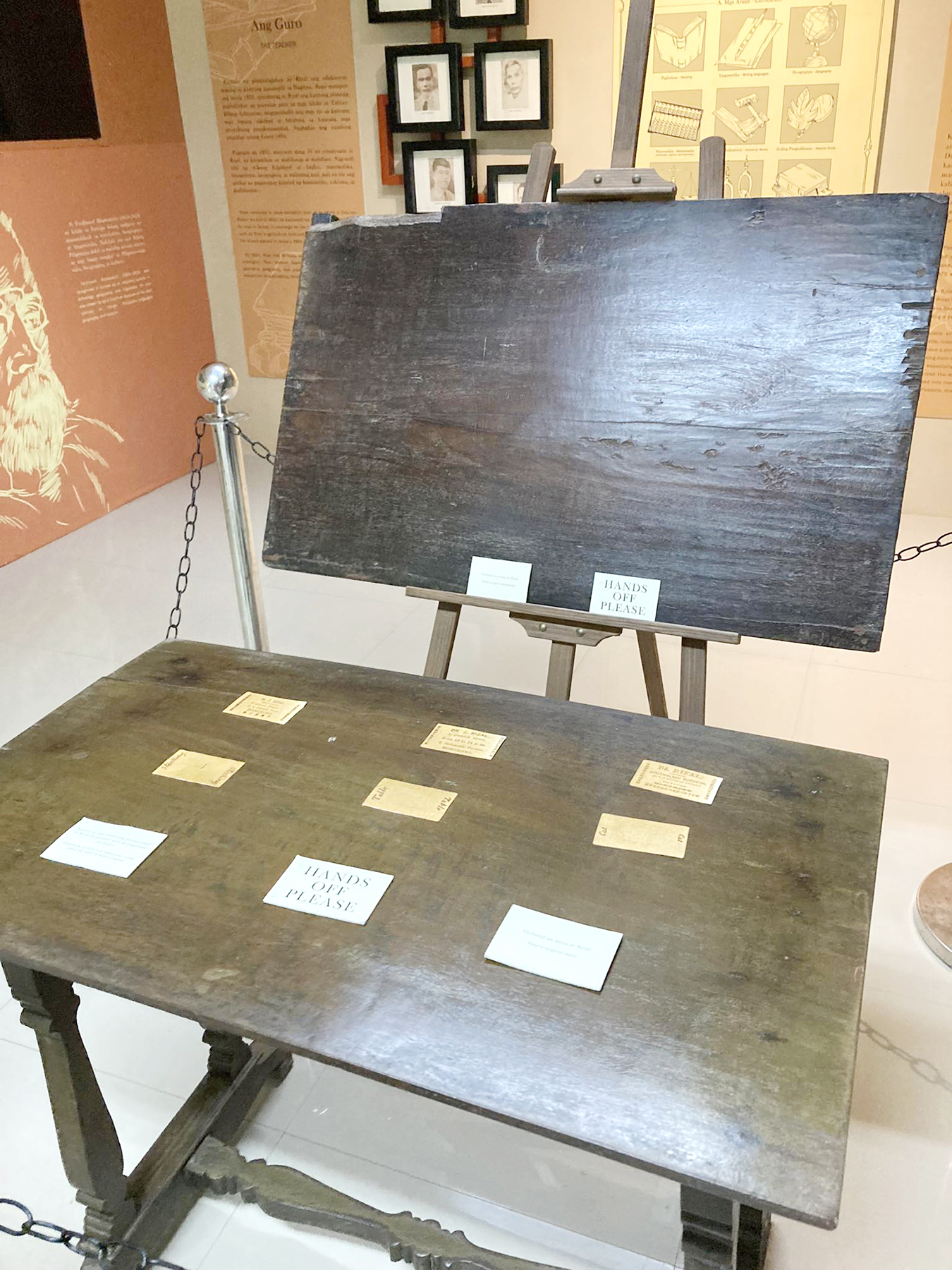
As relaxing as his letter made it out to be, Rizal was a busy man, always on the move to try and improve things for Dapitan. Hoping to pass on his extensive knowledge, Rizal started a school to provide basic education to young children. As most of his students came from further provinces, he took them in as boarders and let them stay in two dormitories on his farmland—Casa Redonda and Casa Cuadrada. In exchange for their schooling, the students assisted Rizal in his chores and farming. 
5.jpg
SHARER OF KNOWLEDGE Rizal’s tools in teaching, a table and blackboard, were used in his makeshift school in Dapitan

Curious as ever, Rizal spent a lot of his time exploring the nature of Dapitan. Collecting various seashells and butterflies, he amassed a wide collection of wildlife during his stay. This curiosity led him to discover four new species—a tree frog, a flying lizard, and two beetles. Using some knowledge of engineering, Rizal also managed to create an irrigation system to bring water from surrounding springs and rivers to the farmlands. 
3.jpg
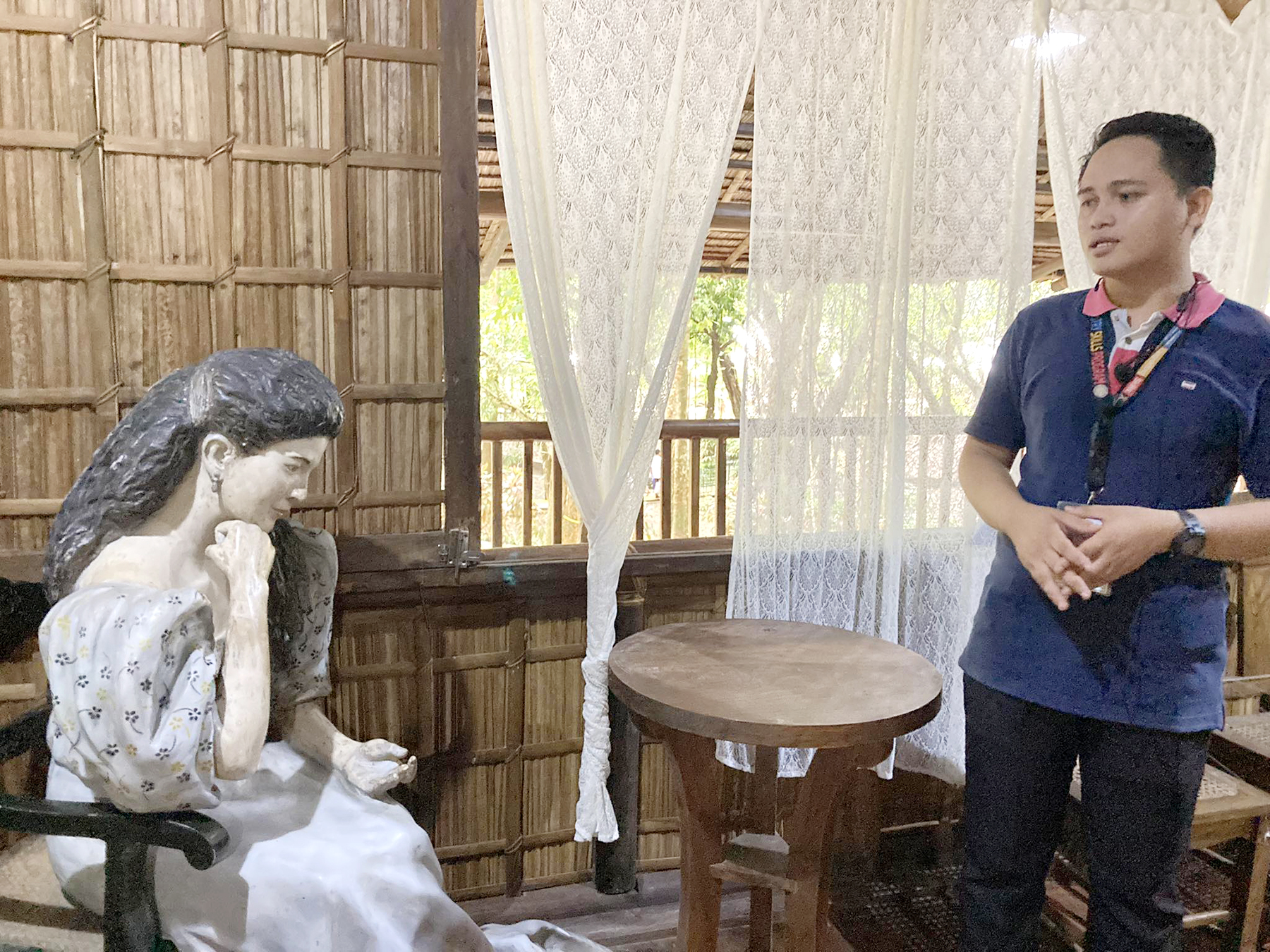
HIS FINAL LOVE Josephine Bracken, an Irish national, won the heart of Rizal and went on to be his wife

Dapitan also served as a place where Rizal found true love. It was here that he met Josephine Bracken, an Irish woman born in Hong Kong. Their paths crossed due to many speaking highly of Rizal’s skills as an ophthalmologist in Hong Kong. Hoping to have George Taufer, her adoptive father, undergo treatment for his double cataracts, they headed for Dapitan. While Rizal realized there was nothing he could do for Taufer, he found that he had fallen for Bracken. The two were said to spend their days sitting with a view of the sea on a heart-shaped rock, referred to as Mi Retiro Rock, after the series of poems Rizal supposedly wrote on the rock. After only a few months, Rizal hoped to make it official by marrying Bracken.
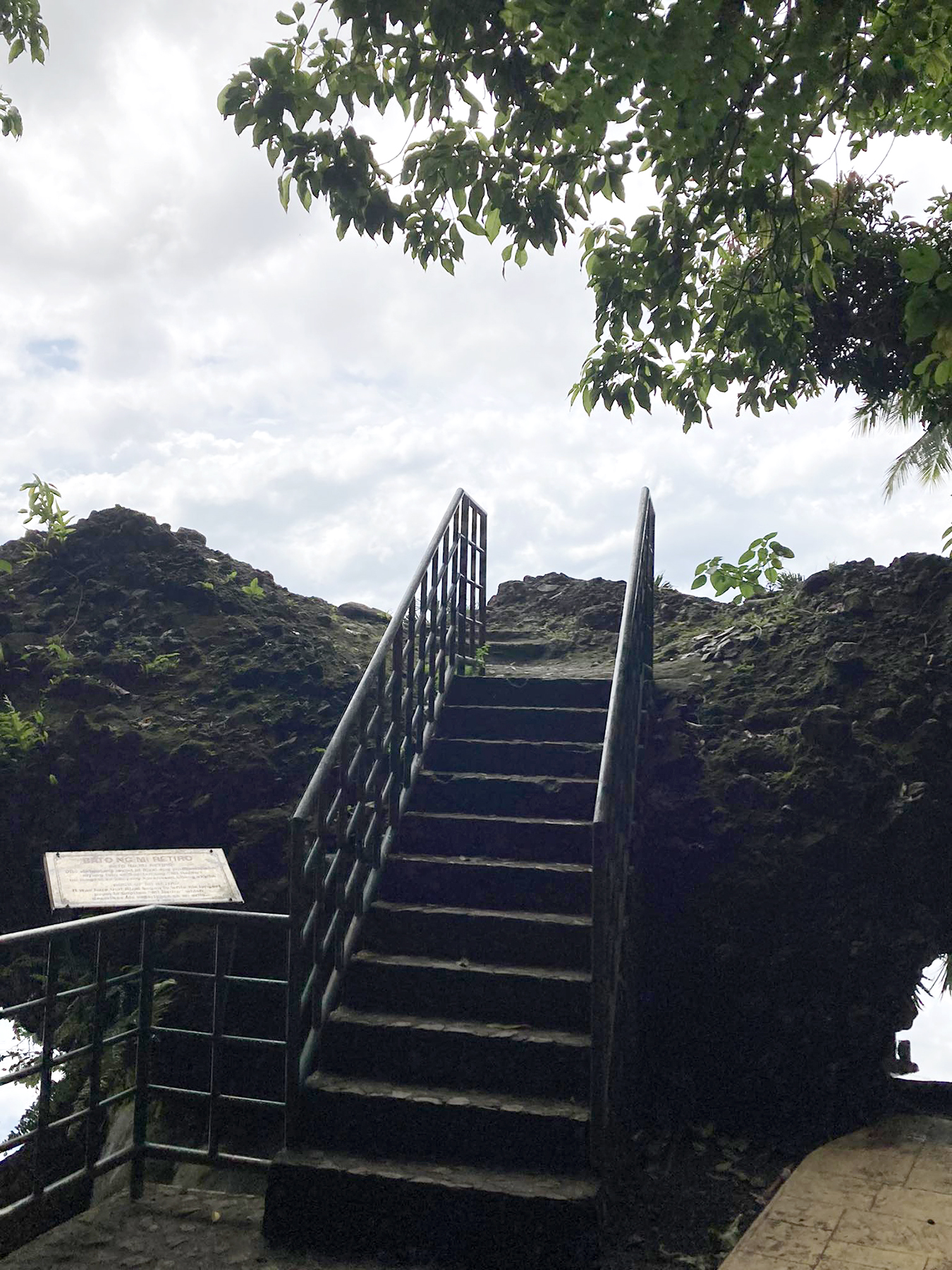
4.jpg
ROCK HARD LOVE Bracken and Rizal supposedly shared many romantic moments on the heart-shaped rock referred to as Mi Retiro Rock

Unfortunately, with Rizal being excommunicated from the Catholic Church for joining the Masons, he was unable to marry Bracken in a traditional sense. Instead, they would exchange their vows in a common-law marriage. It’s later claimed that the two would get a proper marriage before his execution, but much of its validity is still debated among historians. Perhaps the most tragic part of their romance is the death of Rizal and Bracken’s would-be son after a premature birth. 

Rizal’s four years in Dapitan would come to an end after the hero hoped to embark on a journey to Cuba to serve as a voluntary military doctor in Cuba. Sadly, he would never make it to Cuba after the Spanish government had him arrested mid-travel and sent back home for sentencing. His properties in Dapitan were confiscated by the government. 

Today, Rizal’s life lives on as we dedicate Dec. 30, the date of his execution at Bagumbayan, to commemorate his lifelong achievements.

On this special day, may we learn to live by his example, serving as a man for others and always hoping to improve the lives of our countrymen. 

Related Tags

Manila Bulletin Lifestyle Poch Eulalia Dr. Jose Rizal Dapitan City
ADVERTISEMENT
.most-popular .layout-ratio{ padding-bottom: 79.13%; } @media (min-width: 768px) and (max-width: 1024px) { .widget-title { font-size: 15px !important; } }

{{ articles_filter_1561_widget.title }}

.most-popular .layout-ratio{ padding-bottom: 79.13%; } @media (min-width: 768px) and (max-width: 1024px) { .widget-title { font-size: 15px !important; } }

{{ articles_filter_1562_widget.title }}

.most-popular .layout-ratio{ padding-bottom: 79.13%; } @media (min-width: 768px) and (max-width: 1024px) { .widget-title { font-size: 15px !important; } }

{{ articles_filter_1563_widget.title }}

{{ articles_filter_1564_widget.title }}

.mb-article-details { position: relative; } .mb-article-details .article-body-preview, .mb-article-details .article-body-summary{ font-size: 17px; line-height: 30px; font-family: "Libre Caslon Text", serif; color: #000; } .mb-article-details .article-body-preview iframe , .mb-article-details .article-body-summary iframe{ width: 100%; margin: auto; } .read-more-background { background: linear-gradient(180deg, color(display-p3 1.000 1.000 1.000 / 0) 13.75%, color(display-p3 1.000 1.000 1.000 / 0.8) 30.79%, color(display-p3 1.000 1.000 1.000) 72.5%); position: absolute; height: 200px; width: 100%; bottom: 0; display: flex; justify-content: center; align-items: center; padding: 0; } .read-more-background a{ color: #000; } .read-more-btn { padding: 17px 45px; font-family: Inter; font-weight: 700; font-size: 18px; line-height: 16px; text-align: center; vertical-align: middle; border: 1px solid black; background-color: white; } .hidden { display: none; }
function initializeAllSwipers() { // Get all hidden inputs with cms_article_id document.querySelectorAll('[id^="cms_article_id_"]').forEach(function (input) { const cmsArticleId = input.value; const articleSelector = '#article-' + cmsArticleId + ' .body_images'; const swiperElement = document.querySelector(articleSelector); if (swiperElement && !swiperElement.classList.contains('swiper-initialized')) { new Swiper(articleSelector, { loop: true, pagination: false, navigation: { nextEl: '#article-' + cmsArticleId + ' .swiper-button-next', prevEl: '#article-' + cmsArticleId + ' .swiper-button-prev', }, }); } }); } setTimeout(initializeAllSwipers, 3000); const intersectionObserver = new IntersectionObserver( (entries) => { entries.forEach((entry) => { if (entry.isIntersecting) { const newUrl = entry.target.getAttribute("data-url"); if (newUrl) { history.pushState(null, null, newUrl); let article = entry.target; // Extract metadata const author = article.querySelector('.author-section').textContent.replace('By', '').trim(); const section = article.querySelector('.section-info ').textContent.replace(' ', ' '); const title = article.querySelector('.article-title h1').textContent; // Parse URL for Chartbeat path format const parsedUrl = new URL(newUrl, window.location.origin); const cleanUrl = parsedUrl.host + parsedUrl.pathname; // Update Chartbeat configuration if (typeof window._sf_async_config !== 'undefined') { window._sf_async_config.path = cleanUrl; window._sf_async_config.sections = section; window._sf_async_config.authors = author; } // Track virtual page view with Chartbeat if (typeof pSUPERFLY !== 'undefined' && typeof pSUPERFLY.virtualPage === 'function') { try { pSUPERFLY.virtualPage({ path: cleanUrl, title: title, sections: section, authors: author }); } catch (error) { console.error('ping error', error); } } // Optional: Update document title if (title && title !== document.title) { document.title = title; } } } }); }, { threshold: 0.1 } ); function showArticleBody(button) { const article = button.closest("article"); const summary = article.querySelector(".article-body-summary"); const body = article.querySelector(".article-body-preview"); const readMoreSection = article.querySelector(".read-more-background"); // Hide summary and read-more section summary.style.display = "none"; readMoreSection.style.display = "none"; // Show the full article body body.classList.remove("hidden"); } document.addEventListener("DOMContentLoaded", () => { let loadCount = 0; // Track how many times articles are loaded const offset = [1, 2, 3, 4, 5, 6, 7, 8, 9, 10]; // Offset values const currentUrl = window.location.pathname.substring(1); let isLoading = false; // Prevent multiple calls if (!currentUrl) { console.log("Current URL is invalid."); return; } const sentinel = document.getElementById("load-more-sentinel"); if (!sentinel) { console.log("Sentinel element not found."); return; } function isSentinelVisible() { const rect = sentinel.getBoundingClientRect(); return ( rect.top < window.innerHeight && rect.bottom >= 0 ); } function onScroll() { if (isLoading) return; if (isSentinelVisible()) { if (loadCount >= offset.length) { console.log("Maximum load attempts reached."); window.removeEventListener("scroll", onScroll); return; } isLoading = true; const currentOffset = offset[loadCount]; window.loadMoreItems().then(() => { let article = document.querySelector('#widget_1690 > div:nth-last-of-type(2) article'); intersectionObserver.observe(article) loadCount++; }).catch(error => { console.error("Error loading more items:", error); }).finally(() => { isLoading = false; }); } } window.addEventListener("scroll", onScroll); });

Sign up by email to receive news.