

ADVERTISEMENT

Newport City eyes to reduce wastes sent to landfills by 90% with 'Goal Zero Waste Program'

Backed by Pasay City LGU and integrated into Megaworld's own sustainability initiative, the program aims to cut township's residual wastes by 650,000 kilos annually

Published Dec 3, 2023 07:02 pm

Newport City, property giant Megaworld’s 25-hectare township in Pasay, is aiming to significantly reduce the total volume of its wastes hauled to landfills by as much as 90 percent by next year as it partners with the Pasay City LGU for its latest sustainability initiative.

Dubbed “Goal Zero Waste Management Program,” the initiative forms part of Megaworld’s own MEGreen Sustainability Program and centers on promoting proper waste segregation at source, particularly residual wastes generated across the entire Newport City.

“Aiming for zero waste in Newport City is a very important achievement that we are eyeing to fulfill in the future. We thank the City of Pasay, led by Hon. Mayor Imelda Calixto-Rubiano for their continuing support for this sustainability initiative. We hope that we all continue to strive to help create a healthier and more sustainable future for more Filipinos, something that we at Megaworld eyes to achieve through our MEGreen program,” said Don Earl Caagbay, head of Estate Management Group, Megaworld.
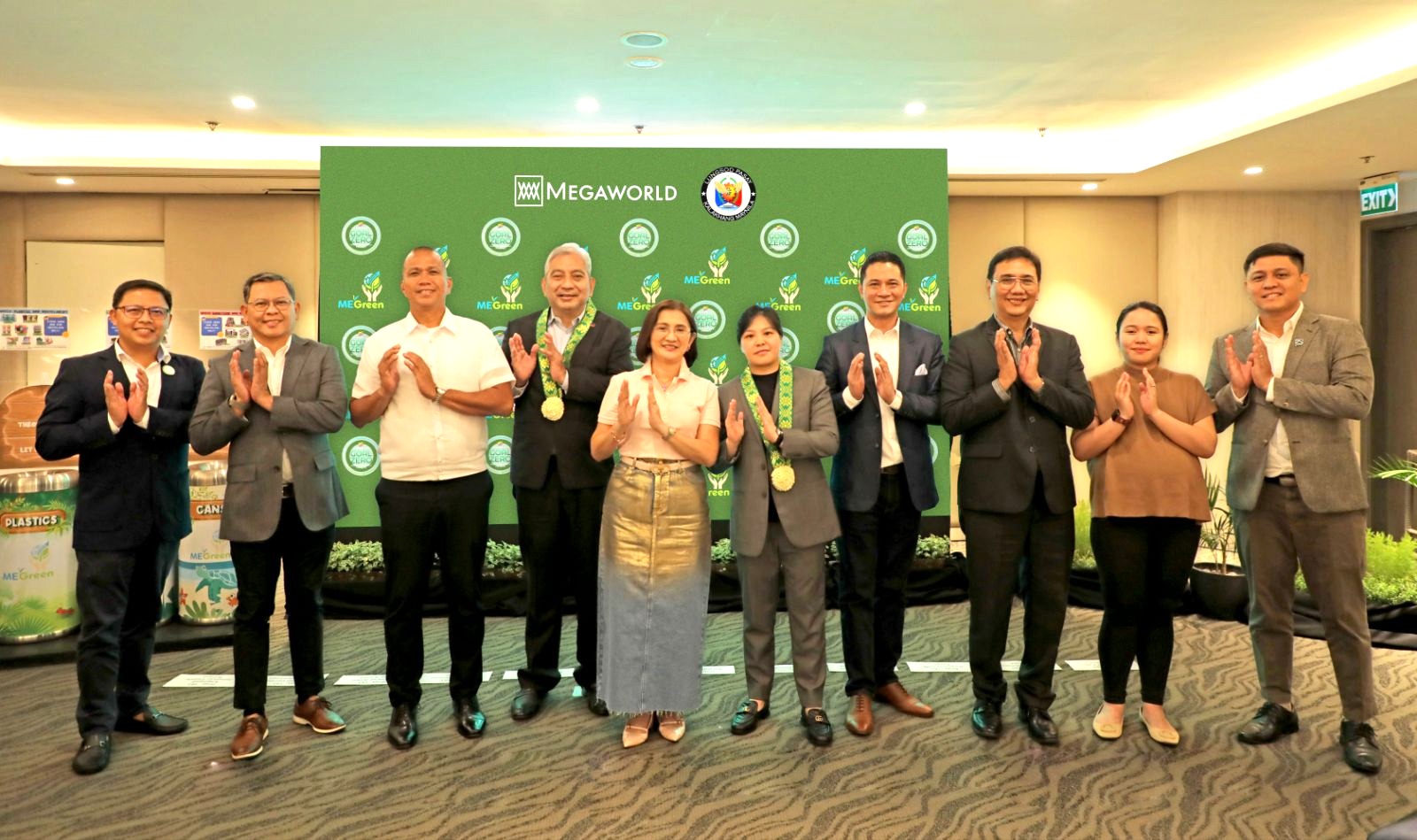
image (51).jpg
City of Pasay Mayor Imelda Calixto-Rubiano (fifth from left) was the guest during the launch of Newport City's zero-waste initiative.

According to its latest gathered data, Newport City generates the biggest volume of waste among all of Megaworld’s existing townships in the country. This is mainly because of the composition and occupancy of the township as Newport City is made up of residential condominium developments, the biggest local and international hotels, office buildings, and commercial developments from Newport World Resorts, not to mention that it is also situated just across Terminal 3 of the Ninoy Aquino International Airport (NAIA).

Under the said initiative, Megaworld has identified and appointed several pilot locators representing each of the major types of establishments inside Newport City. These locators underwent a detailed baselining evaluation to assess their current waste management practices. From this evaluation, the best practices identified will be implemented across all properties under each of the corresponding segments, while opportunities for improvements were also addressed for proper implementation.

Megaworld has also put in place a monitoring system to regularly check how every locator is performing and to get a closer look at the progress of the program. In turn, the data generated will be used to analyze the effectiveness of the program and to make science-based decisions to further improve the process, if needed.

Earlier this year, Megaworld began initial runs of the Goal Zero Waste Management Program in Newport City and discovered that through proper segregation, the pilot locators were able to reduce their residual wastes by 70 to 80 percent.

“Efficient waste management is just one of the many things we intend to achieve under our MEGreen program. On this front, we aim to hit 90 percent reduction of all residual wastes in Newport City by 2024, which will eventually pave the way for us to attain the True Zero Waste Certification by 2025,” added Caagbay.

Proper and efficient waste management has always been one of the major sustainability challenges that every country around the world faces. Even the most developed nations tackle this head-on, so just imagine the magnitude of this problem for someone with an emerging economy like the Philippines.

According to the United Nations Development Program (UNDP), the Philippines currently ranks as the third biggest ocean plastic waste polluter globally. Studies reveal that about 2.7 million tons of plastic is generated every year here in the country, of which about 500,000 tons end up in the world’s seas and oceans.

Related Tags

MBEnvironment Newport City MBSustainability Megaworld
ADVERTISEMENT
.most-popular .layout-ratio{ padding-bottom: 79.13%; } @media (min-width: 768px) and (max-width: 1024px) { .widget-title { font-size: 15px !important; } }

{{ articles_filter_1561_widget.title }}

.most-popular .layout-ratio{ padding-bottom: 79.13%; } @media (min-width: 768px) and (max-width: 1024px) { .widget-title { font-size: 15px !important; } }

{{ articles_filter_1562_widget.title }}

.most-popular .layout-ratio{ padding-bottom: 79.13%; } @media (min-width: 768px) and (max-width: 1024px) { .widget-title { font-size: 15px !important; } }

{{ articles_filter_1563_widget.title }}

{{ articles_filter_1564_widget.title }}

.mb-article-details { position: relative; } .mb-article-details .article-body-preview, .mb-article-details .article-body-summary{ font-size: 17px; line-height: 30px; font-family: "Libre Caslon Text", serif; color: #000; } .mb-article-details .article-body-preview iframe , .mb-article-details .article-body-summary iframe{ width: 100%; margin: auto; } .read-more-background { background: linear-gradient(180deg, color(display-p3 1.000 1.000 1.000 / 0) 13.75%, color(display-p3 1.000 1.000 1.000 / 0.8) 30.79%, color(display-p3 1.000 1.000 1.000) 72.5%); position: absolute; height: 200px; width: 100%; bottom: 0; display: flex; justify-content: center; align-items: center; padding: 0; } .read-more-background a{ color: #000; } .read-more-btn { padding: 17px 45px; font-family: Inter; font-weight: 700; font-size: 18px; line-height: 16px; text-align: center; vertical-align: middle; border: 1px solid black; background-color: white; } .hidden { display: none; }
function initializeAllSwipers() { // Get all hidden inputs with cms_article_id document.querySelectorAll('[id^="cms_article_id_"]').forEach(function (input) { const cmsArticleId = input.value; const articleSelector = '#article-' + cmsArticleId + ' .body_images'; const swiperElement = document.querySelector(articleSelector); if (swiperElement && !swiperElement.classList.contains('swiper-initialized')) { new Swiper(articleSelector, { loop: true, pagination: false, navigation: { nextEl: '#article-' + cmsArticleId + ' .swiper-button-next', prevEl: '#article-' + cmsArticleId + ' .swiper-button-prev', }, }); } }); } setTimeout(initializeAllSwipers, 3000); const intersectionObserver = new IntersectionObserver( (entries) => { entries.forEach((entry) => { if (entry.isIntersecting) { const newUrl = entry.target.getAttribute("data-url"); if (newUrl) { history.pushState(null, null, newUrl); let article = entry.target; // Extract metadata const author = article.querySelector('.author-section').textContent.replace('By', '').trim(); const section = article.querySelector('.section-info ').textContent.replace(' ', ' '); const title = article.querySelector('.article-title h1').textContent; // Parse URL for Chartbeat path format const parsedUrl = new URL(newUrl, window.location.origin); const cleanUrl = parsedUrl.host + parsedUrl.pathname; // Update Chartbeat configuration if (typeof window._sf_async_config !== 'undefined') { window._sf_async_config.path = cleanUrl; window._sf_async_config.sections = section; window._sf_async_config.authors = author; } // Track virtual page view with Chartbeat if (typeof pSUPERFLY !== 'undefined' && typeof pSUPERFLY.virtualPage === 'function') { try { pSUPERFLY.virtualPage({ path: cleanUrl, title: title, sections: section, authors: author }); } catch (error) { console.error('ping error', error); } } // Optional: Update document title if (title && title !== document.title) { document.title = title; } } } }); }, { threshold: 0.1 } ); function showArticleBody(button) { const article = button.closest("article"); const summary = article.querySelector(".article-body-summary"); const body = article.querySelector(".article-body-preview"); const readMoreSection = article.querySelector(".read-more-background"); // Hide summary and read-more section summary.style.display = "none"; readMoreSection.style.display = "none"; // Show the full article body body.classList.remove("hidden"); } document.addEventListener("DOMContentLoaded", () => { let loadCount = 0; // Track how many times articles are loaded const offset = [1, 2, 3, 4, 5, 6, 7, 8, 9, 10]; // Offset values const currentUrl = window.location.pathname.substring(1); let isLoading = false; // Prevent multiple calls if (!currentUrl) { console.log("Current URL is invalid."); return; } const sentinel = document.getElementById("load-more-sentinel"); if (!sentinel) { console.log("Sentinel element not found."); return; } function isSentinelVisible() { const rect = sentinel.getBoundingClientRect(); return ( rect.top < window.innerHeight && rect.bottom >= 0 ); } function onScroll() { if (isLoading) return; if (isSentinelVisible()) { if (loadCount >= offset.length) { console.log("Maximum load attempts reached."); window.removeEventListener("scroll", onScroll); return; } isLoading = true; const currentOffset = offset[loadCount]; window.loadMoreItems().then(() => { let article = document.querySelector('#widget_1690 > div:nth-last-of-type(2) article'); intersectionObserver.observe(article) loadCount++; }).catch(error => { console.error("Error loading more items:", error); }).finally(() => { isLoading = false; }); } } window.addEventListener("scroll", onScroll); });

Sign up by email to receive news.