

ADVERTISEMENT

Game on: Retiree in Batangas fulfills childhood dream to manage a game farm

Published Dec 28, 2023 08:44 am

By BENJAMIN SARONDO

Cesar Yuchongco, 69, owner of Isabel Game Farm, first became interested in chickens when he was a little kid. His family had a cockpit in Albay, Bicol, and he grew up watching the game and witnessed how the trainers prepared their roosters.
1.jpg
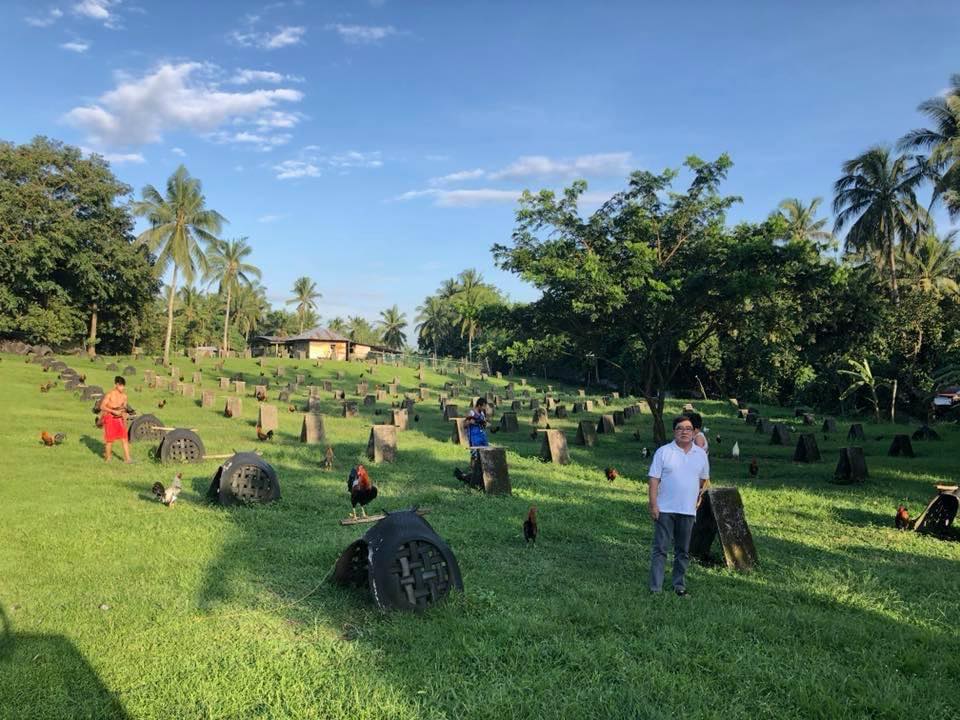
Cesar Yuchongco is the owner of Isabel Game Farm. He has 300 chickens right now available in various breeds on his four-hectare farm located in San Jose, Batangas. (Cesar Yuchongco)

“It sparked my interest and inspired me to start my own farm when I was able to,” Cesar says.

He has 300 chickens right now on his four-hectare farm located in San Jose, Batangas. These are available in various breeds: melsim hatch, local banded, battle cross gilliam, pure black melsim, and among others. Most of his chickens, Julius says, are conditioned to fight. 

What Julius considers as his signature breed is the sweater. His customers, however, are more attracted to chickens that win in derbies or cockfights. “My customers are satisfied and fulfilled when they find out that the chickens they will purchase [could] win derbies,” he explains. “This builds a good relationship between us and our customers.”

That is why he makes sure that Isabel Game Farm maintains a good image and status in derbies. This helps his farm gain recognition and be trusted, which peaks the interest of potential buyers.

5.jpg
Cesar makes sure that Isabel Game Farm maintains a good image and status in derbies, gaining recognition that helps attract potential buyers. (Cesar Yuchongco)

Cesar says that it has been his passion since he was young to start a game farm, and in 1996, he was able to fulfill his dream. In 2003–2004, he then established Isabel Game Farm with his goals of having a good fighting chicken, producing high quality chickens, and being a champion in cockfights.

Still fighting to learn

Cesar admits that he does not have a background in chicken farming. What he knows now, he learned on his own. To have some semblance of formal training, he attended seminars about breeding and conditioning fighting chickens to increase his knowledge and become updated with the latest news in the industry.

After gaining sufficient knowledge about chicken farming, Cesar made sure that the area where he would establish the chicken farm was a good place for breeding and conditioning. The farm must have access to water, power, and other necessities for chicken farming.

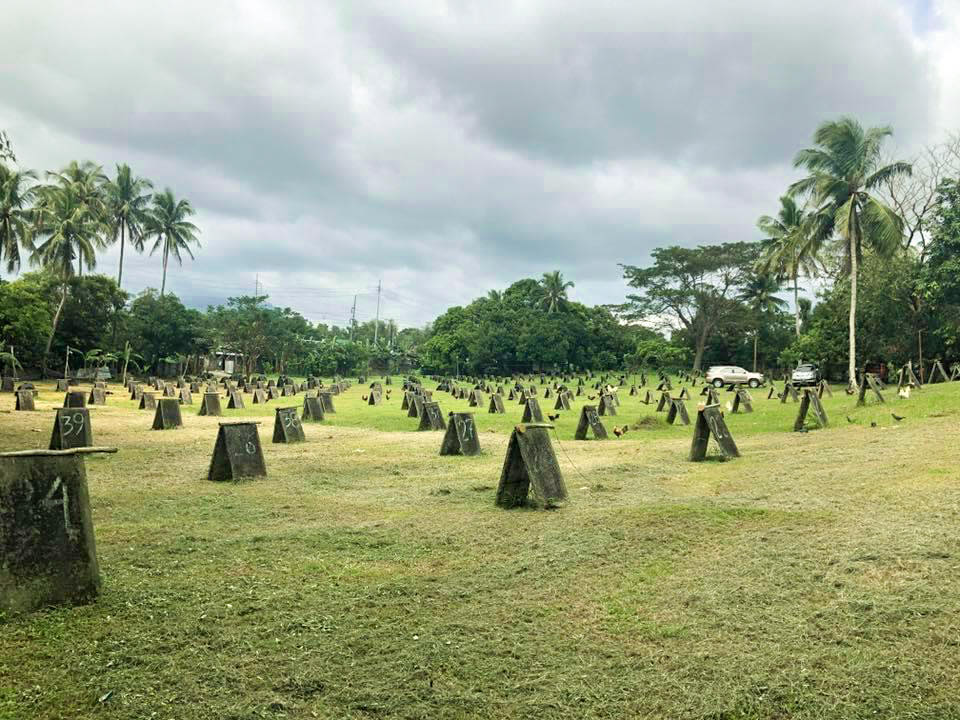
Cesar says he did not purchase low quality materials just so he could save money. He, instead, bought high quality breeding materials, as well as fighting chickens and hens to make sure his farm would be profitable.
2.jpg
Cesar says he did not purchase low quality materials so he could save money; instead, he bought high quality breeding materials, fighting chickens, and hens, so he could make sure that his farm would be profitable. (Cesar Yuchongco)

“I also have an incubator for eggs, and knowing the correct temperature is crucial,” Cesar says. He adds that making sure the eggs are properly incubated contributes a lot to the farm, as this ensures healthy chicks. These are, after all, next in line for training and conditioning. Some of his customers prefer buying chicks, as well.

Retirement plan

Cesar is now fully devoted to Isabel Game Farm. “It has become my routine to visit and oversee the farm every morning,” he says. “I also talk to my employees to know their concerns, and to observe and assess what they need to improve in the farm.”

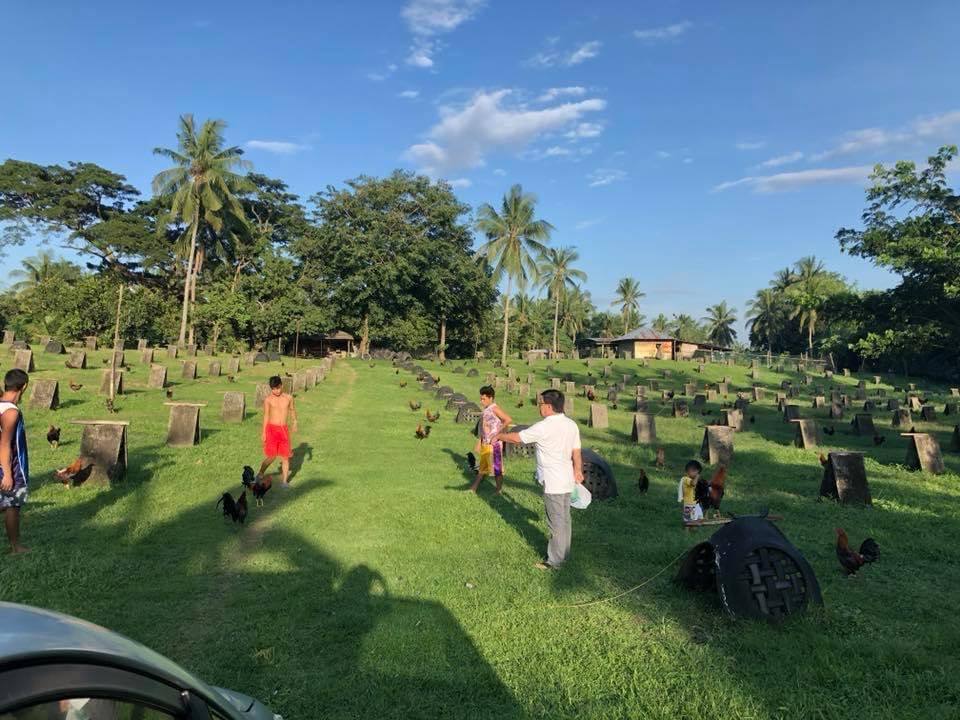
Now retired, Cesar relies more on other people for the different tasks on the farm. He has hired a farm manager and a main trainer responsible for conditioning their fighting roosters. He also has two assistant trainers because conditioning is a meticulous task.
4.jpg
Now retired, Cesar has hired a farm manager and a main trainer who is responsible for conditioning the fighting roosters. He also has two assistant trainers since conditioning is a meticulous task that requires a more hands-on approach. (Cesar Yuchongco)

“The people who live near our area are a big help when they are on the farm,” Cesar adds. It is important for him and his people to have a mutual goal, which is to produce as many chicks as possible every season.

Battle-ready

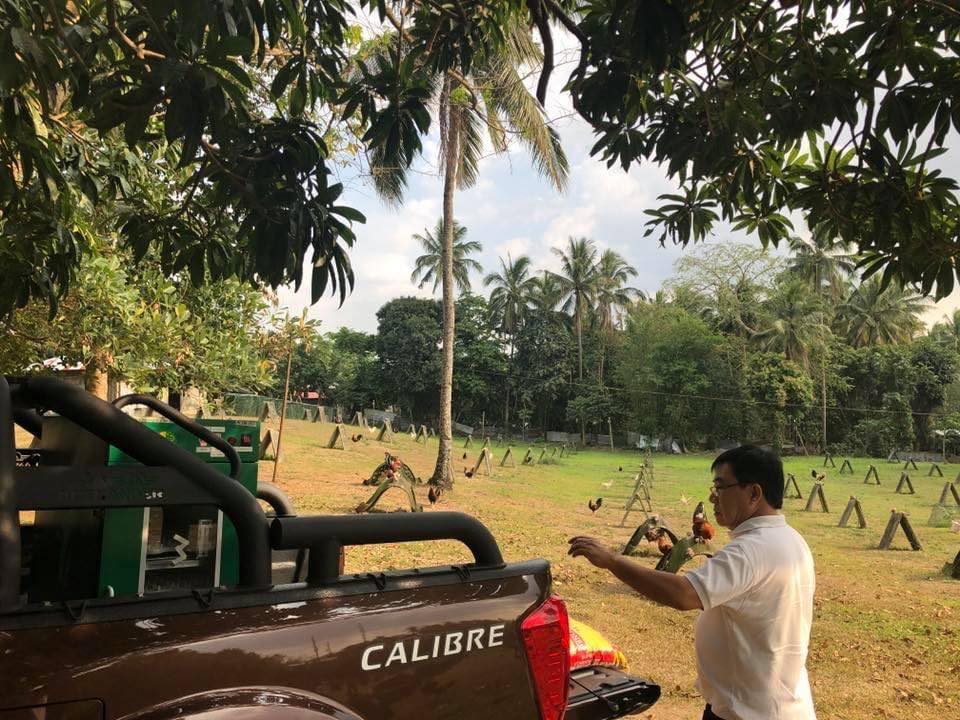
His trainers, following Cesar’s lead, follow certain criteria or qualifications in making sure that a rooster is ready for a cockfight. For one, the build of the chicken’s body has to be good. “We provide the chickens with water-soluble multivitamins daily,” he explains, adding that they only use high-quality feeds. Once a rooster has been identified to have a good build, they proceed to train it with a goal to develop agility.
3.jpg
Cesar feeds their chickens with high-quality products so that they will grow healthy. (Cesar Yuchongco)

Cesar adds how crucial it is to keep the farm clean as it prevents chickens from being sick and weak. But when their chickens catch some disease or another, he says that he provides them with ambroxitil and antibiotics. 

The final step is to test whether their chickens are ready to battle. “During the training and sparring, we can know whether a chicken is already fit to fight,” Cesar explains. “It is very fulfilling for us to get rewarded with success after the hard work when our chickens win.”

When luck is not on their side, however, they have learned to accept defeat gracefully and to simply try again. Defeat, for Cesar, is an opportunity to improve their training regimen.

Rising from defeat

“When there is heavy rain or a typhoon, the water in the creek rises,” Cesar says, describing one of their biggest challenges in the farm. He adds that he has to be mindful about the weather condition because when the chickens are exposed to floods, they will get sick, or worse, die. “There are chickens in the area near the creek so we have to relocate them somewhere safer so they will not get sick,” he says.
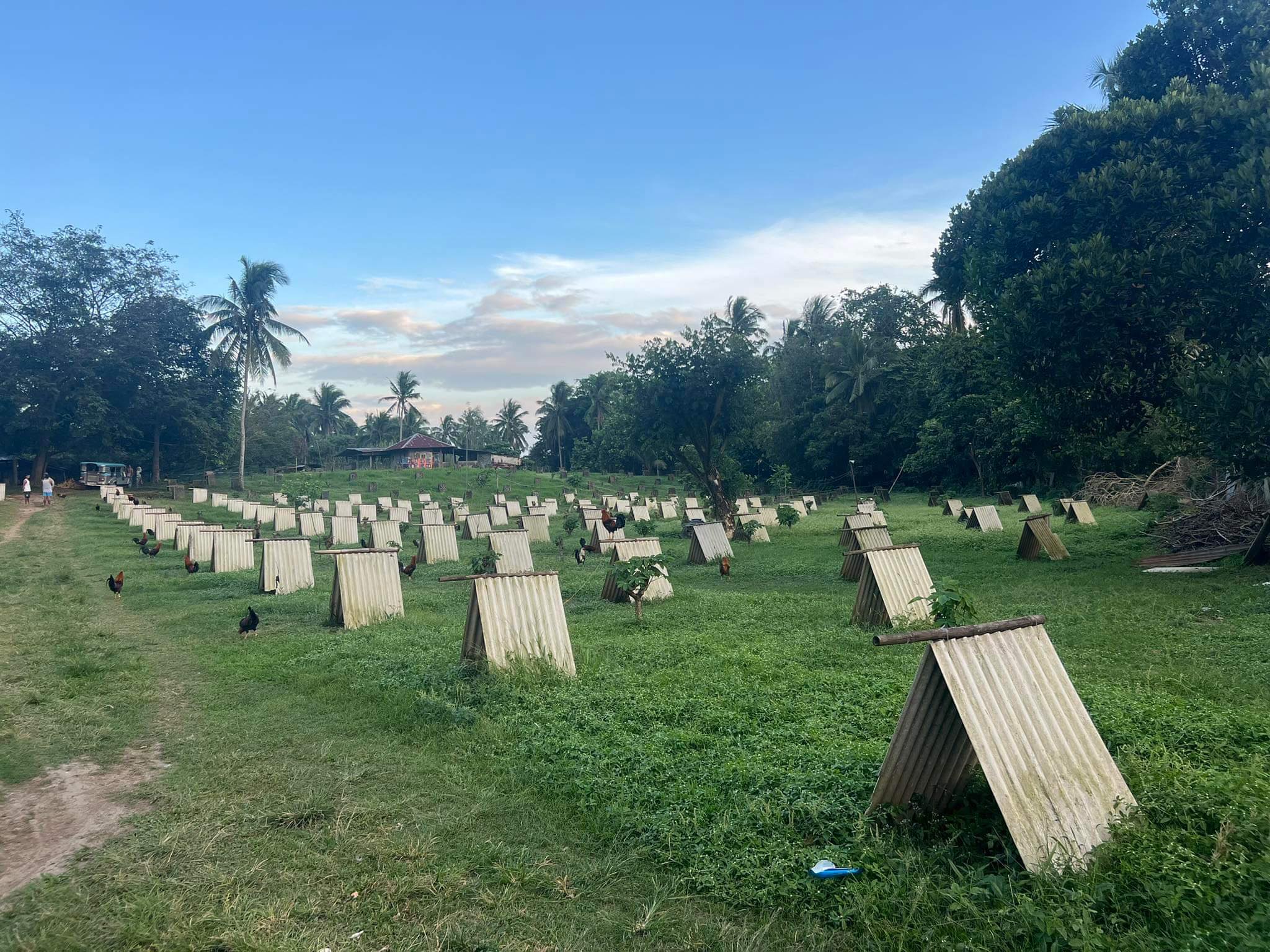
6.jpg
‘When there is heavy rain or a typhoon, the water in the creek rises. There are chickens in the area near the creek so we have to relocate them somewhere safer so they will not get sick,’ Cesar says. (Cesar Yuchongco)

Cesar recalls how Isabel Game Farm was during the pandemic, when cock derbies were closed. The whole period of the pandemic served as one long training and conditioning session for their roosters. “We took every chance we could. We just kept the business running. We stuck to our schedule to meet our target number of produced eggs and chicks, trained the fighting chickens, and accommodated potential buyers,” he narrates.

What has kept and continues to keep Cesar going despite any challenge is his passion and the thrill he gets growing chickens and training roosters. He says that an “always win, never lose” mindset is not helpful for him or for anyone else in the same industry. 

This may not be one of the most profitable businesses, Cesar admits, but he remains excited about competing. The possibility of winning in every fight he participates in encourages him to continue. There is, after all, a unique sense of fulfillment in winning and becoming a champion.

Photos by Cesar Yuchongco

Read more about farming and gardening at agriculture.com.ph

Related Tags

cockfight chicken farming chicken Benjamin Sarondo cockfighting
ADVERTISEMENT
.most-popular .layout-ratio{ padding-bottom: 79.13%; } @media (min-width: 768px) and (max-width: 1024px) { .widget-title { font-size: 15px !important; } }

{{ articles_filter_1561_widget.title }}

.most-popular .layout-ratio{ padding-bottom: 79.13%; } @media (min-width: 768px) and (max-width: 1024px) { .widget-title { font-size: 15px !important; } }

{{ articles_filter_1562_widget.title }}

.most-popular .layout-ratio{ padding-bottom: 79.13%; } @media (min-width: 768px) and (max-width: 1024px) { .widget-title { font-size: 15px !important; } }

{{ articles_filter_1563_widget.title }}

{{ articles_filter_1564_widget.title }}

.mb-article-details { position: relative; } .mb-article-details .article-body-preview, .mb-article-details .article-body-summary{ font-size: 17px; line-height: 30px; font-family: "Libre Caslon Text", serif; color: #000; } .mb-article-details .article-body-preview iframe , .mb-article-details .article-body-summary iframe{ width: 100%; margin: auto; } .read-more-background { background: linear-gradient(180deg, color(display-p3 1.000 1.000 1.000 / 0) 13.75%, color(display-p3 1.000 1.000 1.000 / 0.8) 30.79%, color(display-p3 1.000 1.000 1.000) 72.5%); position: absolute; height: 200px; width: 100%; bottom: 0; display: flex; justify-content: center; align-items: center; padding: 0; } .read-more-background a{ color: #000; } .read-more-btn { padding: 17px 45px; font-family: Inter; font-weight: 700; font-size: 18px; line-height: 16px; text-align: center; vertical-align: middle; border: 1px solid black; background-color: white; } .hidden { display: none; }
function initializeAllSwipers() { // Get all hidden inputs with cms_article_id document.querySelectorAll('[id^="cms_article_id_"]').forEach(function (input) { const cmsArticleId = input.value; const articleSelector = '#article-' + cmsArticleId + ' .body_images'; const swiperElement = document.querySelector(articleSelector); if (swiperElement && !swiperElement.classList.contains('swiper-initialized')) { new Swiper(articleSelector, { loop: true, pagination: false, navigation: { nextEl: '#article-' + cmsArticleId + ' .swiper-button-next', prevEl: '#article-' + cmsArticleId + ' .swiper-button-prev', }, }); } }); } setTimeout(initializeAllSwipers, 3000); const intersectionObserver = new IntersectionObserver( (entries) => { entries.forEach((entry) => { if (entry.isIntersecting) { const newUrl = entry.target.getAttribute("data-url"); if (newUrl) { history.pushState(null, null, newUrl); let article = entry.target; // Extract metadata const author = article.querySelector('.author-section').textContent.replace('By', '').trim(); const section = article.querySelector('.section-info ').textContent.replace(' ', ' '); const title = article.querySelector('.article-title h1').textContent; // Parse URL for Chartbeat path format const parsedUrl = new URL(newUrl, window.location.origin); const cleanUrl = parsedUrl.host + parsedUrl.pathname; // Update Chartbeat configuration if (typeof window._sf_async_config !== 'undefined') { window._sf_async_config.path = cleanUrl; window._sf_async_config.sections = section; window._sf_async_config.authors = author; } // Track virtual page view with Chartbeat if (typeof pSUPERFLY !== 'undefined' && typeof pSUPERFLY.virtualPage === 'function') { try { pSUPERFLY.virtualPage({ path: cleanUrl, title: title, sections: section, authors: author }); } catch (error) { console.error('ping error', error); } } // Optional: Update document title if (title && title !== document.title) { document.title = title; } } } }); }, { threshold: 0.1 } ); function showArticleBody(button) { const article = button.closest("article"); const summary = article.querySelector(".article-body-summary"); const body = article.querySelector(".article-body-preview"); const readMoreSection = article.querySelector(".read-more-background"); // Hide summary and read-more section summary.style.display = "none"; readMoreSection.style.display = "none"; // Show the full article body body.classList.remove("hidden"); } document.addEventListener("DOMContentLoaded", () => { let loadCount = 0; // Track how many times articles are loaded const offset = [1, 2, 3, 4, 5, 6, 7, 8, 9, 10]; // Offset values const currentUrl = window.location.pathname.substring(1); let isLoading = false; // Prevent multiple calls if (!currentUrl) { console.log("Current URL is invalid."); return; } const sentinel = document.getElementById("load-more-sentinel"); if (!sentinel) { console.log("Sentinel element not found."); return; } function isSentinelVisible() { const rect = sentinel.getBoundingClientRect(); return ( rect.top < window.innerHeight && rect.bottom >= 0 ); } function onScroll() { if (isLoading) return; if (isSentinelVisible()) { if (loadCount >= offset.length) { console.log("Maximum load attempts reached."); window.removeEventListener("scroll", onScroll); return; } isLoading = true; const currentOffset = offset[loadCount]; window.loadMoreItems().then(() => { let article = document.querySelector('#widget_1690 > div:nth-last-of-type(2) article'); intersectionObserver.observe(article) loadCount++; }).catch(error => { console.error("Error loading more items:", error); }).finally(() => { isLoading = false; }); } } window.addEventListener("scroll", onScroll); });

Sign up by email to receive news.