

ADVERTISEMENT

How you can give back to the environment from your home with GForest

GCash, the Philippines' leading finance super app, makes it easier for users to take a step towards helping fight climate change with GForest

Published Dec 27, 2023 11:01 am

Tree planting has always been one of the most effective ways to fight climate change, but not everyone has the resources to support this. At a time when environmental concerns are at the forefront of many global conversations, GCash, the Philippines' leading finance super app, makes it easier for users to take a step towards helping fight climate change with GForest.

GForest makes it easier for you to plant trees
GForest gives users the chance to actively contribute to the rebuilding of forests all over the Philippines without leaving the comfort of their homes.

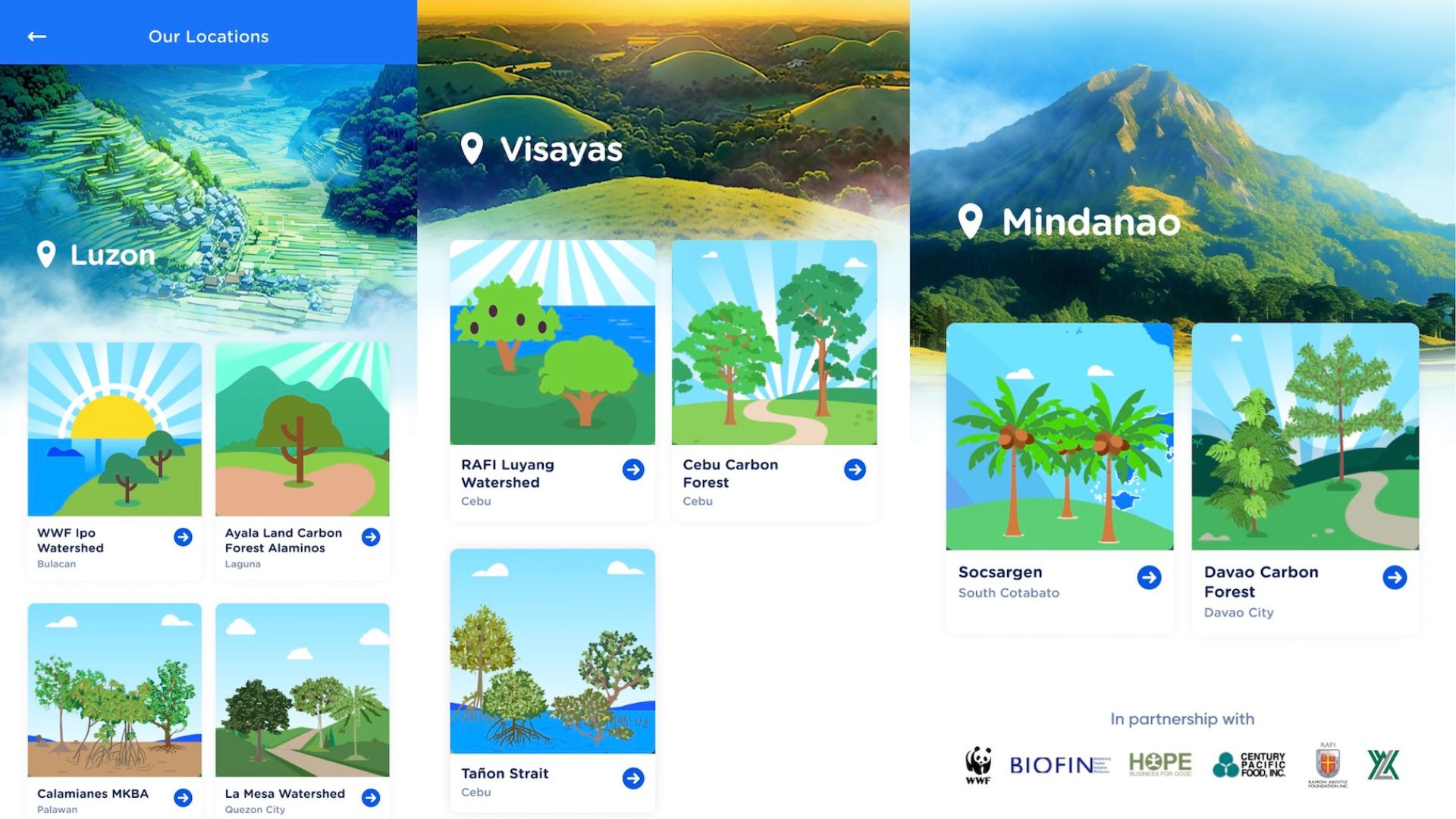
GCash users can plant virtual trees on the GForest dashboard using their accumulated green energy points. For every virtual tree planted within the app, GCash commits to planting actual trees in key locations across Luzon, Visayas, and Mindanao with its partners across the Philippines.
 

MB (82).jpg


These partners and GCash work closely with local farming communities to ensure the success of the tree-planting initiatives, extending the program's impact nationwide. This not only helps isolate carbon from the environment but also fosters healthier ecosystems and supports those living within the local communities.

How to join the digital eco-movement with GForest
Joining GForest and contributing to a greener Philippines is as easy as following four simple steps.

1. First, use GCash for your daily transactions, such as sending money, paying bills, buying load, and cashing-in your wallet, to earn green energy points.

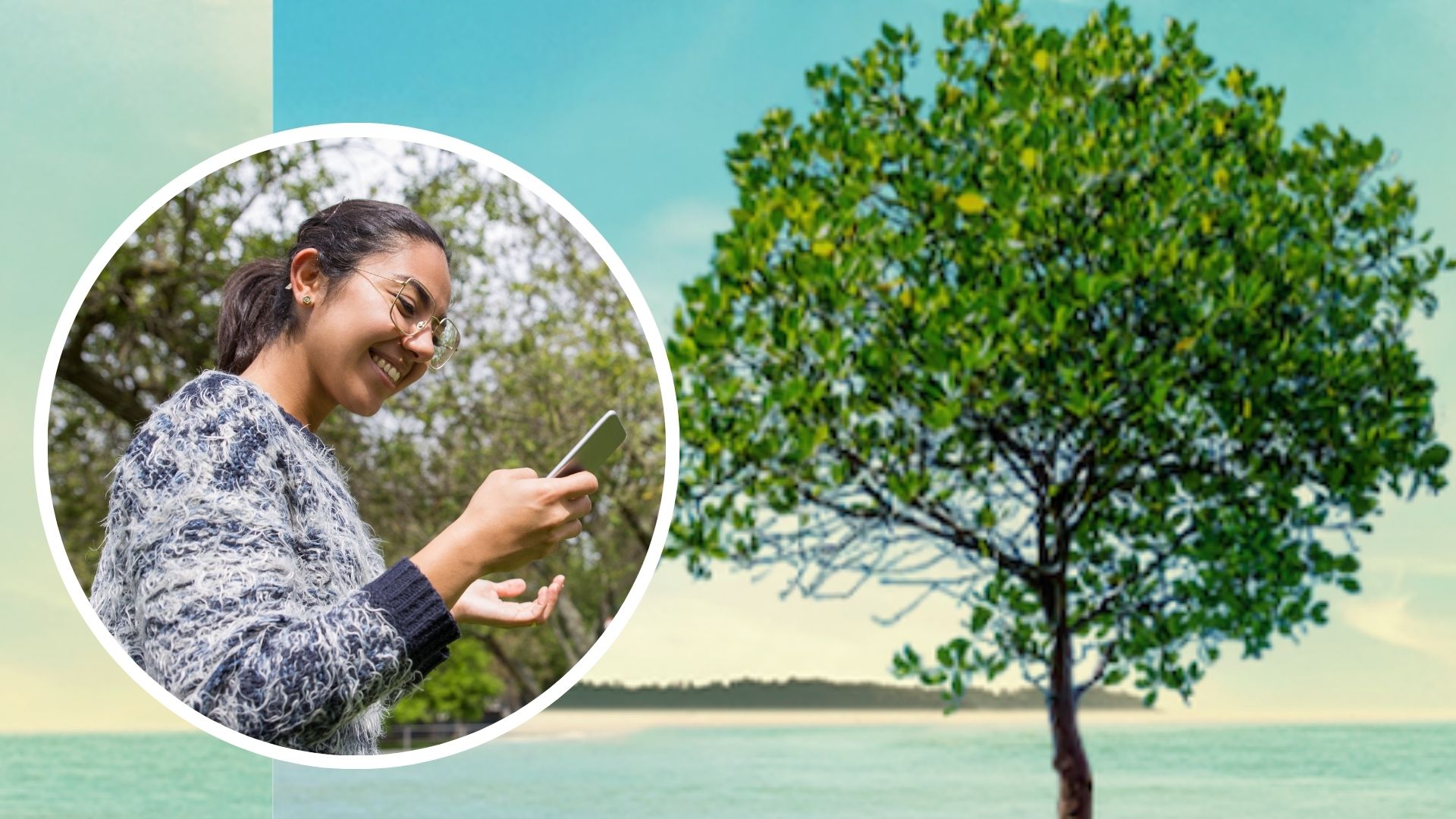
2. Next, collect your green energy points after 24 hours of your transaction on the GForest dashboard. Tap on your points to collect them—you can also collect points from your friends!
 

MB (80).jpg


3. Once you have enough points to plant a tree, head to the GForest virtual nursery and choose a tree to plant.

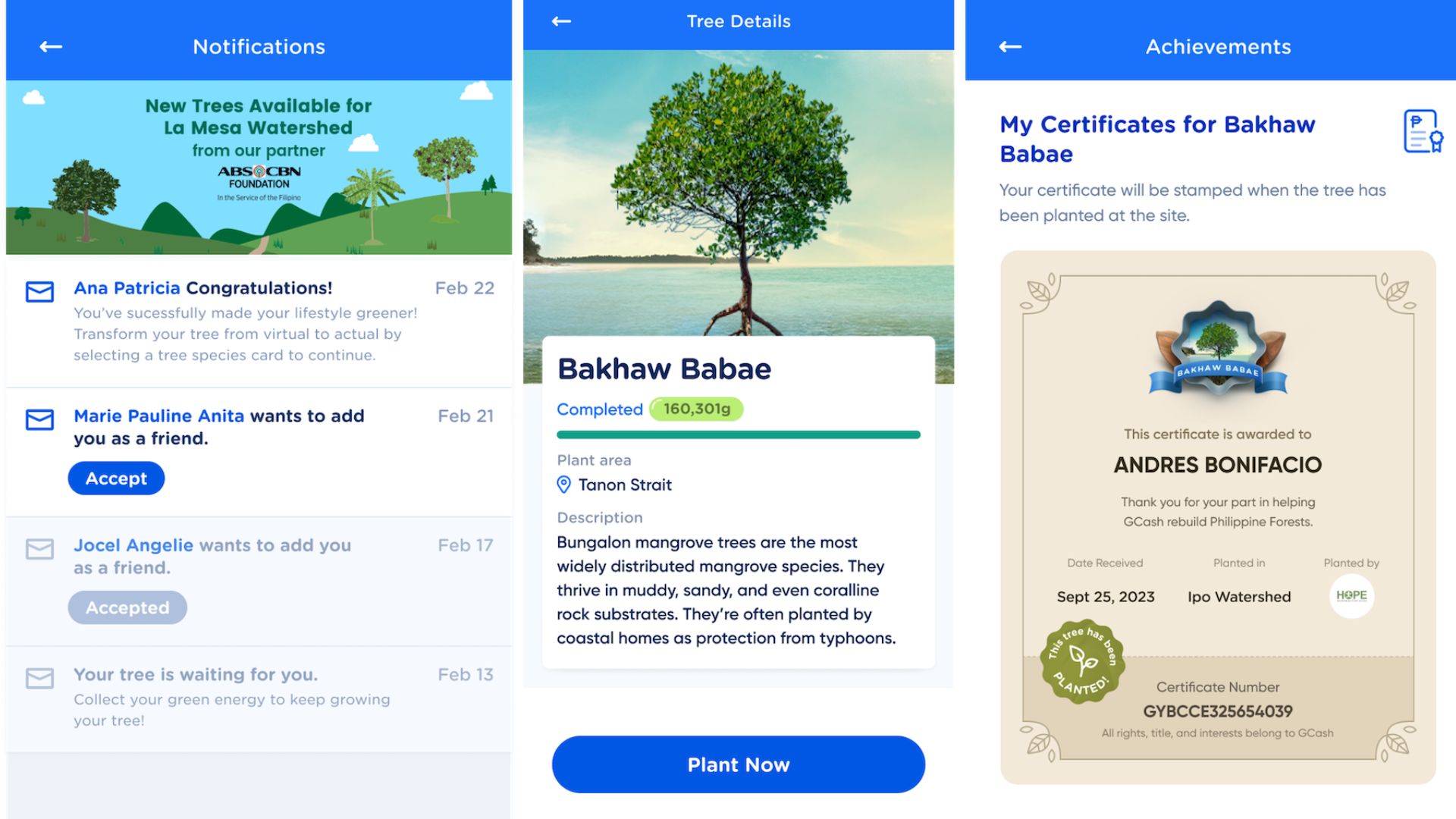
4. Finally, use your energy points to plant a virtual tree, knowing that it will be translated into a real tree planted by GCash and its partners. You’ll even receive a certificate for your valuable contribution to the country's biggest digital eco-movement!

GForest plants trees meant to survive
Since its launch in 2019, GForest has achieved remarkable milestones with over 2.5 million actual trees having been planted in 14 key areas nationwide as of 2023. There are an estimated 346K trees planted in Luzon, 1.1 million in Visayas, and 1.1 million in Mindanao.

GForest's success in rebuilding the forests of the Philippines is not just a number; it's a testament to its science-based planting approach. With a remarkable 90% survival rate, GForest, together with its partners, ensures that the trees are carefully matched to their ideal planting locations and environments, and the seedlings undergo growth in nurseries before deployment.
 

MB (81).jpg


All transported seedlings have a resting period before being planted during specific seasons, and training sessions conducted by GCash and its partners ensure the success of these initiatives.

In 2023, GForest boasts a breakthrough of 15 million users actively contributing to the planting of 2.5 million trees across 11,000 total hectares of land. GForest invites all users to be part of something bigger, something that transcends transactions and makes a impact on the environment. Join the biggest digital eco-movement in the Philippines today and contribute to rebuilding our forests—one digital tree at a time. Download the GCash app to start becoming a green hero today.

Related Tags

GCash MB Lifestyle Online MB Lifestyle PH GForest
ADVERTISEMENT
.most-popular .layout-ratio{ padding-bottom: 79.13%; } @media (min-width: 768px) and (max-width: 1024px) { .widget-title { font-size: 15px !important; } }

{{ articles_filter_1561_widget.title }}

.most-popular .layout-ratio{ padding-bottom: 79.13%; } @media (min-width: 768px) and (max-width: 1024px) { .widget-title { font-size: 15px !important; } }

{{ articles_filter_1562_widget.title }}

.most-popular .layout-ratio{ padding-bottom: 79.13%; } @media (min-width: 768px) and (max-width: 1024px) { .widget-title { font-size: 15px !important; } }

{{ articles_filter_1563_widget.title }}

{{ articles_filter_1564_widget.title }}

.mb-article-details { position: relative; } .mb-article-details .article-body-preview, .mb-article-details .article-body-summary{ font-size: 17px; line-height: 30px; font-family: "Libre Caslon Text", serif; color: #000; } .mb-article-details .article-body-preview iframe , .mb-article-details .article-body-summary iframe{ width: 100%; margin: auto; } .read-more-background { background: linear-gradient(180deg, color(display-p3 1.000 1.000 1.000 / 0) 13.75%, color(display-p3 1.000 1.000 1.000 / 0.8) 30.79%, color(display-p3 1.000 1.000 1.000) 72.5%); position: absolute; height: 200px; width: 100%; bottom: 0; display: flex; justify-content: center; align-items: center; padding: 0; } .read-more-background a{ color: #000; } .read-more-btn { padding: 17px 45px; font-family: Inter; font-weight: 700; font-size: 18px; line-height: 16px; text-align: center; vertical-align: middle; border: 1px solid black; background-color: white; } .hidden { display: none; }
function initializeAllSwipers() { // Get all hidden inputs with cms_article_id document.querySelectorAll('[id^="cms_article_id_"]').forEach(function (input) { const cmsArticleId = input.value; const articleSelector = '#article-' + cmsArticleId + ' .body_images'; const swiperElement = document.querySelector(articleSelector); if (swiperElement && !swiperElement.classList.contains('swiper-initialized')) { new Swiper(articleSelector, { loop: true, pagination: false, navigation: { nextEl: '#article-' + cmsArticleId + ' .swiper-button-next', prevEl: '#article-' + cmsArticleId + ' .swiper-button-prev', }, }); } }); } setTimeout(initializeAllSwipers, 3000); const intersectionObserver = new IntersectionObserver( (entries) => { entries.forEach((entry) => { if (entry.isIntersecting) { const newUrl = entry.target.getAttribute("data-url"); if (newUrl) { history.pushState(null, null, newUrl); let article = entry.target; // Extract metadata const author = article.querySelector('.author-section').textContent.replace('By', '').trim(); const section = article.querySelector('.section-info ').textContent.replace(' ', ' '); const title = article.querySelector('.article-title h1').textContent; // Parse URL for Chartbeat path format const parsedUrl = new URL(newUrl, window.location.origin); const cleanUrl = parsedUrl.host + parsedUrl.pathname; // Update Chartbeat configuration if (typeof window._sf_async_config !== 'undefined') { window._sf_async_config.path = cleanUrl; window._sf_async_config.sections = section; window._sf_async_config.authors = author; } // Track virtual page view with Chartbeat if (typeof pSUPERFLY !== 'undefined' && typeof pSUPERFLY.virtualPage === 'function') { try { pSUPERFLY.virtualPage({ path: cleanUrl, title: title, sections: section, authors: author }); } catch (error) { console.error('ping error', error); } } // Optional: Update document title if (title && title !== document.title) { document.title = title; } } } }); }, { threshold: 0.1 } ); function showArticleBody(button) { const article = button.closest("article"); const summary = article.querySelector(".article-body-summary"); const body = article.querySelector(".article-body-preview"); const readMoreSection = article.querySelector(".read-more-background"); // Hide summary and read-more section summary.style.display = "none"; readMoreSection.style.display = "none"; // Show the full article body body.classList.remove("hidden"); } document.addEventListener("DOMContentLoaded", () => { let loadCount = 0; // Track how many times articles are loaded const offset = [1, 2, 3, 4, 5, 6, 7, 8, 9, 10]; // Offset values const currentUrl = window.location.pathname.substring(1); let isLoading = false; // Prevent multiple calls if (!currentUrl) { console.log("Current URL is invalid."); return; } const sentinel = document.getElementById("load-more-sentinel"); if (!sentinel) { console.log("Sentinel element not found."); return; } function isSentinelVisible() { const rect = sentinel.getBoundingClientRect(); return ( rect.top < window.innerHeight && rect.bottom >= 0 ); } function onScroll() { if (isLoading) return; if (isSentinelVisible()) { if (loadCount >= offset.length) { console.log("Maximum load attempts reached."); window.removeEventListener("scroll", onScroll); return; } isLoading = true; const currentOffset = offset[loadCount]; window.loadMoreItems().then(() => { let article = document.querySelector('#widget_1690 > div:nth-last-of-type(2) article'); intersectionObserver.observe(article) loadCount++; }).catch(error => { console.error("Error loading more items:", error); }).finally(() => { isLoading = false; }); } } window.addEventListener("scroll", onScroll); });

Sign up by email to receive news.