







Nueva Ecija, Cavite hit by drought, says PAGASA


Nueva Ecija and Cavite are now experiencing drought, said the Philippine Atmospheric, Geophysical and Astronomical Services Administration (PAGASA).
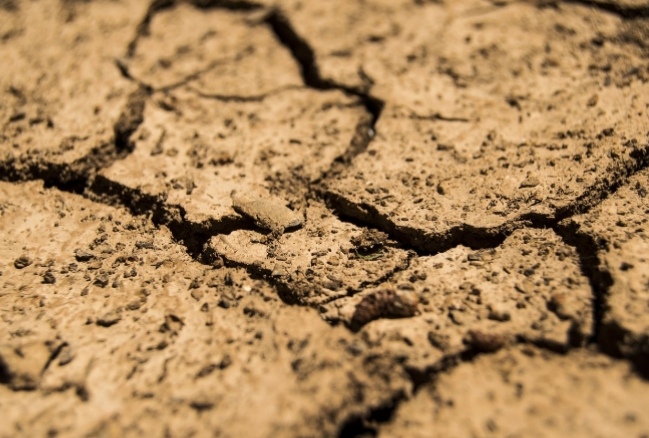
In its monthly climate forum on Wednesday, Dec. 20, Ana Liza Solis, chief of PAGASA’s Climate Monitoring and Prediction Section said the drought in Nueva Ecija and Cavite was caused by the current strong El Niño event.
"Meteorological drought is already experienced in areas of Nueva Ecija and Cavite. And in January, meteorological drought will persist in other Luzon areas," Solis said.
PAGASA defines drought as a prolonged dry condition characterized by five consecutive months of “below-normal” rainfall or three consecutive months of “way below-normal” rainfall.
PAGASA said by the end of January 2024, 15 provinces may experience drought.
These are Benguet, Kalinga, Apayao, Ilocos Norte, Ilocos Sur, La Union, Pangasinan, Cagayan, Bataan, Nueva Ecija, Tarlac, Cavite, Zambales, Pampanga, and Palawan.
Meanwhile, 11 provinces may experience dry spell, while nine areas may have dry condition.
PAGASA explained that a dry spell occurs when there is below-normal rainfall for three consecutive months, while a dry condition occurs when there is below-normal rainfall for two consecutive months.
Areas that may be affected by dry spell by the end of January are Abra, Ifugao, Mountain Province, Isabela, Nueva Vizcaya, Quirino, Bulacan, Aurora, Metro Manila, Riza, and Occidental Mindoro.
Meanwhile, dry condition may occur in Batangas, Laguna, Quezon, Marinduque, Oriental Mindoro, Romblon, Camarines Norte, Camarines Sur, and Catanduanes by the end of January.
PAGASA said El Niño phenomenon is expected to persist until 2024, with its peak likely in March or April.
Solis also said that the western part of Luzon will be hit first by below-normal rainfall, which will be felt in other parts of the country in the coming months.