

ADVERTISEMENT

DOH addresses rising number of Covid cases despite vaccination progress

Published Dec 19, 2023 05:46 am

In response to the rising number of Covid-19 cases despite widespread vaccination efforts, Department of Health (DOH) Secretary Teodoro Herbosa said that vaccinations aim to reduce the severity of infections and make them milder.
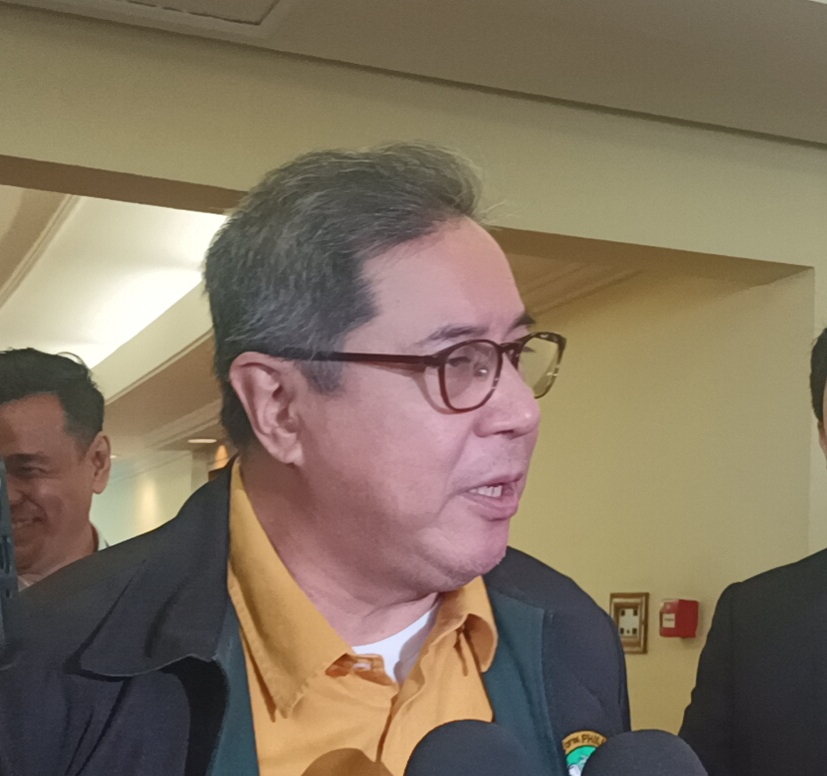
IMG_20231024_150502.jpg
Photo by Zekinah Elize Espina

"If you're fully vaccinated and boosted, you get a milder version of the disease. Many of us, if infected, experience two to three days of symptoms, and then we're already getting better. That's the promise of the vaccine,” Herbosa explained during an interview with ANC on Tuesday, Dec. 19.

He also acknowledged the presence of new variants, particularly highlighting the prevalence of omicron XBB.

The Health Secretary clarified that the existing vaccines were designed to combat Alpha, Beta, and Delta variants of Covid-19.

While the appearance of new Covid-19 variants, resembling common colds, is observed, they present a "lesser threat" to individuals in good health.

However, he expressed concern for vulnerable populations, such as the elderly or those with immune system deficiencies and comorbidities.

Moreover, Herbosa said that while reported Covid-19 numbers are high, hospitalizations are not increasing significantly, indicating that the healthcare system is not overburdened.


Meanwhile, regarding Covid-related deaths, the Health chief clarified a shift in reporting practices.

He explained that during the pandemic, the DOH recorded anyone with a positive Covid test as a Covid-related death.

However, in recent weeks, the analysis revealed that many reported deaths were caused by other underlying illnesses, such as heart attacks, rather than direct Covid-related pneumonia.

"They died with Covid, meaning their immune system was compromised due to major illnesses like heart conditions, diabetes, or kidney issues. Even those with pneumonia died of bacterial pneumonia, not Covid pneumonia,” he said.

Herbosa also stressed that the newer variants primarily manifest as upper respiratory infections with symptoms like a cold, sore throat, and fever, and individuals generally recover.

Concerning this, the Health chief encouraged the public to view the rising numbers in the context of milder infections due to vaccination while also considering the impact of new variants.

He reassured that hospitalization rates remain manageable and underscored the importance of continued vigilance, especially for individuals with pre-existing health conditions.

On the other hand, in response to inquiries about the DOH’s suggestion for individuals to receive another Covid vaccination even after being boosted, Herbosa clarified the targeted recommendation.

"Only the high-risk population is recommended for an additional dose, specifically those individuals who fall into the high-risk category and have surpassed six months or more from their last booster shot,” he said.

Herbosa further explained that a new vaccine formulation, the monovalent XBB omicron, is being pursued through COVAX to cater to the vulnerable population in the Philippines.

However, he reassured those who are healthy and have received their initial shots or boosters, stating, "If you're healthy and have already received your shot or booster, there's no current recommendation to get an additional booster. You'll be okay with what you received before."

This targeted approach, as stated by Herbosa, aims to optimize vaccine distribution while prioritizing the well-being of high-risk individuals in the ongoing efforts to manage the impact of Covid-19 in the country.

Related Tags

COVID vaccine booster shots Ted Herbosa covid cases philippines DOH
ADVERTISEMENT
.most-popular .layout-ratio{ padding-bottom: 79.13%; } @media (min-width: 768px) and (max-width: 1024px) { .widget-title { font-size: 15px !important; } }

{{ articles_filter_1561_widget.title }}

.most-popular .layout-ratio{ padding-bottom: 79.13%; } @media (min-width: 768px) and (max-width: 1024px) { .widget-title { font-size: 15px !important; } }

{{ articles_filter_1562_widget.title }}

.most-popular .layout-ratio{ padding-bottom: 79.13%; } @media (min-width: 768px) and (max-width: 1024px) { .widget-title { font-size: 15px !important; } }

{{ articles_filter_1563_widget.title }}

{{ articles_filter_1564_widget.title }}

.mb-article-details { position: relative; } .mb-article-details .article-body-preview, .mb-article-details .article-body-summary{ font-size: 17px; line-height: 30px; font-family: "Libre Caslon Text", serif; color: #000; } .mb-article-details .article-body-preview iframe , .mb-article-details .article-body-summary iframe{ width: 100%; margin: auto; } .read-more-background { background: linear-gradient(180deg, color(display-p3 1.000 1.000 1.000 / 0) 13.75%, color(display-p3 1.000 1.000 1.000 / 0.8) 30.79%, color(display-p3 1.000 1.000 1.000) 72.5%); position: absolute; height: 200px; width: 100%; bottom: 0; display: flex; justify-content: center; align-items: center; padding: 0; } .read-more-background a{ color: #000; } .read-more-btn { padding: 17px 45px; font-family: Inter; font-weight: 700; font-size: 18px; line-height: 16px; text-align: center; vertical-align: middle; border: 1px solid black; background-color: white; } .hidden { display: none; }
function initializeAllSwipers() { // Get all hidden inputs with cms_article_id document.querySelectorAll('[id^="cms_article_id_"]').forEach(function (input) { const cmsArticleId = input.value; const articleSelector = '#article-' + cmsArticleId + ' .body_images'; const swiperElement = document.querySelector(articleSelector); if (swiperElement && !swiperElement.classList.contains('swiper-initialized')) { new Swiper(articleSelector, { loop: true, pagination: false, navigation: { nextEl: '#article-' + cmsArticleId + ' .swiper-button-next', prevEl: '#article-' + cmsArticleId + ' .swiper-button-prev', }, }); } }); } setTimeout(initializeAllSwipers, 3000); const intersectionObserver = new IntersectionObserver( (entries) => { entries.forEach((entry) => { if (entry.isIntersecting) { const newUrl = entry.target.getAttribute("data-url"); if (newUrl) { history.pushState(null, null, newUrl); let article = entry.target; // Extract metadata const author = article.querySelector('.author-section').textContent.replace('By', '').trim(); const section = article.querySelector('.section-info ').textContent.replace(' ', ' '); const title = article.querySelector('.article-title h1').textContent; // Parse URL for Chartbeat path format const parsedUrl = new URL(newUrl, window.location.origin); const cleanUrl = parsedUrl.host + parsedUrl.pathname; // Update Chartbeat configuration if (typeof window._sf_async_config !== 'undefined') { window._sf_async_config.path = cleanUrl; window._sf_async_config.sections = section; window._sf_async_config.authors = author; } // Track virtual page view with Chartbeat if (typeof pSUPERFLY !== 'undefined' && typeof pSUPERFLY.virtualPage === 'function') { try { pSUPERFLY.virtualPage({ path: cleanUrl, title: title, sections: section, authors: author }); } catch (error) { console.error('ping error', error); } } // Optional: Update document title if (title && title !== document.title) { document.title = title; } } } }); }, { threshold: 0.1 } ); function showArticleBody(button) { const article = button.closest("article"); const summary = article.querySelector(".article-body-summary"); const body = article.querySelector(".article-body-preview"); const readMoreSection = article.querySelector(".read-more-background"); // Hide summary and read-more section summary.style.display = "none"; readMoreSection.style.display = "none"; // Show the full article body body.classList.remove("hidden"); } document.addEventListener("DOMContentLoaded", () => { let loadCount = 0; // Track how many times articles are loaded const offset = [1, 2, 3, 4, 5, 6, 7, 8, 9, 10]; // Offset values const currentUrl = window.location.pathname.substring(1); let isLoading = false; // Prevent multiple calls if (!currentUrl) { console.log("Current URL is invalid."); return; } const sentinel = document.getElementById("load-more-sentinel"); if (!sentinel) { console.log("Sentinel element not found."); return; } function isSentinelVisible() { const rect = sentinel.getBoundingClientRect(); return ( rect.top < window.innerHeight && rect.bottom >= 0 ); } function onScroll() { if (isLoading) return; if (isSentinelVisible()) { if (loadCount >= offset.length) { console.log("Maximum load attempts reached."); window.removeEventListener("scroll", onScroll); return; } isLoading = true; const currentOffset = offset[loadCount]; window.loadMoreItems().then(() => { let article = document.querySelector('#widget_1690 > div:nth-last-of-type(2) article'); intersectionObserver.observe(article) loadCount++; }).catch(error => { console.error("Error loading more items:", error); }).finally(() => { isLoading = false; }); } } window.addEventListener("scroll", onScroll); });

Sign up by email to receive news.