






 Philippines
National
Proposed economic reforms via Charter change not part of Marcos agenda in Tokyo summit
Philippines
National
Proposed economic reforms via Charter change not part of Marcos agenda in Tokyo summit
Proposed economic reforms via Charter change not part of Marcos agenda in Tokyo summit


TOKYO, Japan—Proposed economic reforms in the 1987 Constitutions will not be brought up in the forums President Marcos will participate in during his four-day trip here.
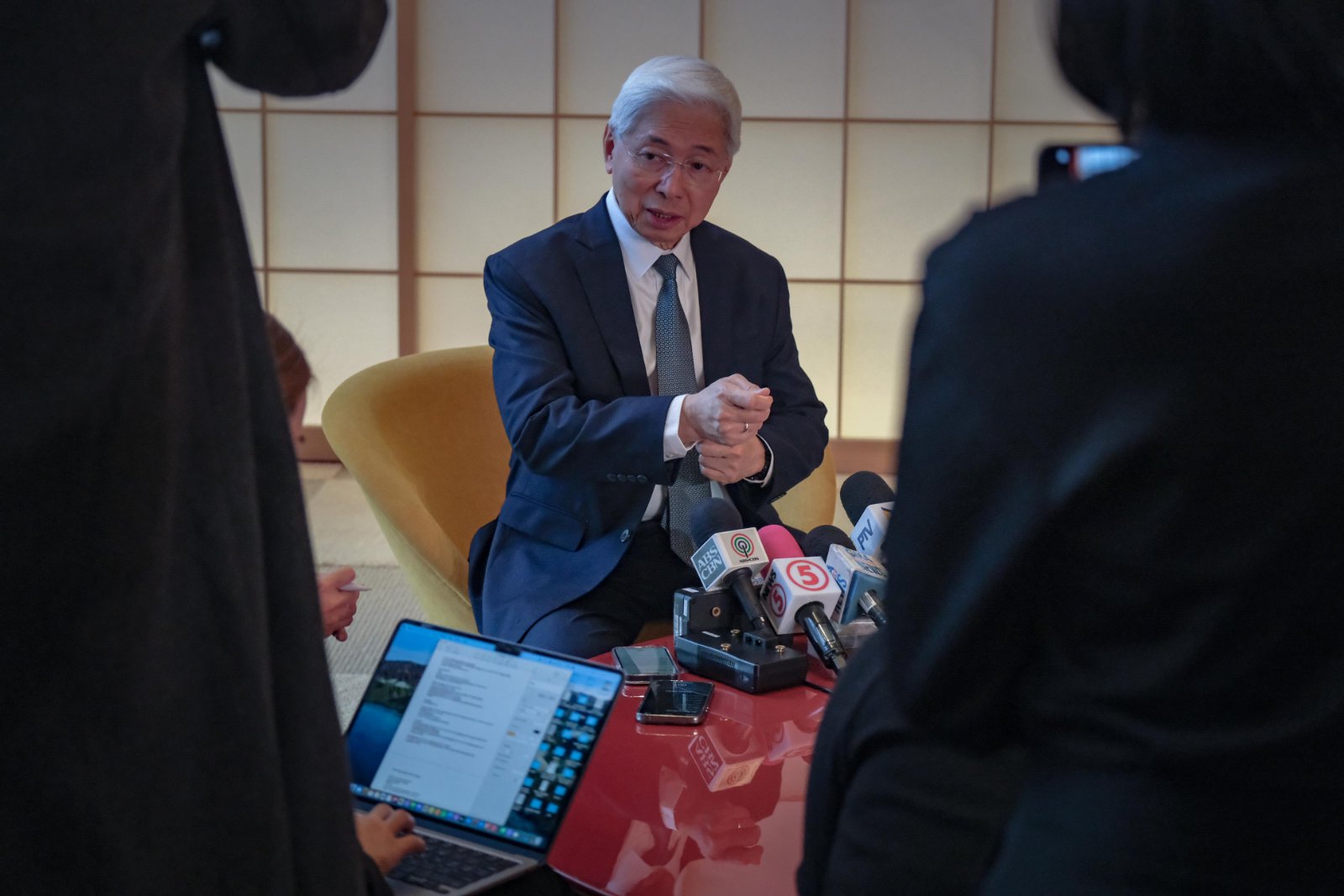
Although Marcos has confirmed that the government is looking to study possible economic reforms in the 1987 Constitution, it will not be talked about during his participation in the Japan-Association of Southeast Asian Nations Commemorative Summit.
Trade Secretary Alfredo Pascual particularly said the international summit is not the forum to discuss such matters.
"That's an internal matter for the Philippines currently. I don't think an international forum like what we have today will be the forum to talk about it," Pascual said in a media interview on Saturday, Dec. 16 when asked if the Philippines would pitch the proposed economic reforms to potential investors.
Pascual, however, said that current policies made to make it more lenient for foreign investors to invest in the Philippines would "surely" be mentioned in their engagements.
"Yes, surely. The common, the usual expression to use is that the Philippines is open for business and we have undertaken several reforms to open the economy to foreign investments," the Trade Chief said.
He cited that in the infrastructure and renewable energy sectors, the country now allows hundred percent foreign ownership.
"In many sectors, we now allow hundred percent foreign ownership. Under the amendment of the Public Service Act for example, we opened up airports, tollways, railways for hundred percent foreign ownership and also through amendment IRR (implementing rules and regulations) of the Renewable Energy Act, we now allow hundred percent ownership in renewable energy projects," he said.
On Friday, before flying to Tokyo, Marcos said the government is looking to revisit the economic provisions of the 1987 Constitution and other laws to make the Philippines more investment-friendly.
He pointed out that the existing economic provisions are hindering potential investors from proceeding with their operations in the country.
“We’re just beginning to study because we keep talking about economic provisions that are getting in the way with some of the potential investors that we are trying to bring to the Philippines,” Marcos said.
“What we are looking at here is the opportunity cost of those who would like to invest here but somehow the laws that derived from the Constitution when it comes to the economic provisions do not allow them to or make it non-viable for them,” he said.
READ MORE: Economic reforms sought in Constitution review, Marcos says