






 Drive
Embrace the digital space: Mushroom farm in Bulacan uses the internet to market products
Drive
Embrace the digital space: Mushroom farm in Bulacan uses the internet to market products
Embrace the digital space: Mushroom farm in Bulacan uses the internet to market products


By BENJAMIN SARONDO
Angeline Sarmineto-Fraginal, 32, from San Jose del Monte, Bulacan, started Sarmiento-Fraginal Mushroom Farm (SF Mushroom Farm) in February 2019 at her parent’s farm located in Norzagaray, Bulacan. In 2020, Angeline decided to move the farm and production area to a 120-square-meter plot of land closer to her.
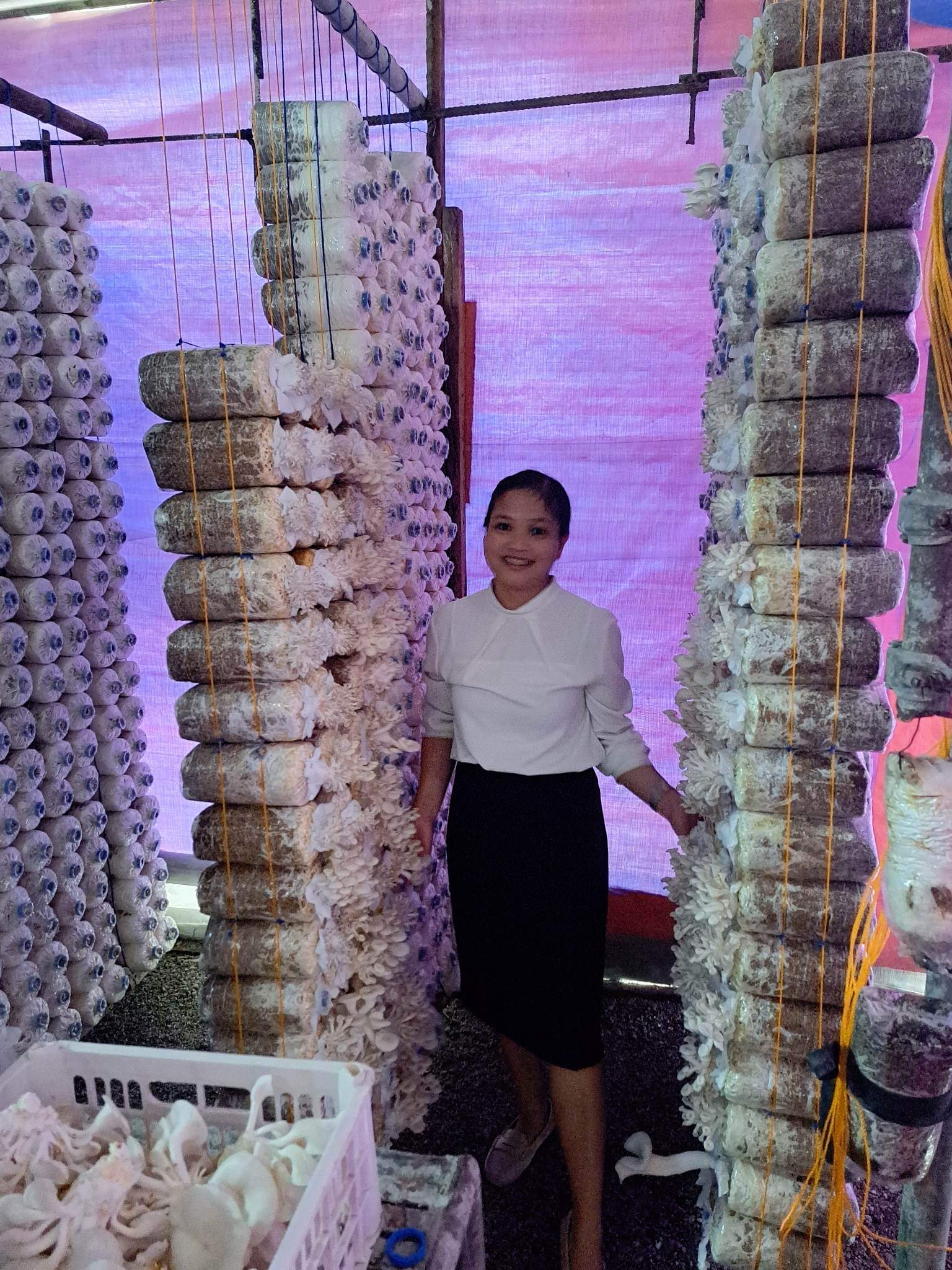
“Our mushroom business began as a humble venture and blossomed into a thriving endeavor dedicated to cultivating high-quality mushrooms,” Angeline said. “As our commitment to excellence grew, so did our operations. We expanded our production area to San Jose del Monte, Bulacan,” she added.
She was inspired to venture into the mushroom business because of a video she watched online featuring a mushroom grower. Angeline realized the marketability of mushrooms, especially processed and value-added mushroom products.
Angeline said it was not hard for her to start mushroom farming because she has experience with farming since both of her parents are farmers. “My parents are both farmers, and sometimes I will help them with farming duties, such as harvesting, post-harvesting, washing, packaging, and many more.”
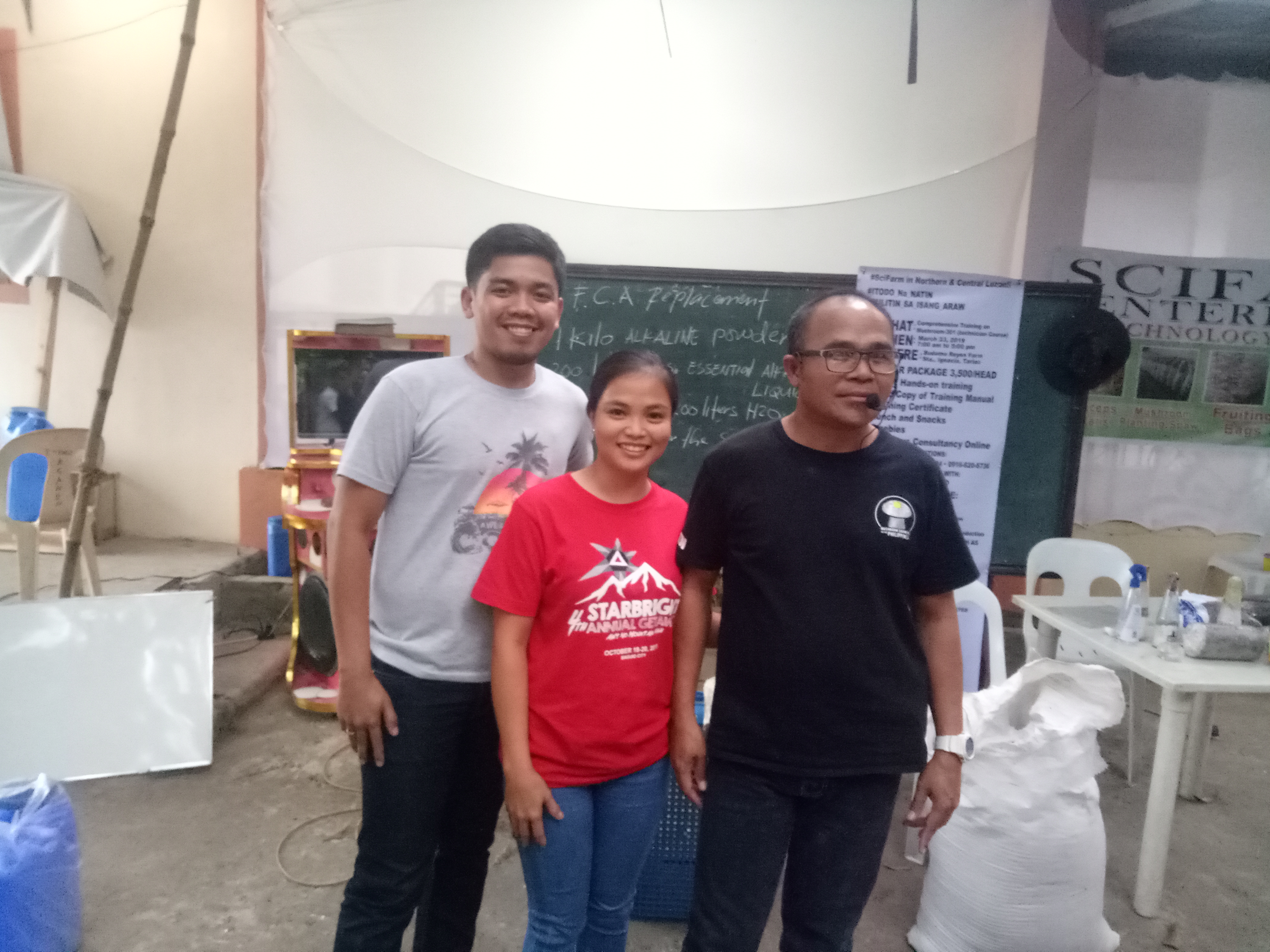
To expand her knowledge about mushroom farming, Angeline attended seminars and training sessions, and she also stated that watching online videos is also helpful in learning. “I also constantly communicate with our local mushroom growers here in Bulacan because their knowledge is based on experience, and these things can also be tested and implemented in our own mushroom farm.”
14,000 pesos capital
Angeline said that the first thing she considered before starting mushroom farming and establishing a mushroom business was whether she knew and understood mushroom growing, because without sufficient knowledge and understanding, she said she would most likely fail.
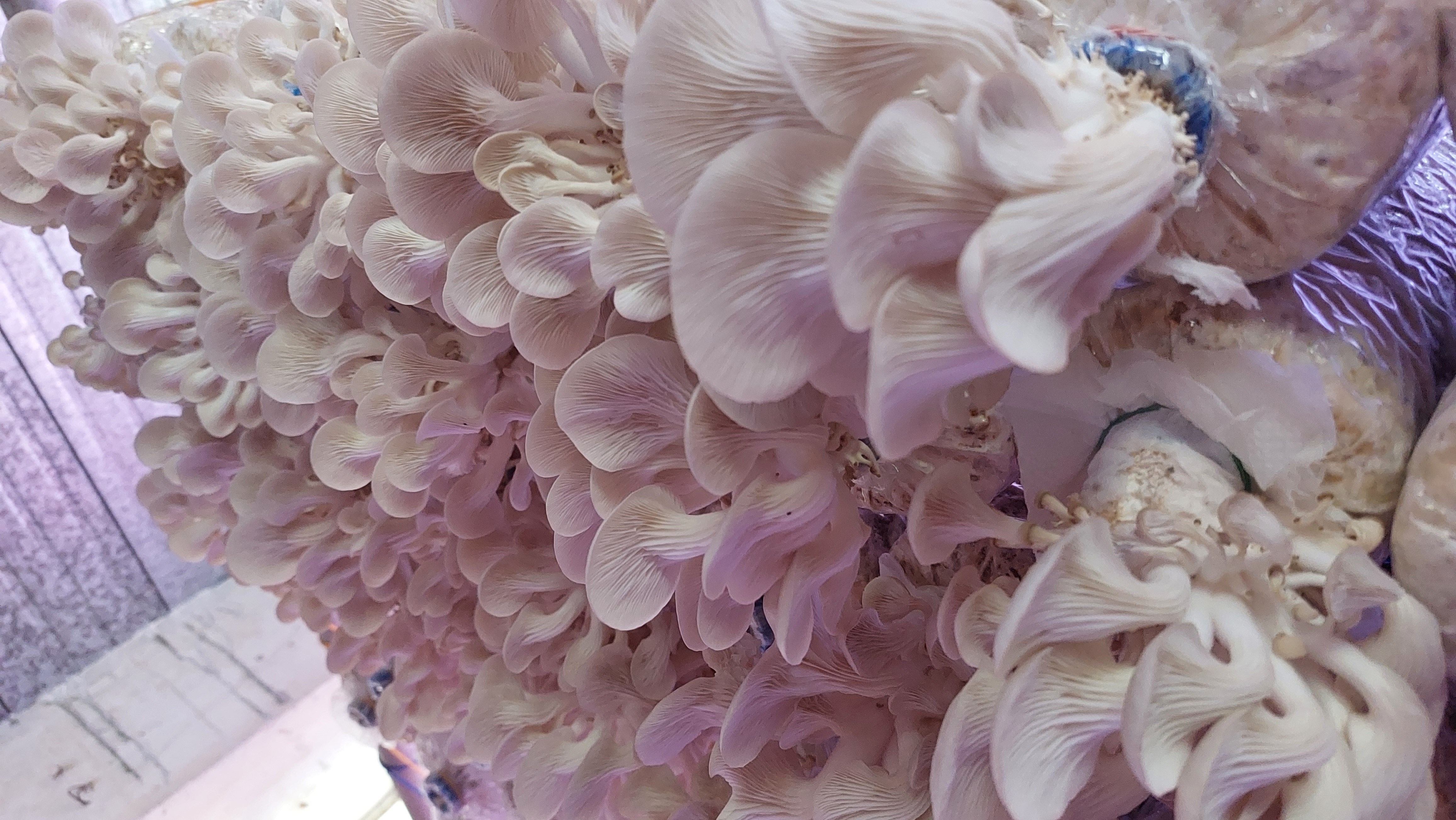
After making sure that she had enough knowledge, skills, and experience about mushroom farming, Angeline started SF Mushroom Farm, which focuses on growing oyster mushrooms.
She said that she spent around 14,000 pesos as capital. She allocated this fund for purchasing raw materials, the roofing of the growhouse, steel drums, and more.
In establishing the grow house, Angeline said that it was a collaborative effort with the members of her family, which is why they saved a lot of money because instead of paying for labor fees, they did all the work on their own.
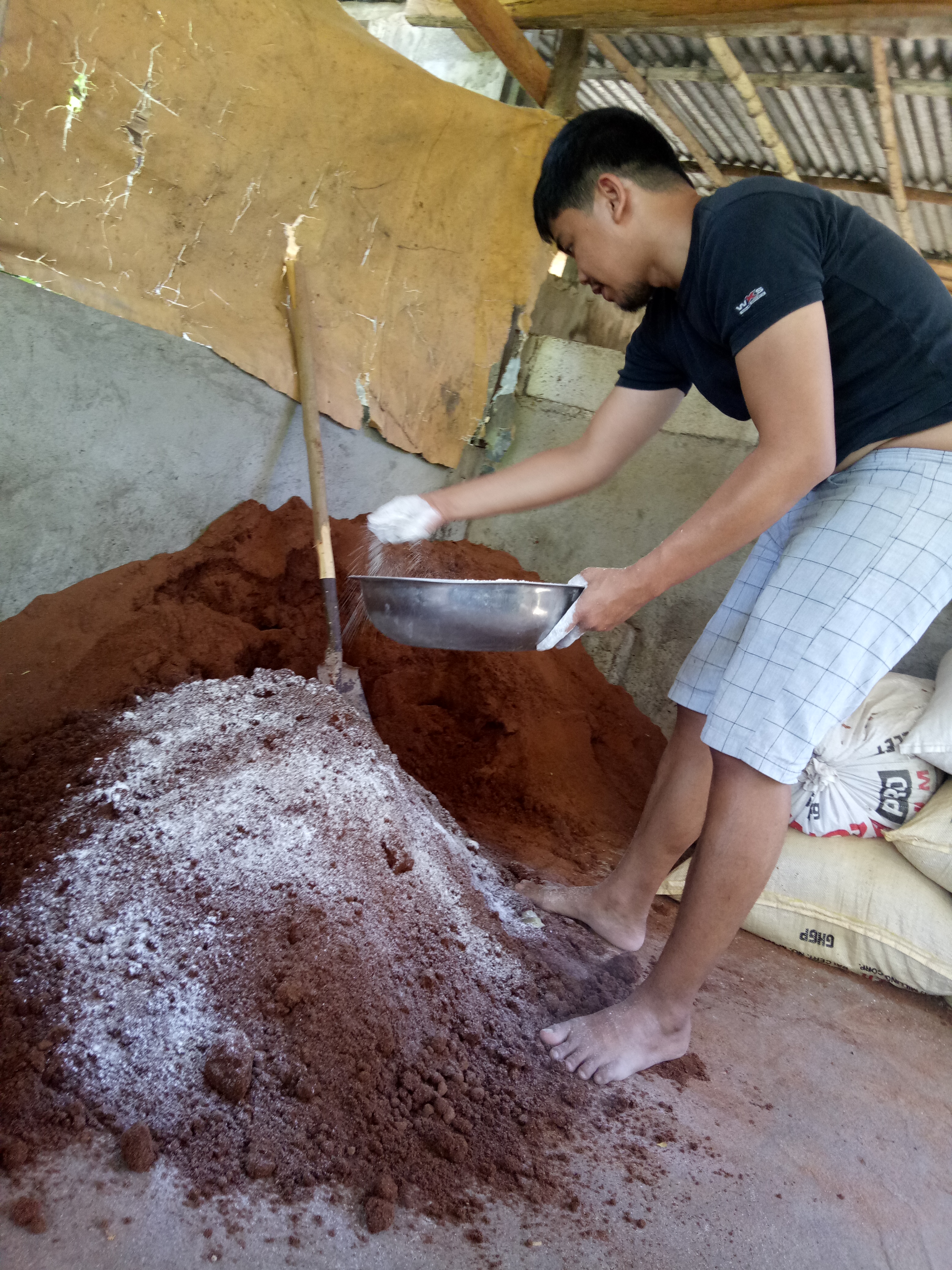
Instead of spending money on other materials needed, she used her already available resources. “We use wood as fuel for sterile substrates and steel drums where we boil them.”
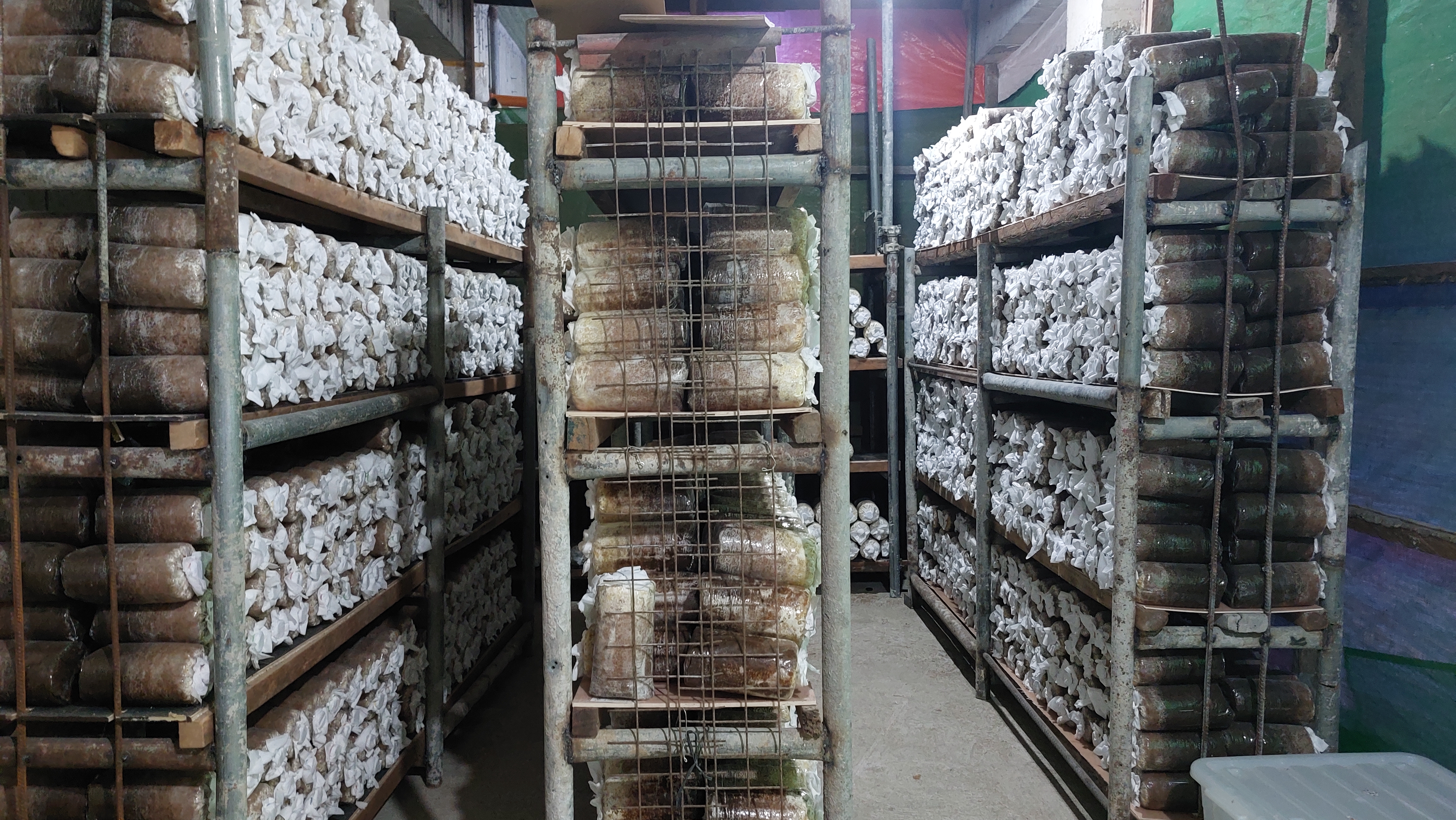
Substrate is a blend of natural products used to grow mushrooms. In Angeline’s case, she uses sawdust, rice bran molasses, and agricultural lime because these ingredients are accessible and have plenty of suppliers near her area.
A lot on the menu
Angeline admitted that she only established the business as a hobby; she only tried to determine whether it would succeed or not. But Angeline was surprised when she was able to sustain the business, which serves as her primary source of income.
“We specialize in the consistent production of premium mushroom fruiting bags, ensuring a continuous supply of fresh oyster mushrooms and different processed mushroom products like mushroom chicharon, mushroom tocino, mushroom tapa, mushroom sisig, and mushroom shanghai,” Angeline said.
“Aside from the passion we put into it, we prioritize fulfilling our customers' needs by delivering quality fresh oyster mushrooms and reliable mushroom fruiting bags.” This is what Angeline believed sets SF Mushroom Farm apart from other mushroom growers and businesses.
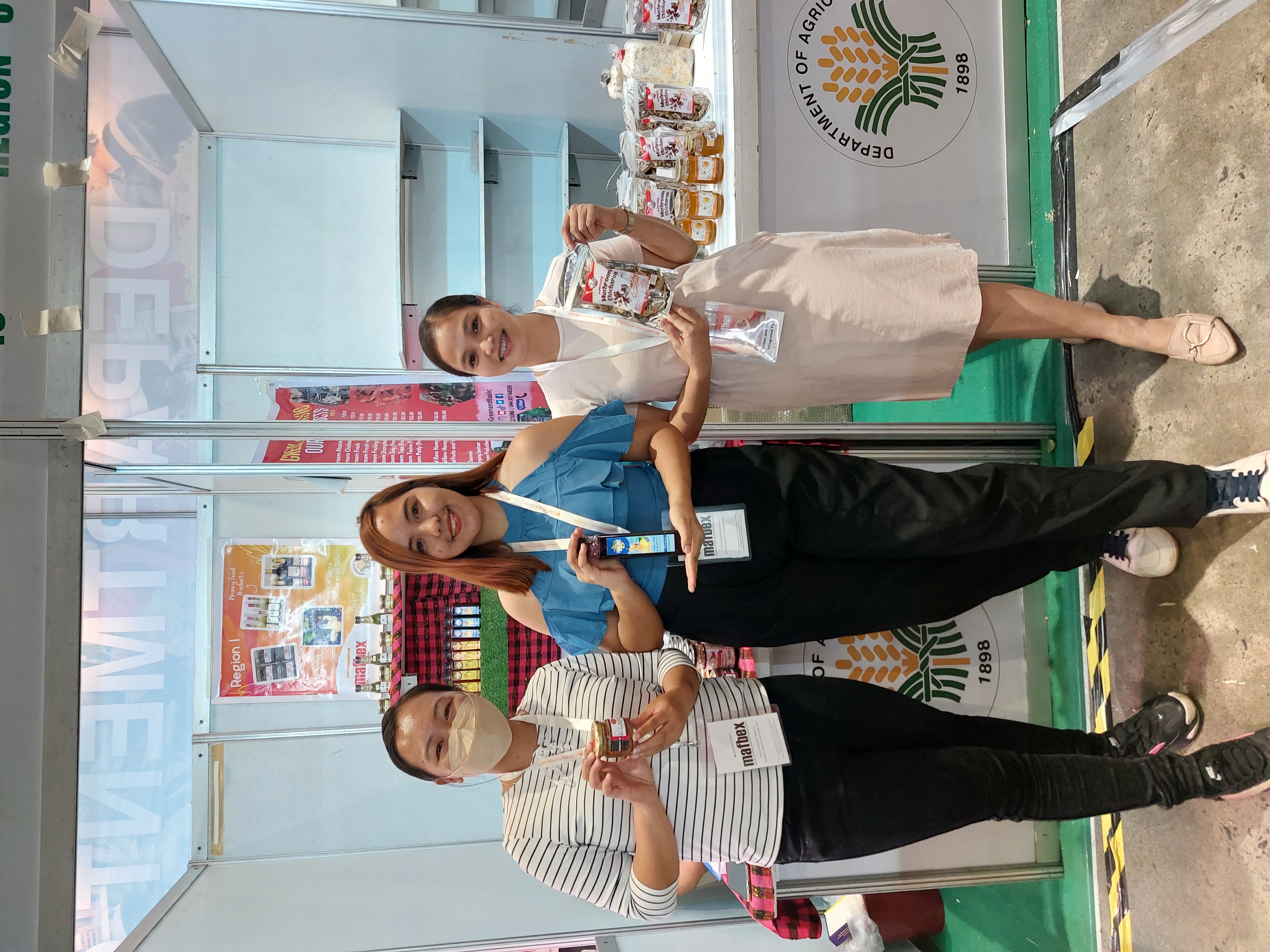
The regular customers of SF Mushroom Farm are schools for their Gulayan sa Paaralan (a Department of Education school garden project), home growers and enthusiasts, commercial growers, and local government units that purchase oyster mushroom fruiting bags. Angeline is also thankful to the local government unit (LGU), which supports her mushroom business and consistently orders oyster mushroom chips and distributes them as a token and giveaway.
Growers helping each other
Angeline said that what made SF Mushroom Farm successful and continuously thriving are the lessons she acquired from the past years and the challenges she overcame.
She said that mushroom pests and diseases challenged her when she was beginning with mushroom growing, but Angeline said that instead of overcoming this alone, she sought the help of local mushroom growers and asked for advice on how to cure, eliminate, and prevent infestation in the mushroom farm.
Another challenge she cannot forget is when the pandemic happened. “SF Mushroom Farm was nearing taking off last 2020, but then, because of the pandemic, my business was not able to achieve its goal of mushroom recognition and expand the market,” Angeline said. Her customer outside her mushroom area was not able to reach her and purchase her products, and vice versa.
During the pandemic, Angeline made a lot of discoveries about mushroom farming, which helped her bounce back from the failure and struggle she encountered the same year. “Instead of closing the business, I used the time spent at home during the pandemic to think of ways to innovate. That time, I discovered mushroom sisig, which I enhanced over time and now became our customer’s favorite.”
She also said that she appreciated mushrooms during the pandemic and the importance of having mushroom fruiting bags at home. Since people had limited access to markets, Angeline said that mushrooms are a great substitute for meat, and because of mushrooms’ versatility, they can serve as ingredients in many dishes.
Specializing marketing
Angeline also said that moving to her farm and production area in 2021 was a challenge. She said that since the business was slowly expanding, she needed to hire more people since mushroom growing is labor intensive.
A private organization in San Jose del Monte, Bulacan, reached out to SF Mushroom Farm to help Angeline delegate members of the organization who lost their jobs because of the pandemic to work on the farm and in the production area so they will have a source of income.
Angeline said that she made sure that she trained all the people working on the mushroom farm to maintain the high quality of the products. She added that she is glad to partner with this organization as it brings opportunities to a lot of individuals who are now working as purchasers, composters, baggers, steamers, inoculators, and growers at SF Mushroom Farm.
She is currently focused on the marketing side of the business, where she maximizes digital media to promote and market the mushroom products.
Digital space in agribusiness
“Social media was very helpful to SF Mushroom Farm. It is an advantage for small businesses, like us, to be visible in the digital space. It serves as a platform to reach out to people, and this is where my clients discover my business,” Angeline said.
Angeline stated that SF Mushroom Farm is present on both Facebook and Google. “We found out that when people search for mushrooms, when posts and pages appear, our business is included in the results. We are part of what audiences see, especially those who are interested in mushrooms,” she said.
As marketing manager, Angeline said that she makes sure her Facebook page has regular postings. Since the page was created in 2019, she has identified audiences and trusted online buyers. She also added that her reach and engagements were organic, and she did not pay for advertisements. When people online encounter her page, she is confident that they will find it credible because of her consistent postings and interactions, which can later turn into sales.
“Sales are terrific, our customers are happy, production is continuous, and we are thriving even in the most challenging times,” Angeline said, saying that she is content already.
She said that she is fulfilled now that she was able to sustain SF Mushroom Farm and that she served as an instrument for other people to have jobs and make money through mushroom farming. Angeline added that she always looks in the future with enthusiasm, knowing that the farm will be able to produce good outputs and benefit consumers with the benefits of her mushroom products.
She hoped that other people would also consider mushroom farming as a business because it has high demand, is profitable, has nutritional value, and is sustainable.
Photos by Angeline Sarmineto Fraginal