







Cebu Pacific confident of 2024 growth


Despite the foreseen hurdles brought about by the grounding of a portion of its aircraft next year, Gokongwei-owned low-cost carrier (LCC) Cebu Pacific (CEB) affirmed its confidence in hitting its eight percent overall growth target for 2024.
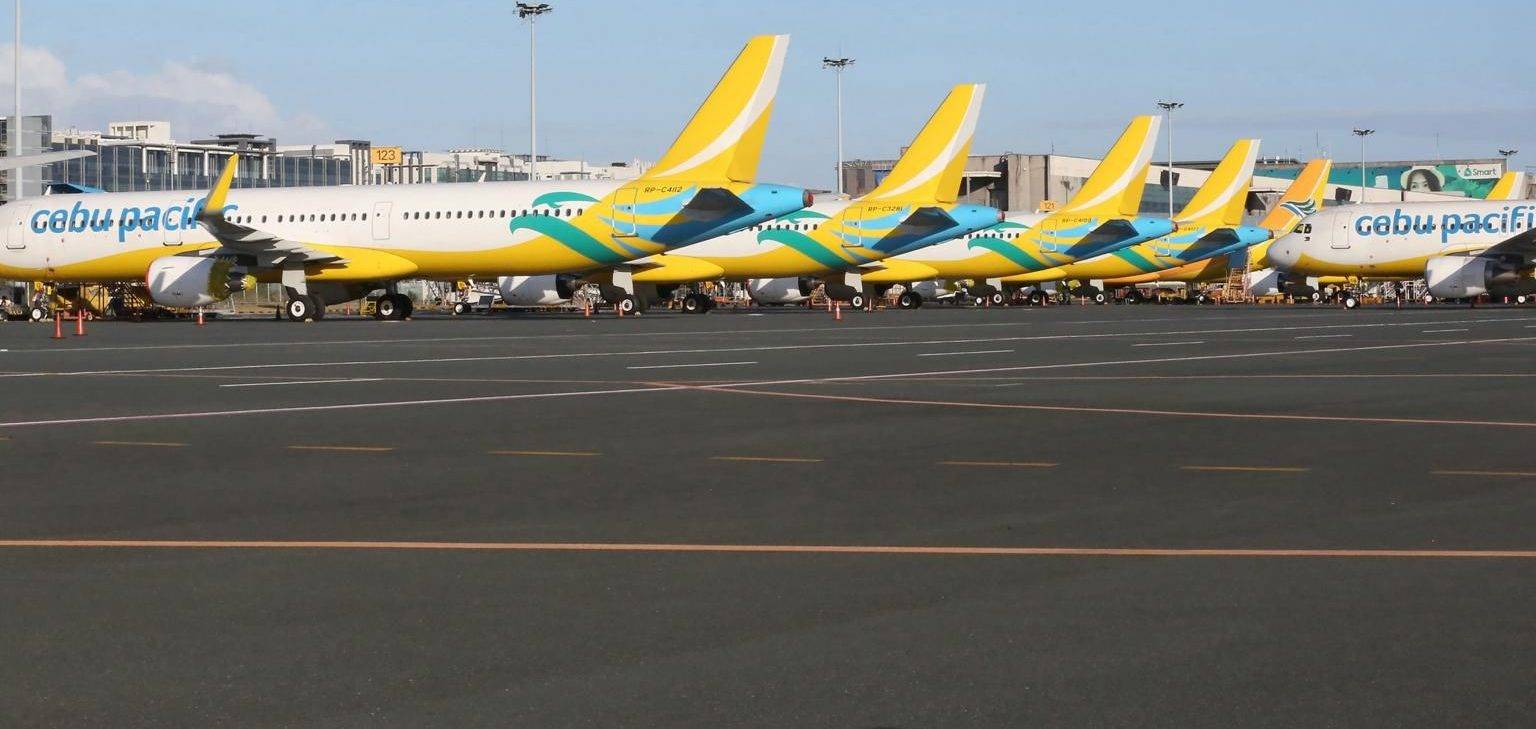
CEB President and Chief Commercial Officer Xander Lao told reporters that 2024 will be a "challenging year from a fleet point of view," but the airline is "more prepared for it today."
"If anything, we will continue to grow next year. If you take a look at other operators with the same kind of issues, I think it will be very difficult for those operators to grow or maintain their growth. The fact that we are able to grow is a testament to the work that is being done by the teams internally," said Lao.
It can be recalled that the airline previously announced the initial grounding of 10 to 20 aircraft starting January 2024 due to early inspections and replacement activities of the Pratt and Whitney (P&W) engines that power the A320/321 new engine option (NEO) fleet.
CEB Chief Marketing and Customer Experience Officer Candice Iyog added that the airline's ability to manage the constraints and hopefully reach the eight percent growth target is a "feat in itself."
Iyog highlighted that they won't focus too much on the grounded aircraft since these are "uncontrollable factors."
She noted that the exact number of down airplanes will be determined depending on the outcomes of the P&W operations.
Instead, they will focus on ways to mitigate the impact of the lessened fleet such as the recently signed short-term lease agreements with Bulgaria Air for two Airbus 320 CEO aircrafts.
Lao disclosed that the airline has about P50 billion for its capital expenditures for next year, majority of which will be used for acquisition of aircraft. To reach their 92 total aircraft target for 2024, 16 Airbus planes are expected to be delivered throughout next year.
He explained that CEB will "make the best financial decision" amid their talks with original equipment manufacturers (OEMs) like Airbus and Boeing, with finalized processes expected by the first quarter of 2024.
"If anything, I think what we’ve done consistently is we’ve really tried to stick with the low-cost business model. So regardless if its Airbus or Boeing, we wanna make sure it has the lowest cost receipt, lower cost in scale, to get the most efficient engines," he said.
Lao also mentioned exploring potential ways to "get our fleet from China, from the Airbus assembly line," as some pop-ups can perhaps become available.
"Even though we’re going to have quite a number of aircraft grounded, I think maybe some benefits are, one, we’re able to plan and see ahead, we can pace our standby coverage. We’ve already rationalized the coverage to reflect those reductions in the fleet. We’ve also added the aircraft resiliencies in terms of increased pairs. We’ve changed our customer policies to address it," he added.
Moreover, since the airline has opted to pause planned expansions in the long-haul market, Lao said it will upgrade services to A330 in domestic destinations like Cebu, Davao, General Santos, and short-haul international destinations like Hong Kong, Bangkok, and Incheon instead.
"The reason we’re doing all of these efforts is, it’s not because we want to fly 2,700 flights. It’s about, the more flights, the more seats, the lower the fares. That’s really our promise as an LCC. How can we make sure that, despite these uncontrollable industry challenges that we’re facing, [we can] preserve and grow capacity in our network so that we can ensure that the fares stay low to give people more access," said Iyog.
Despite reaching 103 percent of the pre-Covid capacity on a systemwide basis, Lao admitted that the airline may not hit the 22 million pre-pandemic passenger count target for the year given the P&W-related issues, but it is a goal they have set.
"If we grow by eight percent, normally we will try to grow our pax by 10 percent. So let’s see if we can hit 24 million pax by next year," he said.