

ADVERTISEMENT

How this swim trunk can save you

Industrial Design grad creates anti-drowning swimwear

Published Dec 1, 2023 06:12 pm

At A Glance

  • 'More than 3,000 people die annually in the Philippines due to drowning. In 2018, eight out of 10 victims were men.'
1.jpg
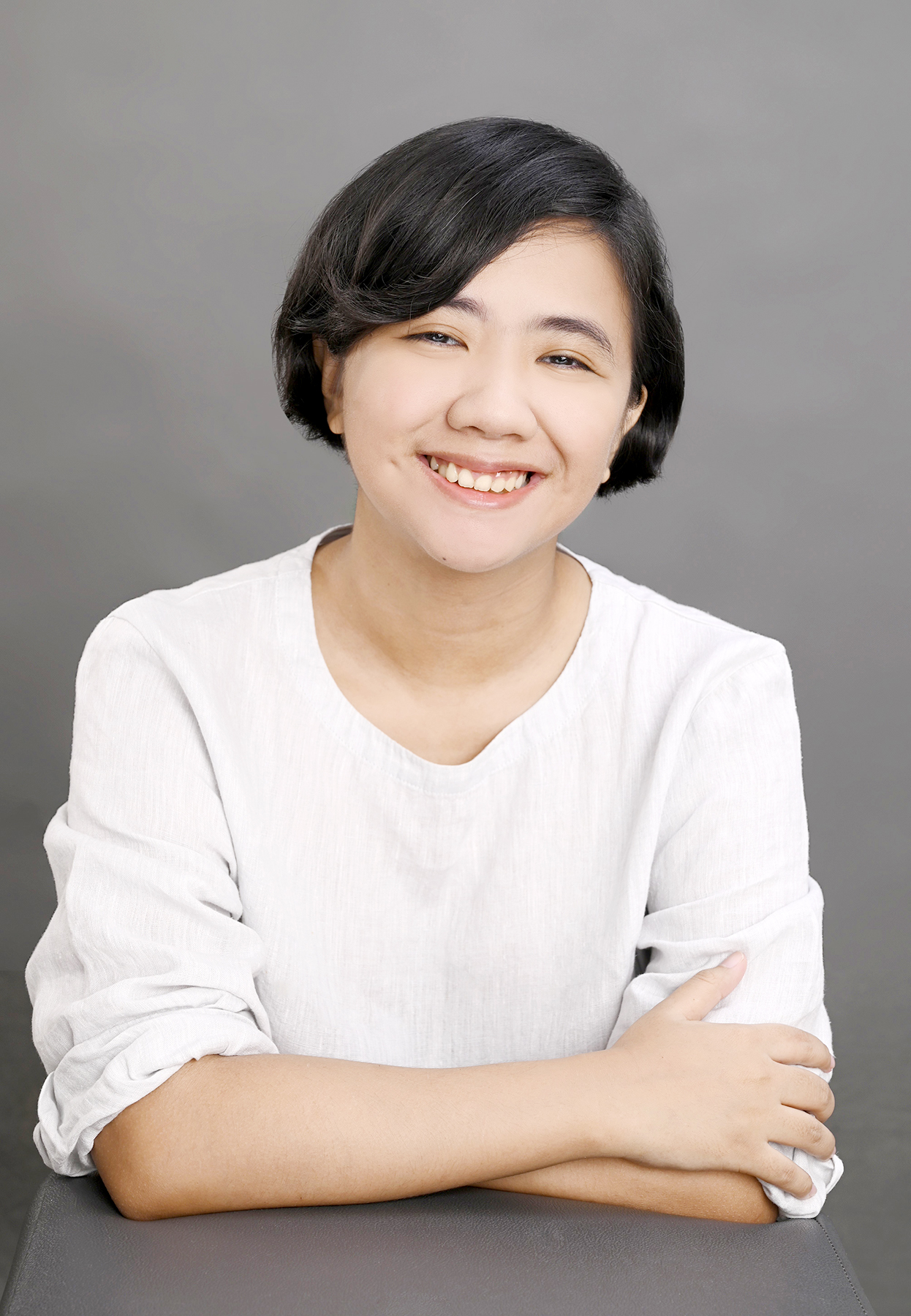
MEET THE DESIGNER De La Salle-College of Saint Benilde Industrial Design alumna Ira Hisanan

With drowning as a serious public issue, 23-year-old Filipino student Ira Hisanan has created men’s swimwear with a built-in floatation mechanism. 
Dubbed as Walrus, the design innovation took inspiration from the eponymous marine animal whose air sacs along its neck serve as life preservers for sleeping in oceans. 


“More than 3,000 people die annually in the Philippines due to drowning. In 2018, eight out of 10 victims were men,” says Hisanan. “When I was brainstorming for my thesis, a family story resurfaced—the tale of how my uncle saved my dad from narrowly drowning just before I was born. This also triggered memories of my own near-drowning experiences.”


During her research, the young trailblazer noted that males between the ages of 15 to 49 often dwell in aquatic hobbies, join alcohol-induced activities, and engage in risk-taking behavior.


She understood that the preventive method is to encourage the use of Personal Floatation Devices (PFDs). But she considered how it was also viewed as bulky, uncomfortable, and, most of all, costly. 
With this in mind, the Industrial Design undergrad from De La Salle-College of Saint Benilde (DLS-CSB) investigated the problem through the lens of leisure and recreation. 


“This perspective sparked an idea: What if we could integrate life-saving features into the clothes for water activities?” she beams. “Imagine people enjoying and suddenly finding themselves in danger. If their outfit had built-in rescue tools, lives could be saved.”


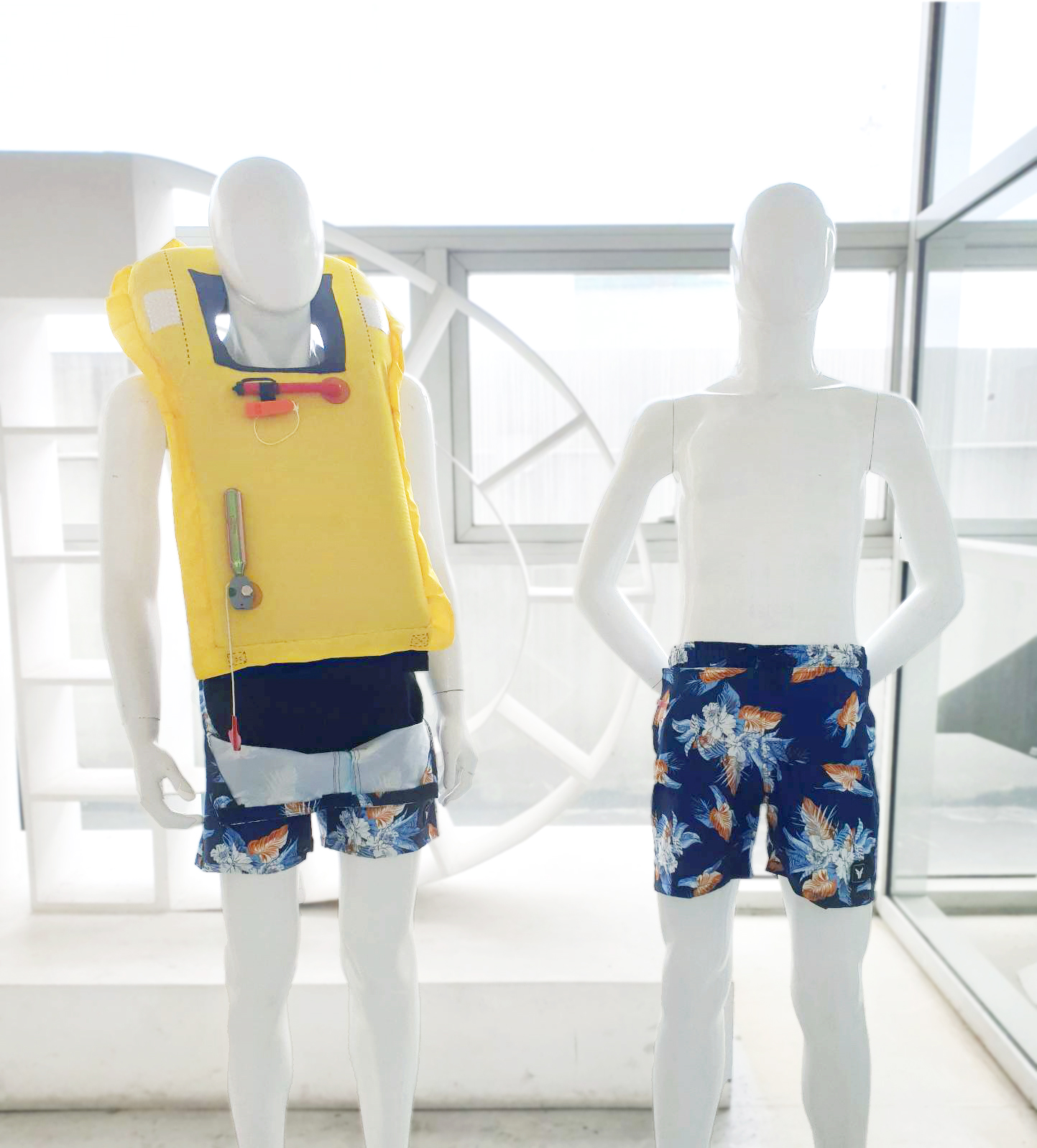
She focused on providing buoyancy around the lower extremities of the wearer. The finished output is an unobtrusive floatation device seamlessly designed into a swim trunk. With a pull of a tab, an inflatable bladder is activated and can be used to grab onto or worn over the neck. 
2.jpg
STYLE MEETS SAFETY A prototype of Walrus shows how the designer intends to integrate the use of Personal Floatation Devices (PFDs) into swimming trunks


The finished product comes in various sizes and nature-inspired color variations. The inflatable bladder is likewise detachable for easy wash and maintenance. It is complete with accessories for increased visibility and adjustment. 
“Walrus helps the public enjoy water-based activities to the fullest while giving them accessible buoyance during emergencies,” Hisanan explains. “Even those who do not usually bother with such safety gear might find it a game-changer. My goal is to blend safety with fun, giving rise to innovative solutions that could make a real difference when least expected.” 


Her capstone project Walrus nabbed the Best Thesis Award, following the criteria of the World Design Organization, a globally recognized non-governmental network that champions the power of industrial design in enhancing economic, social, cultural, and environmental quality of life.


Related Tags

De La Salle College of Saint Benilde Ira Hisanan
ADVERTISEMENT
.most-popular .layout-ratio{ padding-bottom: 79.13%; } @media (min-width: 768px) and (max-width: 1024px) { .widget-title { font-size: 15px !important; } }

{{ articles_filter_1561_widget.title }}

.most-popular .layout-ratio{ padding-bottom: 79.13%; } @media (min-width: 768px) and (max-width: 1024px) { .widget-title { font-size: 15px !important; } }

{{ articles_filter_1562_widget.title }}

.most-popular .layout-ratio{ padding-bottom: 79.13%; } @media (min-width: 768px) and (max-width: 1024px) { .widget-title { font-size: 15px !important; } }

{{ articles_filter_1563_widget.title }}

{{ articles_filter_1564_widget.title }}

.mb-article-details { position: relative; } .mb-article-details .article-body-preview, .mb-article-details .article-body-summary{ font-size: 17px; line-height: 30px; font-family: "Libre Caslon Text", serif; color: #000; } .mb-article-details .article-body-preview iframe , .mb-article-details .article-body-summary iframe{ width: 100%; margin: auto; } .read-more-background { background: linear-gradient(180deg, color(display-p3 1.000 1.000 1.000 / 0) 13.75%, color(display-p3 1.000 1.000 1.000 / 0.8) 30.79%, color(display-p3 1.000 1.000 1.000) 72.5%); position: absolute; height: 200px; width: 100%; bottom: 0; display: flex; justify-content: center; align-items: center; padding: 0; } .read-more-background a{ color: #000; } .read-more-btn { padding: 17px 45px; font-family: Inter; font-weight: 700; font-size: 18px; line-height: 16px; text-align: center; vertical-align: middle; border: 1px solid black; background-color: white; } .hidden { display: none; }
function initializeAllSwipers() { // Get all hidden inputs with cms_article_id document.querySelectorAll('[id^="cms_article_id_"]').forEach(function (input) { const cmsArticleId = input.value; const articleSelector = '#article-' + cmsArticleId + ' .body_images'; const swiperElement = document.querySelector(articleSelector); if (swiperElement && !swiperElement.classList.contains('swiper-initialized')) { new Swiper(articleSelector, { loop: true, pagination: false, navigation: { nextEl: '#article-' + cmsArticleId + ' .swiper-button-next', prevEl: '#article-' + cmsArticleId + ' .swiper-button-prev', }, }); } }); } setTimeout(initializeAllSwipers, 3000); const intersectionObserver = new IntersectionObserver( (entries) => { entries.forEach((entry) => { if (entry.isIntersecting) { const newUrl = entry.target.getAttribute("data-url"); if (newUrl) { history.pushState(null, null, newUrl); let article = entry.target; // Extract metadata const author = article.querySelector('.author-section').textContent.replace('By', '').trim(); const section = article.querySelector('.section-info ').textContent.replace(' ', ' '); const title = article.querySelector('.article-title h1').textContent; // Parse URL for Chartbeat path format const parsedUrl = new URL(newUrl, window.location.origin); const cleanUrl = parsedUrl.host + parsedUrl.pathname; // Update Chartbeat configuration if (typeof window._sf_async_config !== 'undefined') { window._sf_async_config.path = cleanUrl; window._sf_async_config.sections = section; window._sf_async_config.authors = author; } // Track virtual page view with Chartbeat if (typeof pSUPERFLY !== 'undefined' && typeof pSUPERFLY.virtualPage === 'function') { try { pSUPERFLY.virtualPage({ path: cleanUrl, title: title, sections: section, authors: author }); } catch (error) { console.error('ping error', error); } } // Optional: Update document title if (title && title !== document.title) { document.title = title; } } } }); }, { threshold: 0.1 } ); function showArticleBody(button) { const article = button.closest("article"); const summary = article.querySelector(".article-body-summary"); const body = article.querySelector(".article-body-preview"); const readMoreSection = article.querySelector(".read-more-background"); // Hide summary and read-more section summary.style.display = "none"; readMoreSection.style.display = "none"; // Show the full article body body.classList.remove("hidden"); } document.addEventListener("DOMContentLoaded", () => { let loadCount = 0; // Track how many times articles are loaded const offset = [1, 2, 3, 4, 5, 6, 7, 8, 9, 10]; // Offset values const currentUrl = window.location.pathname.substring(1); let isLoading = false; // Prevent multiple calls if (!currentUrl) { console.log("Current URL is invalid."); return; } const sentinel = document.getElementById("load-more-sentinel"); if (!sentinel) { console.log("Sentinel element not found."); return; } function isSentinelVisible() { const rect = sentinel.getBoundingClientRect(); return ( rect.top < window.innerHeight && rect.bottom >= 0 ); } function onScroll() { if (isLoading) return; if (isSentinelVisible()) { if (loadCount >= offset.length) { console.log("Maximum load attempts reached."); window.removeEventListener("scroll", onScroll); return; } isLoading = true; const currentOffset = offset[loadCount]; window.loadMoreItems().then(() => { let article = document.querySelector('#widget_1690 > div:nth-last-of-type(2) article'); intersectionObserver.observe(article) loadCount++; }).catch(error => { console.error("Error loading more items:", error); }).finally(() => { isLoading = false; }); } } window.addEventListener("scroll", onScroll); });

Sign up by email to receive news.