

ADVERTISEMENT

DOH cautions public against 'walking pneumonia'

Published Dec 1, 2023 01:16 pm

The Department of Health (DOH) has intensified monitoring efforts in response to a surge in respiratory illnesses in China linked to the increased relaxation of Covid-19 restrictions and the onset of winter.
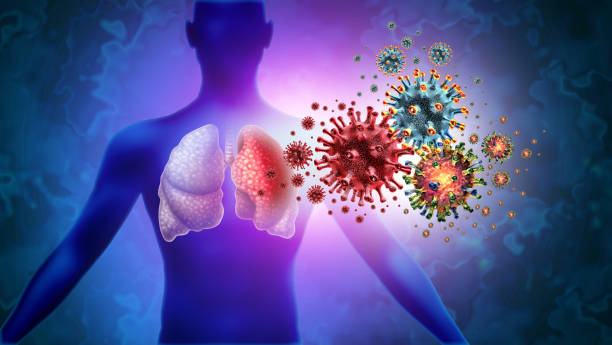
UNSPLASH.jpg
(Unsplash)

The China National Health Commission reported that among the affected individuals, some were found to be carrying mycoplasma pneumoniae, colloquially known as "walking pneumonia," with a higher incidence observed among children.


Addressing concerns about the nature of Mycoplasma pneumoniae, DOH-Bureau of Local Health Development and National Epidemiology Center Director Eric Tayag explained: "Isang uri ito ng bacteria na tinatawag na Mycoplasma, na ang resulta kapag tumama sa tao, ay magkakaroon siya ng pneumonia o kaya ‘yung iba, tracheobronchitis (This is a type of bacteria called Mycoplasma that, when it infects a person, will result in pneumonia, or in some cases, tracheobronchitis)."


Tayag stated that community-acquired pneumonia, attributed to this bacterium, accounts for 40 percent of cases in past surveys.


"Now, it is referred to as walking pneumonia, and for someone with a Mycoplasma pneumoniae infection, their condition may appear normal, but when you have it X-rayed, you will be alarmed by what you see in the X-ray," Tayag said in an interview on One PH-One Balita Pilipinas on Nov. 30.


Tayag emphasized that, in contrast to other severe pneumonia types requiring immediate hospitalization, "walking pneumonia" does not demand "urgent medical attention."


However, Tayag expressed concerns about antibiotic resistance due to the bacterial nature of this infection.


He noted challenges in treating children under eight years old with antibiotics and underscored a 90 percent antibiotic resistance in China.


"So, ibig sabihin, hindi ubra ‘yung antibiotic kaya maraming na-ospital, at sa atin, kulang-kulang yung datos natin kasi hindi naman routine na pinapa-test sa doctor natin (it means the antibiotic doesn't work, which is why many end up in hospitals, and in our case, our data is insufficient because testing is not routinely done by our doctors)," he pointed out.
Tayag also underscored the scarcity of data in the Philippines due to the lack of routine testing.


Government plans and testing


Regarding government plans to contain and identify pneumonia types, Tayag stressed the need to identify the specific pneumonia strain before administering antibiotics.


He noted that testing is available at the Research Institute for Tropical Medicine (RITM), and although there is a cost associated, RITM provides it for free.


On the other hand, Tayag acknowledged that reported cases in the Philippines may not solely be due to mycoplasma pneumoniae.


This approach is aligned with the call of the World Health Organization (WHO) for detailed reporting to enhance preparedness.


Prevention


As this developed, Tayag called for public caution, which includes mask-wearing and staying home when symptomatic.


Tayag said that testing is advised if symptoms persist. He also highlighted the importance of distinguishing between Mycoplasma pneumoniae and Covid-19 through testing.


Meanwhile, he urged seniors to get influenza vaccinations and continue wearing masks.


Moreover, Tayag noted that individuals with symptoms should stay home and get tested.

 He also hoped for sustained high immunity despite decreasing vaccine effectiveness.


"We hope that our immunity will remain high even after the vaccination because we know that when we get infected, we will have an antibody response. 'Pag ganun, ay parang nabakunaan ka rin ulit (In that case, it's like being vaccinated again)," he explained.


Tayag attributed the rise in pneumonia cases, including walking pneumonia, to eased restrictions, reduced exposure to viruses, and weakening immune systems.


Moreover, he confirmed a rise in pneumonia cases in children not only in China but also in the Netherlands.


The DOH advised proactive testing to determine the presence of walking pneumonia and advocated various preventive measures to curb its spread.

Related Tags

pneumonia DOH
ADVERTISEMENT
.most-popular .layout-ratio{ padding-bottom: 79.13%; } @media (min-width: 768px) and (max-width: 1024px) { .widget-title { font-size: 15px !important; } }

{{ articles_filter_1561_widget.title }}

.most-popular .layout-ratio{ padding-bottom: 79.13%; } @media (min-width: 768px) and (max-width: 1024px) { .widget-title { font-size: 15px !important; } }

{{ articles_filter_1562_widget.title }}

.most-popular .layout-ratio{ padding-bottom: 79.13%; } @media (min-width: 768px) and (max-width: 1024px) { .widget-title { font-size: 15px !important; } }

{{ articles_filter_1563_widget.title }}

{{ articles_filter_1564_widget.title }}

.mb-article-details { position: relative; } .mb-article-details .article-body-preview, .mb-article-details .article-body-summary{ font-size: 17px; line-height: 30px; font-family: "Libre Caslon Text", serif; color: #000; } .mb-article-details .article-body-preview iframe , .mb-article-details .article-body-summary iframe{ width: 100%; margin: auto; } .read-more-background { background: linear-gradient(180deg, color(display-p3 1.000 1.000 1.000 / 0) 13.75%, color(display-p3 1.000 1.000 1.000 / 0.8) 30.79%, color(display-p3 1.000 1.000 1.000) 72.5%); position: absolute; height: 200px; width: 100%; bottom: 0; display: flex; justify-content: center; align-items: center; padding: 0; } .read-more-background a{ color: #000; } .read-more-btn { padding: 17px 45px; font-family: Inter; font-weight: 700; font-size: 18px; line-height: 16px; text-align: center; vertical-align: middle; border: 1px solid black; background-color: white; } .hidden { display: none; }
function initializeAllSwipers() { // Get all hidden inputs with cms_article_id document.querySelectorAll('[id^="cms_article_id_"]').forEach(function (input) { const cmsArticleId = input.value; const articleSelector = '#article-' + cmsArticleId + ' .body_images'; const swiperElement = document.querySelector(articleSelector); if (swiperElement && !swiperElement.classList.contains('swiper-initialized')) { new Swiper(articleSelector, { loop: true, pagination: false, navigation: { nextEl: '#article-' + cmsArticleId + ' .swiper-button-next', prevEl: '#article-' + cmsArticleId + ' .swiper-button-prev', }, }); } }); } setTimeout(initializeAllSwipers, 3000); const intersectionObserver = new IntersectionObserver( (entries) => { entries.forEach((entry) => { if (entry.isIntersecting) { const newUrl = entry.target.getAttribute("data-url"); if (newUrl) { history.pushState(null, null, newUrl); let article = entry.target; // Extract metadata const author = article.querySelector('.author-section').textContent.replace('By', '').trim(); const section = article.querySelector('.section-info ').textContent.replace(' ', ' '); const title = article.querySelector('.article-title h1').textContent; // Parse URL for Chartbeat path format const parsedUrl = new URL(newUrl, window.location.origin); const cleanUrl = parsedUrl.host + parsedUrl.pathname; // Update Chartbeat configuration if (typeof window._sf_async_config !== 'undefined') { window._sf_async_config.path = cleanUrl; window._sf_async_config.sections = section; window._sf_async_config.authors = author; } // Track virtual page view with Chartbeat if (typeof pSUPERFLY !== 'undefined' && typeof pSUPERFLY.virtualPage === 'function') { try { pSUPERFLY.virtualPage({ path: cleanUrl, title: title, sections: section, authors: author }); } catch (error) { console.error('ping error', error); } } // Optional: Update document title if (title && title !== document.title) { document.title = title; } } } }); }, { threshold: 0.1 } ); function showArticleBody(button) { const article = button.closest("article"); const summary = article.querySelector(".article-body-summary"); const body = article.querySelector(".article-body-preview"); const readMoreSection = article.querySelector(".read-more-background"); // Hide summary and read-more section summary.style.display = "none"; readMoreSection.style.display = "none"; // Show the full article body body.classList.remove("hidden"); } document.addEventListener("DOMContentLoaded", () => { let loadCount = 0; // Track how many times articles are loaded const offset = [1, 2, 3, 4, 5, 6, 7, 8, 9, 10]; // Offset values const currentUrl = window.location.pathname.substring(1); let isLoading = false; // Prevent multiple calls if (!currentUrl) { console.log("Current URL is invalid."); return; } const sentinel = document.getElementById("load-more-sentinel"); if (!sentinel) { console.log("Sentinel element not found."); return; } function isSentinelVisible() { const rect = sentinel.getBoundingClientRect(); return ( rect.top < window.innerHeight && rect.bottom >= 0 ); } function onScroll() { if (isLoading) return; if (isSentinelVisible()) { if (loadCount >= offset.length) { console.log("Maximum load attempts reached."); window.removeEventListener("scroll", onScroll); return; } isLoading = true; const currentOffset = offset[loadCount]; window.loadMoreItems().then(() => { let article = document.querySelector('#widget_1690 > div:nth-last-of-type(2) article'); intersectionObserver.observe(article) loadCount++; }).catch(error => { console.error("Error loading more items:", error); }).finally(() => { isLoading = false; }); } } window.addEventListener("scroll", onScroll); });

Sign up by email to receive news.