

ADVERTISEMENT

Decor can be sustainable as seen in these 6 'Green Halloween' items

Published Nov 5, 2023 06:59 am

Despite Halloween being days behind us, remnants of the occasion still linger in the form of decorations. What's noteworthy this year is the growing embrace of a "Green Halloween" approach, acknowledging the environmental impact of our actions. In a world where the horrors of climate change loom large, this shift toward sustainability couldn't be more timely.

As I went around during the Halloween season, I was heartened to witness more Filipinos embracing the spirit of sustainability. Halloween festivities have taken a greener turn with the emergence of zero-waste decorations. With global environmental awareness on the rise, even the spookiest season of the year is undergoing an eco-friendly transformation. 

From repurposing everyday items to creating eerie yet enchanting ornaments to crafting decor from natural, biodegradable materials, the "Green Halloween" initiative is as diverse as it is inspiring. 

Learn about these creative, zero-waste Halloween decorations that you can have in the next Halloween season so that you don’t only champion eco-friendliness but also bust the glaring horror that is climate change. 

1. Pumpkins 
Pumpkins.png

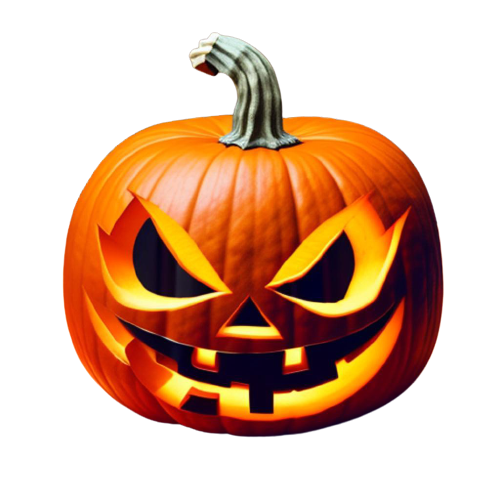
A timeless, zero-waste approach to Halloween is pumpkin carving. Organic pumpkin decorations are entirely biodegradable and compostable, reducing the need for single-use and non-recyclable decorations, thereby curbing post-holiday waste. 

2. Sustainable Candles 
Sustainable candles.png

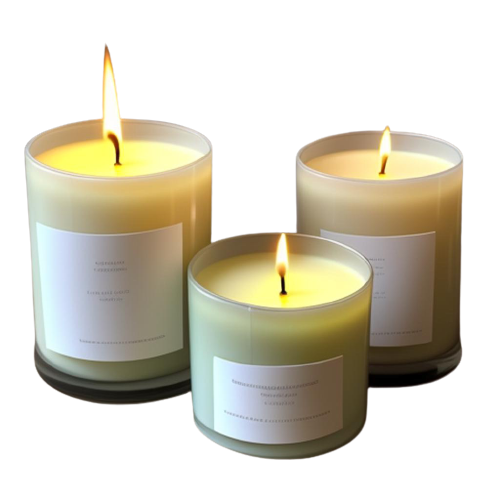
For a warm-toned Halloween ambiance, opt for soy or beeswax candles over petroleum-based paraffin candles. These alternatives burn cleaner and are more environmentally friendly. 

3. DIY Decorations

DIY decor.png

Unleash your creativity with DIY Halloween decorations using materials readily available at home. Craft unique projects such as paper spiders, bats, and cardboard tombstones for a sustainable and one-of-a-kind home adornment. 

4. Mason Jars 
Mason jars.png

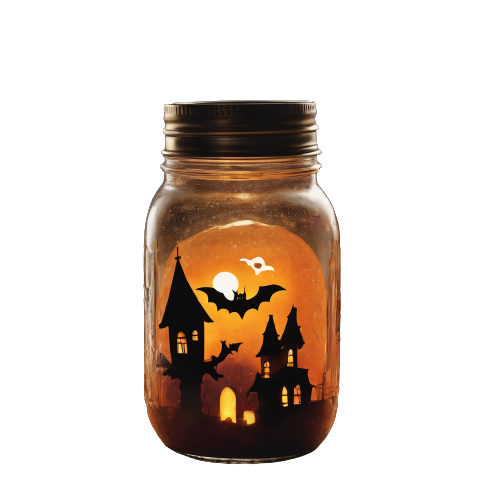
Repurpose old glass jars into spooky lanterns by decorating them with Halloween-themed designs or eerie faces. Place a tea light candle inside for a ghostly ambiance. 

5. Eco-Friendly Yarn
Eco-friendly yarn.png

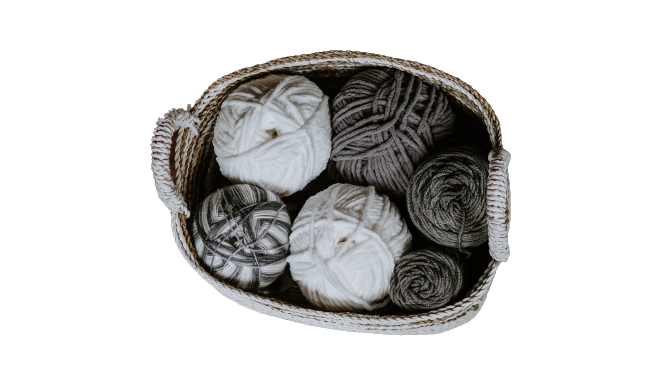
Yarn made from animal fibers like alpaca and wool offers both renewability and biodegradability. These eco-friendly materials can be creatively used to craft spider webs, adding an environmentally conscious touch to your Halloween decor. 

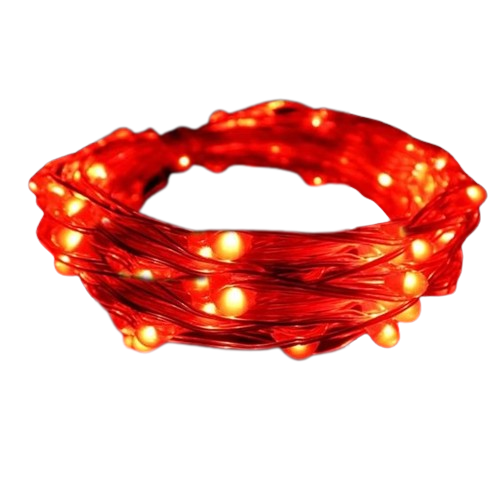
6. LED String Lights
LED string lights.png

Invest in high-quality LED string lights that can endure multiple holidays without needing replacement. LED lights are known for their energy efficiency. A red string light hung from the ceiling can create an eerie Halloween atmosphere. 

From the classic art of pumpkin carving to choosing sustainable candles and engaging in creative DIY projects, the opportunities to minimize waste and embrace an eco-conscious Halloween are boundless. Opting for zero-waste decorations allows us to revel in a spooky holiday while actively contributing to a healthier planet. 

In a world increasingly focused on environmental concerns, it's crucial to extend our eco-friendly practices to every aspect of our lives, including our festive traditions. Let's establish green celebrations as an enduring tradition for Halloween month, safeguarding the Earth for generations yet to come.

Related Tags

MBEnvironment
ADVERTISEMENT
.most-popular .layout-ratio{ padding-bottom: 79.13%; } @media (min-width: 768px) and (max-width: 1024px) { .widget-title { font-size: 15px !important; } }

{{ articles_filter_1561_widget.title }}

.most-popular .layout-ratio{ padding-bottom: 79.13%; } @media (min-width: 768px) and (max-width: 1024px) { .widget-title { font-size: 15px !important; } }

{{ articles_filter_1562_widget.title }}

.most-popular .layout-ratio{ padding-bottom: 79.13%; } @media (min-width: 768px) and (max-width: 1024px) { .widget-title { font-size: 15px !important; } }

{{ articles_filter_1563_widget.title }}

{{ articles_filter_1564_widget.title }}

.mb-article-details { position: relative; } .mb-article-details .article-body-preview, .mb-article-details .article-body-summary{ font-size: 17px; line-height: 30px; font-family: "Libre Caslon Text", serif; color: #000; } .mb-article-details .article-body-preview iframe , .mb-article-details .article-body-summary iframe{ width: 100%; margin: auto; } .read-more-background { background: linear-gradient(180deg, color(display-p3 1.000 1.000 1.000 / 0) 13.75%, color(display-p3 1.000 1.000 1.000 / 0.8) 30.79%, color(display-p3 1.000 1.000 1.000) 72.5%); position: absolute; height: 200px; width: 100%; bottom: 0; display: flex; justify-content: center; align-items: center; padding: 0; } .read-more-background a{ color: #000; } .read-more-btn { padding: 17px 45px; font-family: Inter; font-weight: 700; font-size: 18px; line-height: 16px; text-align: center; vertical-align: middle; border: 1px solid black; background-color: white; } .hidden { display: none; }
function initializeAllSwipers() { // Get all hidden inputs with cms_article_id document.querySelectorAll('[id^="cms_article_id_"]').forEach(function (input) { const cmsArticleId = input.value; const articleSelector = '#article-' + cmsArticleId + ' .body_images'; const swiperElement = document.querySelector(articleSelector); if (swiperElement && !swiperElement.classList.contains('swiper-initialized')) { new Swiper(articleSelector, { loop: true, pagination: false, navigation: { nextEl: '#article-' + cmsArticleId + ' .swiper-button-next', prevEl: '#article-' + cmsArticleId + ' .swiper-button-prev', }, }); } }); } setTimeout(initializeAllSwipers, 3000); const intersectionObserver = new IntersectionObserver( (entries) => { entries.forEach((entry) => { if (entry.isIntersecting) { const newUrl = entry.target.getAttribute("data-url"); if (newUrl) { history.pushState(null, null, newUrl); let article = entry.target; // Extract metadata const author = article.querySelector('.author-section').textContent.replace('By', '').trim(); const section = article.querySelector('.section-info ').textContent.replace(' ', ' '); const title = article.querySelector('.article-title h1').textContent; // Parse URL for Chartbeat path format const parsedUrl = new URL(newUrl, window.location.origin); const cleanUrl = parsedUrl.host + parsedUrl.pathname; // Update Chartbeat configuration if (typeof window._sf_async_config !== 'undefined') { window._sf_async_config.path = cleanUrl; window._sf_async_config.sections = section; window._sf_async_config.authors = author; } // Track virtual page view with Chartbeat if (typeof pSUPERFLY !== 'undefined' && typeof pSUPERFLY.virtualPage === 'function') { try { pSUPERFLY.virtualPage({ path: cleanUrl, title: title, sections: section, authors: author }); } catch (error) { console.error('ping error', error); } } // Optional: Update document title if (title && title !== document.title) { document.title = title; } } } }); }, { threshold: 0.1 } ); function showArticleBody(button) { const article = button.closest("article"); const summary = article.querySelector(".article-body-summary"); const body = article.querySelector(".article-body-preview"); const readMoreSection = article.querySelector(".read-more-background"); // Hide summary and read-more section summary.style.display = "none"; readMoreSection.style.display = "none"; // Show the full article body body.classList.remove("hidden"); } document.addEventListener("DOMContentLoaded", () => { let loadCount = 0; // Track how many times articles are loaded const offset = [1, 2, 3, 4, 5, 6, 7, 8, 9, 10]; // Offset values const currentUrl = window.location.pathname.substring(1); let isLoading = false; // Prevent multiple calls if (!currentUrl) { console.log("Current URL is invalid."); return; } const sentinel = document.getElementById("load-more-sentinel"); if (!sentinel) { console.log("Sentinel element not found."); return; } function isSentinelVisible() { const rect = sentinel.getBoundingClientRect(); return ( rect.top < window.innerHeight && rect.bottom >= 0 ); } function onScroll() { if (isLoading) return; if (isSentinelVisible()) { if (loadCount >= offset.length) { console.log("Maximum load attempts reached."); window.removeEventListener("scroll", onScroll); return; } isLoading = true; const currentOffset = offset[loadCount]; window.loadMoreItems().then(() => { let article = document.querySelector('#widget_1690 > div:nth-last-of-type(2) article'); intersectionObserver.observe(article) loadCount++; }).catch(error => { console.error("Error loading more items:", error); }).finally(() => { isLoading = false; }); } } window.addEventListener("scroll", onScroll); });

Sign up by email to receive news.