







Gov't issues rules on telco, internet infra construction


At A Glance
- Based on the 23-page IRR, a unified application form will be adopted, in which a preformatted form of building permit applications shall be prescribed in all cities and municipalities in the country.
- Those applying for a building permit shall be required to submit property documents, technical documents, height clearance permits, homeowners association (HOA) clearance, and the unified application form.
Malacañang has released a copy of a joint memorandum circular that sets the rules and regulations of Executive Order (EO) No. 32, or the “Streamlining the Permitting Process for the Construction of Telecommunications and Internet Infrastructure.”
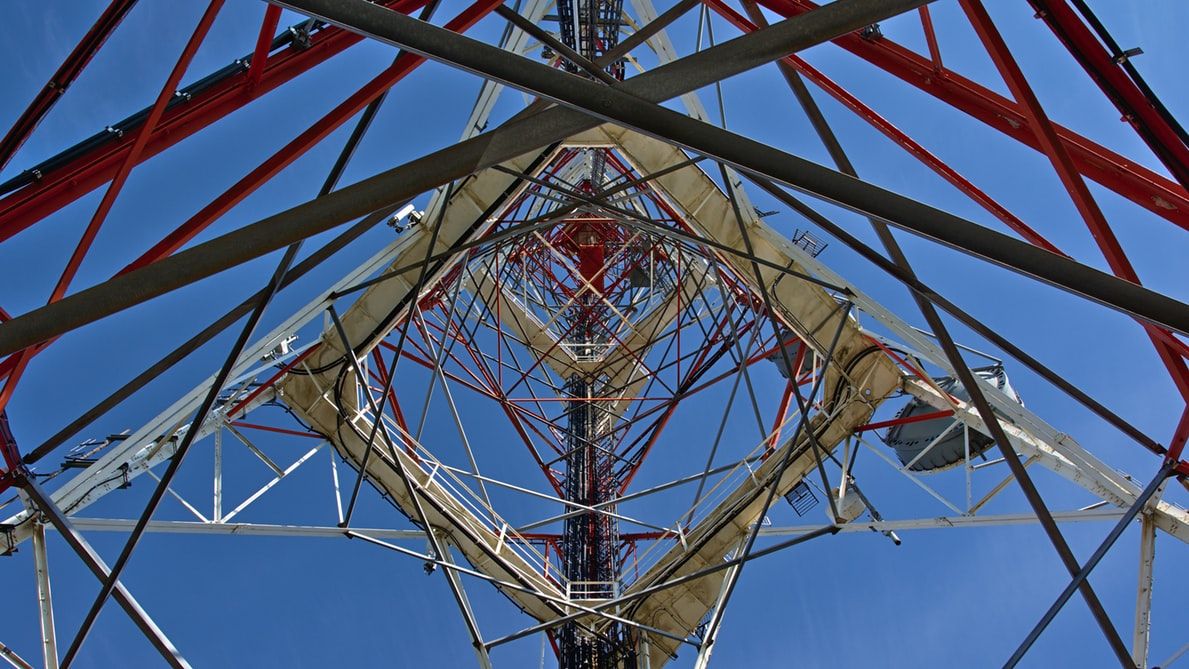
President Marcos Jr. issued EO No. 32 in July this year to institutionalize a set of streamlined guidelines for issuing permits, licenses, and certificates for the construction of telecommunications and internet infrastructure, including those relating to the installation, repair, operation, and maintenance of such infrastructures.
The EO mandated the creation of a technical working group (TWG) composed of the Department of Information and Communications Technology (DICT), Anti-Red Tape Authority (ARTA), National Telecommunications Commission (NTC), Department of Public Works and Highways (DPWH), and Department of the Interior and Local Government (DILG).
Based on the 23-page IRR, a unified application form will be adopted, in which a preformatted form of building permit applications shall be prescribed in all cities and municipalities in the country.
Those applying for a building permit shall be required to submit property documents, technical documents, height clearance permits, homeowners association (HOA) clearance, and the unified application form.
To secure a Certificate of Use and a Business or Mayor’s permit, applicants should submit the following, among others:
- Certificate of completion
- Construction logbook
- Photocopy of valid licenses
- Photograph of structure
- Yellow card/clearance from an electrical service provider
- Copy of As-Built Plan reflecting changes and modifications
The IRR also set the requirements for the erection of poles and construction of underground fiber ducts, cable layouts on existing poles, and other physical infrastructure. It also laid down the requirements for operating, repairing, and maintaining passive telecommunications tower infrastructure (PTIIs), including distribution utility facilities.
The IRR also spells out rules for securing clearances from other government agencies and the local government’s adoption of EO No. 32.
The IRR likewise mandates all cities to set up a One-Stop Shop for Construction Permits, preferably at the Office of the Building Official, which will provide frontline services to applicants securing building permits and other telecommunications and internet infrastructure certificates.
It, however, prohibits anti-competitive activities and directs agencies and LGUs to implement a zero-backlog policy in all applications for permits and clearances covered under the order.