







Over 1M people affected by shear line, LPA - NDRRMC


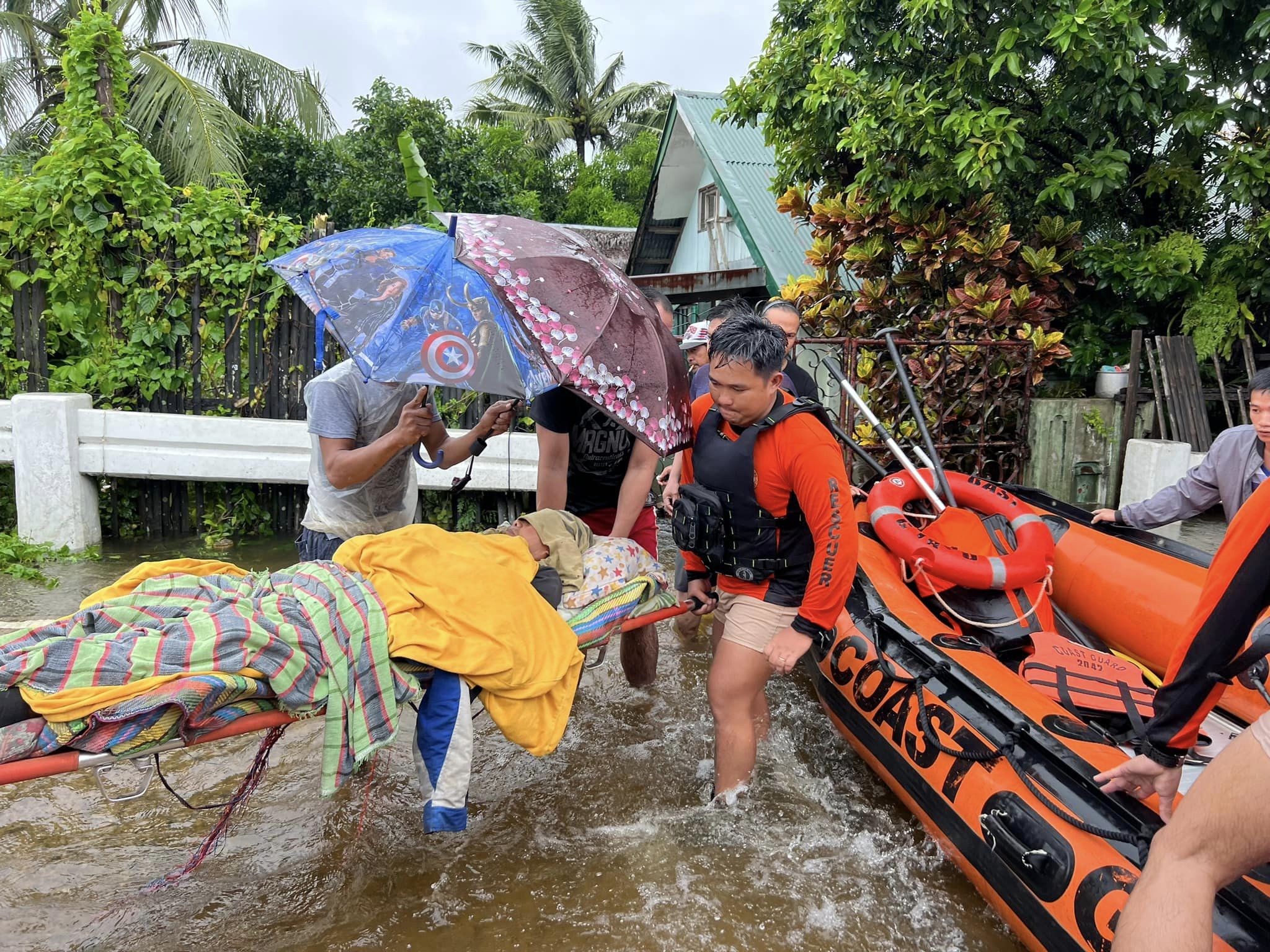
Nearly two weeks since the combined effects of shear line and a low pressure area (LPA) brought scattered rains in different parts of the country, the number of affected persons due to the two weather disturbances have already reached more than one million, according to the National Disaster Risk Reduction and Management Council (NDRRMC).
In a report on Sunday, Nov. 26, the NDRRMC said a total of 254,160 families composed of 1,003,271 individuals were affected by the rains and flood caused by the shear line and LPA.
Those affected came from 1,452 barangays in Calabarzon (Region 4A), Mimaropa (Region 4B), Bicol (Region 5), Western Visayas (Region 6), Eastern Visayas (Region 8), Northern Mindanao (Region 10), and Caraga (Region 13).
Of the affected, a total of 81,110 individuals were displaced including 48,411 individuals who were staying in 156 evacuation centers across the affected regions. Others were temporarily sheltered at their relatives or friends' homes.
The NDRRMC said two people died from Eastern Visayas while one was injured due to the bad weather.
The shear line started dumping significant amount of rain over Southern Luzon and Eastern Visayas on Nov. 14 while the LPA was first located at 935 km east of Northeastern Mindanao on Nov. 17. The LPA dissipated two days later.
Agri damage
The NDRRMC estimated agricultural loss due to the shear line and LPA at P119,897,021.93 while damage to infrastructure is still being confirmed.
Western Visayas sustained P81.3 million in agricultural damage, the biggest among the affected regions, while Eastern Visayas incurred P38.6 million in agri loss.
A total of 270 houses were also damaged in Regions 5, 6, and 8.
Meanwhile, the NDRRMC already distributed P65.3 million worth of relief assistance to the affected residents including family food packs, water, cash aid, hygiene kits, and sleeping kits among others.
Northern Samar and Eastern Samar, both in Region 8, were placed under a state of calamity by its local government so they can access ther calamity fund to hasten recovery efforts, according to the NDRRMC.