ADVERTISEMENT

Two DOTr projects expected to 'revive' PH rail industry

Published Nov 24, 2023 09:38 am
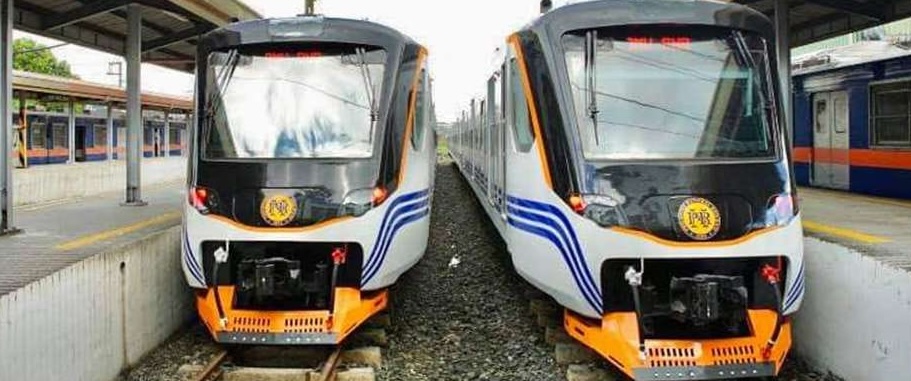
DOTR PNR.jpg
(File photo by DOTr/PNR)

The Department of Transportation (DOTr) is upbeat that two of its rail projects -- the North-South Commuter Railway (NSCR) and South Long Haul (SLH) -- will help "revive" the country's rail industry.

DOTr Secretary Jaime Bautista said that the two rail projects will elevate the country’s railway to global standards while generating jobs, boosting economic growth, and easing traffic congestion in Metro Manila.

"Tayo ay gagawa ng isang railroad network na world-class, maipagmamalaki hindi lamang sa Asya kundi pati na sa buong mundo. Mga bago, moderno, at mabilis na tren na tatakbo mula Clark hanggang Calamba patuloy hanggang Bicol (We will create a world-class railroad network that we can be produ of not only in Asia but in the entire world. New, modern and fast trains will run its course from Clark to Calamba, all the way to Bicol)," Bautista said during the 131st anniversary of its attached agency Philippine National Railways (PNR) on Friday, Nov. 24.

The transport chief said the NSCR and SLH will provide much needed critical connectivity to Filipino people as the two mass rail infrastructures will link Metro Manila to the regions in northern and southern Luzon.

The NSCR, according to Bautista, is a 147-kilometer railway system being built by the DOTr to connect Metro Manila to Pampanga and Laguna. It will have 35 stations and will run on 51 commuter train sets and seven express train sets.

It is expected to cut travel time from Calamba, Laguna to Clark, Pampanga from the current 4.5 hours travel time to just less than two hours, and service 600,000 passengers daily on full operations.

Meanwhile, the SLH is a 577-kilometer and 33-station rail connection from Metro Manila to Batangas and Bicol.

Once completed, Bautista said that the rail line will reduce travel time from Manila to Legazpi from the present 14 to 18 hours to six hours, using regular commuter trains and 4.5 hours, using the line's express trains.

The country's railway system has been plagued by numerous problems in the past, most common if which includes the trains that often get derailed due to maintenance issues.

The PNR, according to DOTr, used to operate over 797 kilometers (495 miles) of route from La Union down to Bicol. However, continued neglect and damage from natural calamities in past decades along with persistent problems with informal settlers in the 1990s reduced PNR's efficiency and railroad coverage, and contributed further to its decline. In 2006, Typhoons "Milenyo" and "Reming" caused severe damage to the network which resulted in the suspension of the Manila-Bicol services.

In its website, the DOTr said that the country "only has 76.9 kilometers of operational railways." It said the government targets to build and lay the groundwork for approximately 1,200 kilometers of railways "by 2022 and beyond" which will benefit around 4.5 million passengers per day.

"There is no doubt the NSCR and SLH Project will usher in the renaissance of the rail industry in the country," Bautista emphasized.

Related Tags

PNR rail projects Jaime Bautista DOTR
ADVERTISEMENT
.most-popular .layout-ratio{ padding-bottom: 79.13%; } @media (min-width: 768px) and (max-width: 1024px) { .widget-title { font-size: 15px !important; } }

{{ articles_filter_1561_widget.title }}

.most-popular .layout-ratio{ padding-bottom: 79.13%; } @media (min-width: 768px) and (max-width: 1024px) { .widget-title { font-size: 15px !important; } }

{{ articles_filter_1562_widget.title }}

.most-popular .layout-ratio{ padding-bottom: 79.13%; } @media (min-width: 768px) and (max-width: 1024px) { .widget-title { font-size: 15px !important; } }

{{ articles_filter_1563_widget.title }}

{{ articles_filter_1564_widget.title }}

.mb-article-details { position: relative; } .mb-article-details .article-body-preview, .mb-article-details .article-body-summary{ font-size: 17px; line-height: 30px; font-family: "Libre Caslon Text", serif; color: #000; } .mb-article-details .article-body-preview iframe , .mb-article-details .article-body-summary iframe{ width: 100%; margin: auto; } .read-more-background { background: linear-gradient(180deg, color(display-p3 1.000 1.000 1.000 / 0) 13.75%, color(display-p3 1.000 1.000 1.000 / 0.8) 30.79%, color(display-p3 1.000 1.000 1.000) 72.5%); position: absolute; height: 200px; width: 100%; bottom: 0; display: flex; justify-content: center; align-items: center; padding: 0; } .read-more-background a{ color: #000; } .read-more-btn { padding: 17px 45px; font-family: Inter; font-weight: 700; font-size: 18px; line-height: 16px; text-align: center; vertical-align: middle; border: 1px solid black; background-color: white; } .hidden { display: none; }
function initializeAllSwipers() { // Get all hidden inputs with cms_article_id document.querySelectorAll('[id^="cms_article_id_"]').forEach(function (input) { const cmsArticleId = input.value; const articleSelector = '#article-' + cmsArticleId + ' .body_images'; const swiperElement = document.querySelector(articleSelector); if (swiperElement && !swiperElement.classList.contains('swiper-initialized')) { new Swiper(articleSelector, { loop: true, pagination: false, navigation: { nextEl: '#article-' + cmsArticleId + ' .swiper-button-next', prevEl: '#article-' + cmsArticleId + ' .swiper-button-prev', }, }); } }); } setTimeout(initializeAllSwipers, 3000); const intersectionObserver = new IntersectionObserver( (entries) => { entries.forEach((entry) => { if (entry.isIntersecting) { const newUrl = entry.target.getAttribute("data-url"); if (newUrl) { history.pushState(null, null, newUrl); let article = entry.target; // Extract metadata const author = article.querySelector('.author-section').textContent.replace('By', '').trim(); const section = article.querySelector('.section-info ').textContent.replace(' ', ' '); const title = article.querySelector('.article-title h1').textContent; // Parse URL for Chartbeat path format const parsedUrl = new URL(newUrl, window.location.origin); const cleanUrl = parsedUrl.host + parsedUrl.pathname; // Update Chartbeat configuration if (typeof window._sf_async_config !== 'undefined') { window._sf_async_config.path = cleanUrl; window._sf_async_config.sections = section; window._sf_async_config.authors = author; } // Track virtual page view with Chartbeat if (typeof pSUPERFLY !== 'undefined' && typeof pSUPERFLY.virtualPage === 'function') { try { pSUPERFLY.virtualPage({ path: cleanUrl, title: title, sections: section, authors: author }); } catch (error) { console.error('ping error', error); } } // Optional: Update document title if (title && title !== document.title) { document.title = title; } } } }); }, { threshold: 0.1 } ); function showArticleBody(button) { const article = button.closest("article"); const summary = article.querySelector(".article-body-summary"); const body = article.querySelector(".article-body-preview"); const readMoreSection = article.querySelector(".read-more-background"); // Hide summary and read-more section summary.style.display = "none"; readMoreSection.style.display = "none"; // Show the full article body body.classList.remove("hidden"); } document.addEventListener("DOMContentLoaded", () => { let loadCount = 0; // Track how many times articles are loaded const offset = [1, 2, 3, 4, 5, 6, 7, 8, 9, 10]; // Offset values const currentUrl = window.location.pathname.substring(1); let isLoading = false; // Prevent multiple calls if (!currentUrl) { console.log("Current URL is invalid."); return; } const sentinel = document.getElementById("load-more-sentinel"); if (!sentinel) { console.log("Sentinel element not found."); return; } function isSentinelVisible() { const rect = sentinel.getBoundingClientRect(); return ( rect.top < window.innerHeight && rect.bottom >= 0 ); } function onScroll() { if (isLoading) return; if (isSentinelVisible()) { if (loadCount >= offset.length) { console.log("Maximum load attempts reached."); window.removeEventListener("scroll", onScroll); return; } isLoading = true; const currentOffset = offset[loadCount]; window.loadMoreItems().then(() => { let article = document.querySelector('#widget_1690 > div:nth-last-of-type(2) article'); intersectionObserver.observe(article) loadCount++; }).catch(error => { console.error("Error loading more items:", error); }).finally(() => { isLoading = false; }); } } window.addEventListener("scroll", onScroll); });

Sign up by email to receive news.