







Pulong's bill to turn prisoners into farmers


At A Glance
- Persons deprived of liberty (PDLs) or prisoners ought to learn agriculture if their penal facilities are suitable for it, according to Davao City 1st district Rep. Paolo Duterte's bill.
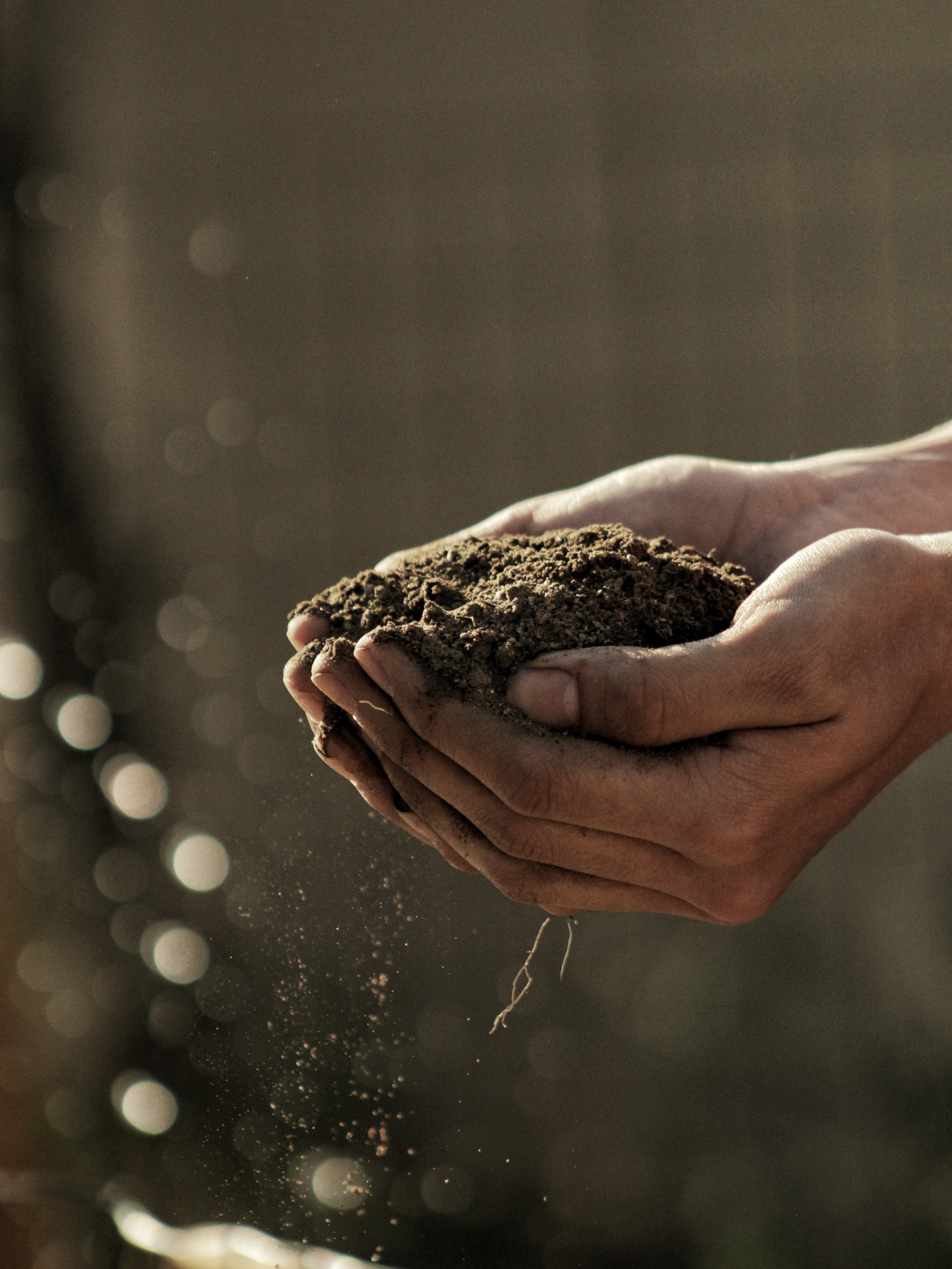 (Unsplash)
Persons deprived of liberty (PDLs) or prisoners ought to learn agriculture if their penal facilities are suitable for it.
It is through this notion that Davao City 1st district Rep. Paolo Duterte filed House Bill (HB) No.3541, or the proposed Act mandating all penal institutions with areas suitable for agriculture to implement agricultural livelihood program for prisoners and appropriating funds therefor.
Pending before the House Committee on Justice, seeks to provide agricultural training of PDLs in penal institutions that have enough space to cultivate food crops.
“This practice will offset the measly allocation for the meals of inmates under the national budget and would help ensure that they have enough healthy food for their daily needs,” Duterte said.
Surplus produce that would be harvested can be sold and used to augment the penal institution’s budget for the benefit of PDLs.
The bill provides that the participation in the planting program should be based on a criteria to be determined by the Department of Justice (DOJ) and is voluntary on the part of PDLs, said Duterte, who filed the bill with Benguet lone district Rep. Eric Yap.
Duterte cited as an example the farming initiative jointly implemented by the Department of Agriculture (DA), Bureau of Corrections (BuCor) and private companies at the Iwahig Prison and Penal Farm in Palawan. The program benefit about 500 PDLs.
“This program can be replicated in other BuCor-managed penal institutions and other jails in the country where there is sufficient area for farming through the enactment of our proposed measure. If implemented nationwide, this could provide a solution to the challenges faced by the government in providing adequate food for PDLs,” the Mindanaoan said.
Under the bill, the DA shall supply the seeds, fertilizers, equipment and technology necessary to undertake the voluntary agricultural livelihood program.
The DA is also expected to provide technical support and advice to prison personnel on the management and maintenance of the farm, as well as the training to PDLs on farming and the operation of agricultural equipment.
Excess produce from the agricultural livelihood program will be sold and the profits gained shall be credited to the Prison Agricultural Revolving Fund to be established by penal institutions as mandated under the bill.
The PDLs who will take part in the program shall be paid the minimum wage rate prevailing in the area where the penal facility is located, according to the bill. They will also be given half of the total collection under the Prison Agricultural Revolving Fund as dividends.
The rest of the fund collection will be used to improve the penal facility and as start-up fund for the succeeding year.