

ADVERTISEMENT

Suspect in rapper Tupac Shakur killing denies murder

Published Nov 2, 2023 11:38 pm

At A Glance

  • Duane "Keefe D" Davis, 60, was charged in September over the killing, despite not being the man wielding the weapon in the gang feud in Las Vegas.
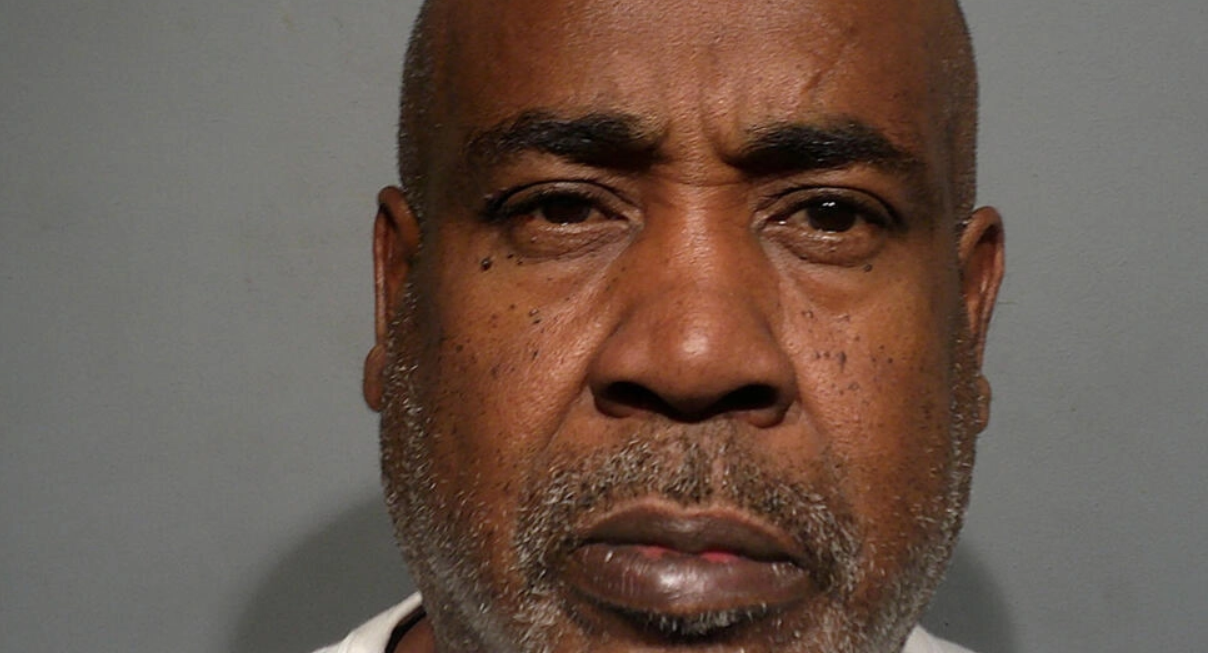
Duane Davis (AFP) .png
Duane Davis (AFP) 

LOS ANGELES (AFP) - A former gang member who had long boasted of his involvement in the murder of rap legend Tupac Shakur a quarter of a century ago pleaded not guilty in a US court on Thursday.

Duane "Keefe D" Davis, 60, was charged in September over the killing, despite not being the man wielding the weapon in the gang feud in Las Vegas.

The 60-year-old Davis, a former member of Compton's South Side Crips gang, has long acknowledged his involvement in the slaying, boasting he was the "on-site commander" in the effort to kill Shakur and Death Row Records boss Marion "Suge" Knight in revenge for an assault on his nephew.

But at a court hearing in Las Vegas he denied the charge of murder with a deadly weapon with the intent to promote, further or assist a criminal gang.

"Not guilty," Davis told District Judge Tierra Jones when she asked for his plea.

Under Nevada law, anyone who aids or abets a murder can be charged with the killing, in the same way that a getaway driver can be charged with bank robbery even if he never entered the bank.

Prosecutors said Thursday they would not be seeking the death penalty if Davis is convicted.

"We talked about it, and I determined that it's not a case in which we should seek the death penalty," the Las Vegas Review-Journal reported Clark County District Attorney Steve Wolfson as saying after the hearing.

Shakur, the best-selling hip-hop artist behind hits such as "California Love," "Changes," and "Dear Mama," was a major star in the world of rap when he was gunned down on September 7, 1996. He was just 25.

He was signed to Death Row Records, an outfit associated at the time with Los Angeles street gang Mob Piru, which had a long-standing beef with the South Side Compton Crips.

Shortly after Davis was arrested, prosecutors said that what happened on the night of the killing had been largely understood for many years, but they had not had sufficient admissible evidence to advance the case.

That began to change when Davis, reportedly the only person in the car that night still alive, published an autobiography and spoke about the crime for a TV show.

Wolfson said statements Davis had made in the past would be considered at the trial.

He added that he was aware that the case was attracting global attention, but it would not change how it was handled.

"The fact that the world is watching really doesn't matter," he said, according to the Review-Journal.

"What we care about is presenting the evidence to a jury, so that the jury can make the ultimate decision."

ADVERTISEMENT
.most-popular .layout-ratio{ padding-bottom: 79.13%; } @media (min-width: 768px) and (max-width: 1024px) { .widget-title { font-size: 15px !important; } }

{{ articles_filter_1561_widget.title }}

.most-popular .layout-ratio{ padding-bottom: 79.13%; } @media (min-width: 768px) and (max-width: 1024px) { .widget-title { font-size: 15px !important; } }

{{ articles_filter_1562_widget.title }}

.most-popular .layout-ratio{ padding-bottom: 79.13%; } @media (min-width: 768px) and (max-width: 1024px) { .widget-title { font-size: 15px !important; } }

{{ articles_filter_1563_widget.title }}

{{ articles_filter_1564_widget.title }}

.mb-article-details { position: relative; } .mb-article-details .article-body-preview, .mb-article-details .article-body-summary{ font-size: 17px; line-height: 30px; font-family: "Libre Caslon Text", serif; color: #000; } .mb-article-details .article-body-preview iframe , .mb-article-details .article-body-summary iframe{ width: 100%; margin: auto; } .read-more-background { background: linear-gradient(180deg, color(display-p3 1.000 1.000 1.000 / 0) 13.75%, color(display-p3 1.000 1.000 1.000 / 0.8) 30.79%, color(display-p3 1.000 1.000 1.000) 72.5%); position: absolute; height: 200px; width: 100%; bottom: 0; display: flex; justify-content: center; align-items: center; padding: 0; } .read-more-background a{ color: #000; } .read-more-btn { padding: 17px 45px; font-family: Inter; font-weight: 700; font-size: 18px; line-height: 16px; text-align: center; vertical-align: middle; border: 1px solid black; background-color: white; } .hidden { display: none; }
function initializeAllSwipers() { // Get all hidden inputs with cms_article_id document.querySelectorAll('[id^="cms_article_id_"]').forEach(function (input) { const cmsArticleId = input.value; const articleSelector = '#article-' + cmsArticleId + ' .body_images'; const swiperElement = document.querySelector(articleSelector); if (swiperElement && !swiperElement.classList.contains('swiper-initialized')) { new Swiper(articleSelector, { loop: true, pagination: false, navigation: { nextEl: '#article-' + cmsArticleId + ' .swiper-button-next', prevEl: '#article-' + cmsArticleId + ' .swiper-button-prev', }, }); } }); } setTimeout(initializeAllSwipers, 3000); const intersectionObserver = new IntersectionObserver( (entries) => { entries.forEach((entry) => { if (entry.isIntersecting) { const newUrl = entry.target.getAttribute("data-url"); if (newUrl) { history.pushState(null, null, newUrl); let article = entry.target; // Extract metadata const author = article.querySelector('.author-section').textContent.replace('By', '').trim(); const section = article.querySelector('.section-info ').textContent.replace(' ', ' '); const title = article.querySelector('.article-title h1').textContent; // Parse URL for Chartbeat path format const parsedUrl = new URL(newUrl, window.location.origin); const cleanUrl = parsedUrl.host + parsedUrl.pathname; // Update Chartbeat configuration if (typeof window._sf_async_config !== 'undefined') { window._sf_async_config.path = cleanUrl; window._sf_async_config.sections = section; window._sf_async_config.authors = author; } // Track virtual page view with Chartbeat if (typeof pSUPERFLY !== 'undefined' && typeof pSUPERFLY.virtualPage === 'function') { try { pSUPERFLY.virtualPage({ path: cleanUrl, title: title, sections: section, authors: author }); } catch (error) { console.error('ping error', error); } } // Optional: Update document title if (title && title !== document.title) { document.title = title; } } } }); }, { threshold: 0.1 } ); function showArticleBody(button) { const article = button.closest("article"); const summary = article.querySelector(".article-body-summary"); const body = article.querySelector(".article-body-preview"); const readMoreSection = article.querySelector(".read-more-background"); // Hide summary and read-more section summary.style.display = "none"; readMoreSection.style.display = "none"; // Show the full article body body.classList.remove("hidden"); } document.addEventListener("DOMContentLoaded", () => { let loadCount = 0; // Track how many times articles are loaded const offset = [1, 2, 3, 4, 5, 6, 7, 8, 9, 10]; // Offset values const currentUrl = window.location.pathname.substring(1); let isLoading = false; // Prevent multiple calls if (!currentUrl) { console.log("Current URL is invalid."); return; } const sentinel = document.getElementById("load-more-sentinel"); if (!sentinel) { console.log("Sentinel element not found."); return; } function isSentinelVisible() { const rect = sentinel.getBoundingClientRect(); return ( rect.top < window.innerHeight && rect.bottom >= 0 ); } function onScroll() { if (isLoading) return; if (isSentinelVisible()) { if (loadCount >= offset.length) { console.log("Maximum load attempts reached."); window.removeEventListener("scroll", onScroll); return; } isLoading = true; const currentOffset = offset[loadCount]; window.loadMoreItems().then(() => { let article = document.querySelector('#widget_1690 > div:nth-last-of-type(2) article'); intersectionObserver.observe(article) loadCount++; }).catch(error => { console.error("Error loading more items:", error); }).finally(() => { isLoading = false; }); } } window.addEventListener("scroll", onScroll); });

Sign up by email to receive news.