







The Marcos pets and the children who loved them
President Ferdinand Marcos Sr wrote about his children's favorite pets


At A Glance
- In his article, Maltzman provided documentary evidence in American politics where politicians use their pets as an opportunity to improve their image to the public
You know that feeling when someone is watching you and you unconsciously turn to the direction of the gaze? This can happen in one’s sleep too. Opened my eyes this morning to see my dog Artemis upright with front paws on the edge of my bed staring at me. She was in distress. She kept shaking her head, as if trying to relieve an itch in what I suppose was in her ear. The sun was barely up and I decided to figure out what was the cause of her discomfort. Seeing no foreign object, I proceeded to clean both her ears to no avail. She still kept shaking her ears vigorously and worse her ears were lopsided and head tilted to one side while she was on a walk. Poor thing!
So off we went to the vet emergency room. Nothing was inflamed, but when they tested her ear with a swab, results showed presence of a fungus. She had a thorough ear cleaning then some ear drops. I was relieved for Artemis as she was visibly comforted with the cleaning and eardrops.
I think nowadays it is easier to make people understand how important a pet can be in one’s life. I remember even just in the early 1990s before the advent of social media, I had lost my constant companion, my beautiful Labrador Kiwi. I was at work and remained tearful the days following her passing. People tried to console me and at one point I was sharing with a co-worker how the loss of pets is really like losing a family member, which led my co-worker to grow indignant and irate. He berated me for comparing the loss of a dog to losing an actual human being.
I suppose that generally it’s a learned behavior the way we treat animals, particularly pets. I remember new house staff would be surprised at how I would speak to our dogs as if I was speaking to a human and be perplexed that we send our pets to the doctor and even rush them to the ER if they are in physical distress. In fact, one of the first rules they have to learn is not to hit, kick, or mistreat our pets for they are members of the family. Although some would argue the positive effects on our mental and physical health from interacting with our pets are still an unsubstantiated hypothesis, it has become evident that companion animals are important in the lives of people.
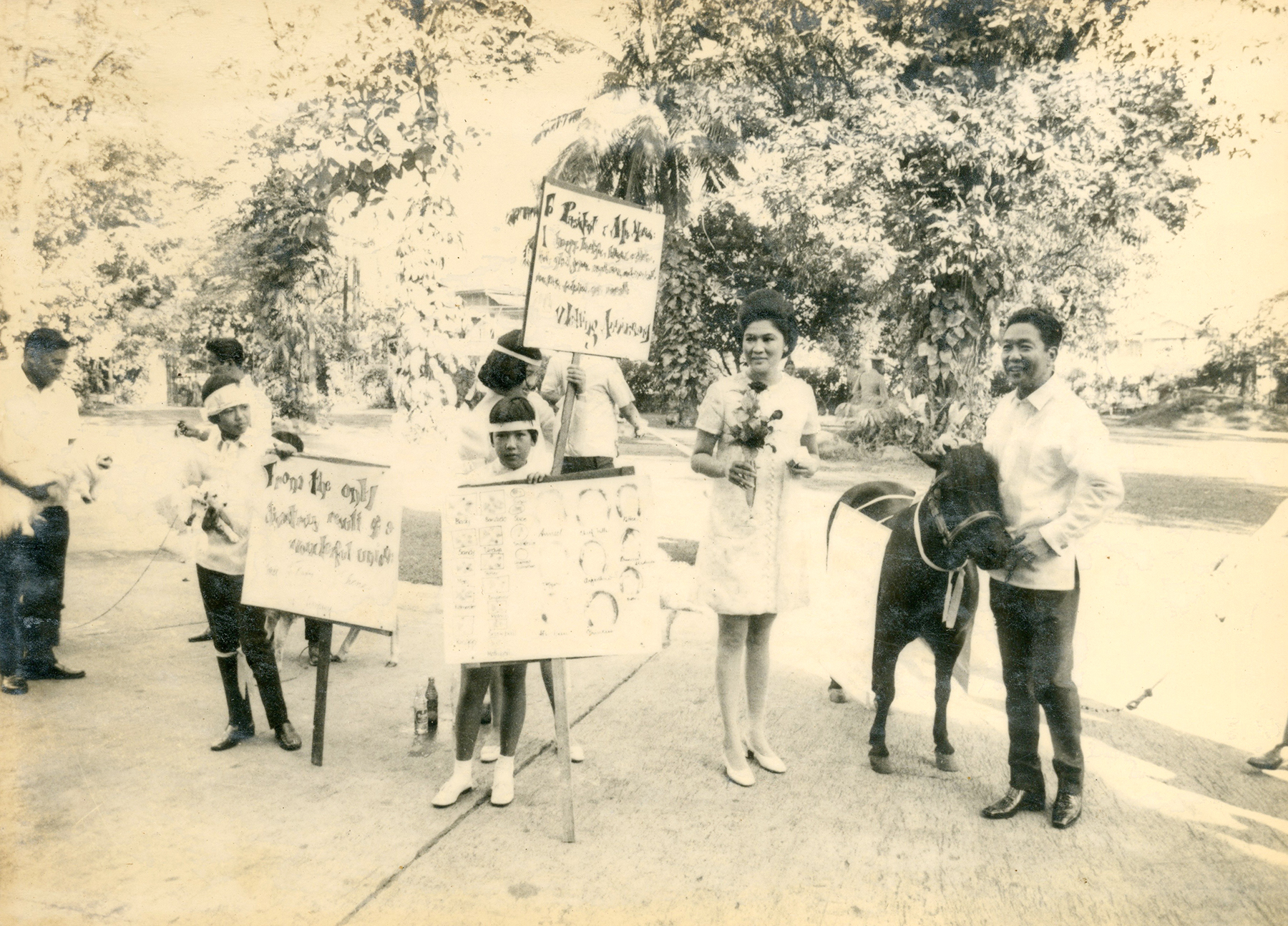
In most cases, how a person treats animals especially their pets is indicative of the type of person they are. This has been highlighted in no less than American politics. I was reading an article by Forrest Maltzman et al, “Unleashing Presidential Power: The Politics of Pets in the White House.” In his article, Maltzman provided documentary evidence in American politics where politicians use their pets as an opportunity to improve their image to the public, acknowledging that the first family’s “four-legged members are an important political force.”
In Philippine context, a few months ago the book Dogs in Philippine History: A Chronicle of Cultural and Historical Encounters with Man’s Best Friend by historian Christopher B. Alonso was launched. The over 600 pages documents 4,000 years’ worth of human-dog relationship in the Philippines.
Just before going to print, the author reached out to ask if I would know the names of the pets of the first family during the time my late uncle Ferdinand E. Marcos was President (1965-1986). At that time, I could not assist him since I did not know myself and was not optimistic to have answers to his query in time for printing.
Just the other nights, as I was going through the diary of PFEM, I found an entry dated 10 p.m., Sunday, Dec. 13, 1970 where some of the first family’s pets were mentioned.
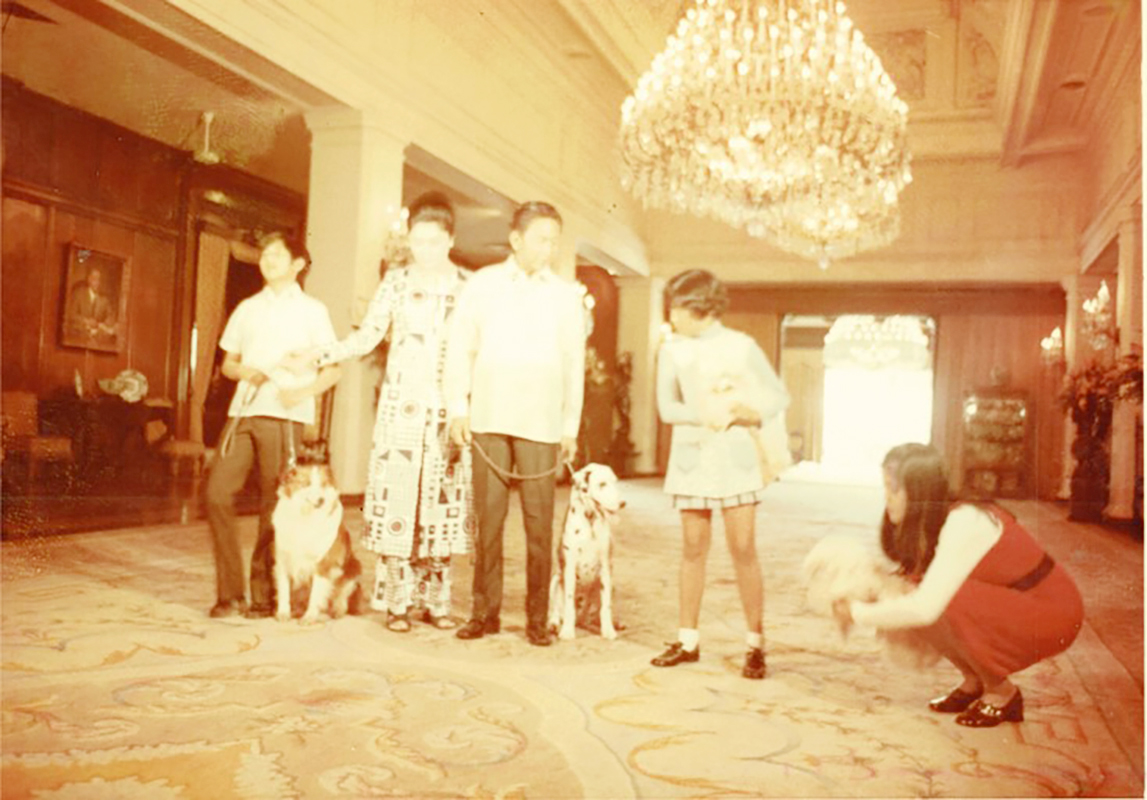
PFEM wrote: “Bongbong has just arrived. His plane a KLM-Pal DC-8 direct flight from Amsterdam touched down at about 3:00 p.m. We have been excitedly preparing for his arrival. The girls fixed up his and their rooms to look lived in and cozy. We had the horses waiting for him at the aviary. His horse Argentina was there and at first he shied away from him. Button and Kitten were also there. The dogs were inside because it was showering as it has been the whole day. His favorite, Sandy, of course was there. And so was Achilles the Dalmatian and the two chows, Butterball and Alaska. After the hurry and scurry to look into his room and the peremptory demands for kuwento, we heard mass then merienda when he told us a lot of stories.”
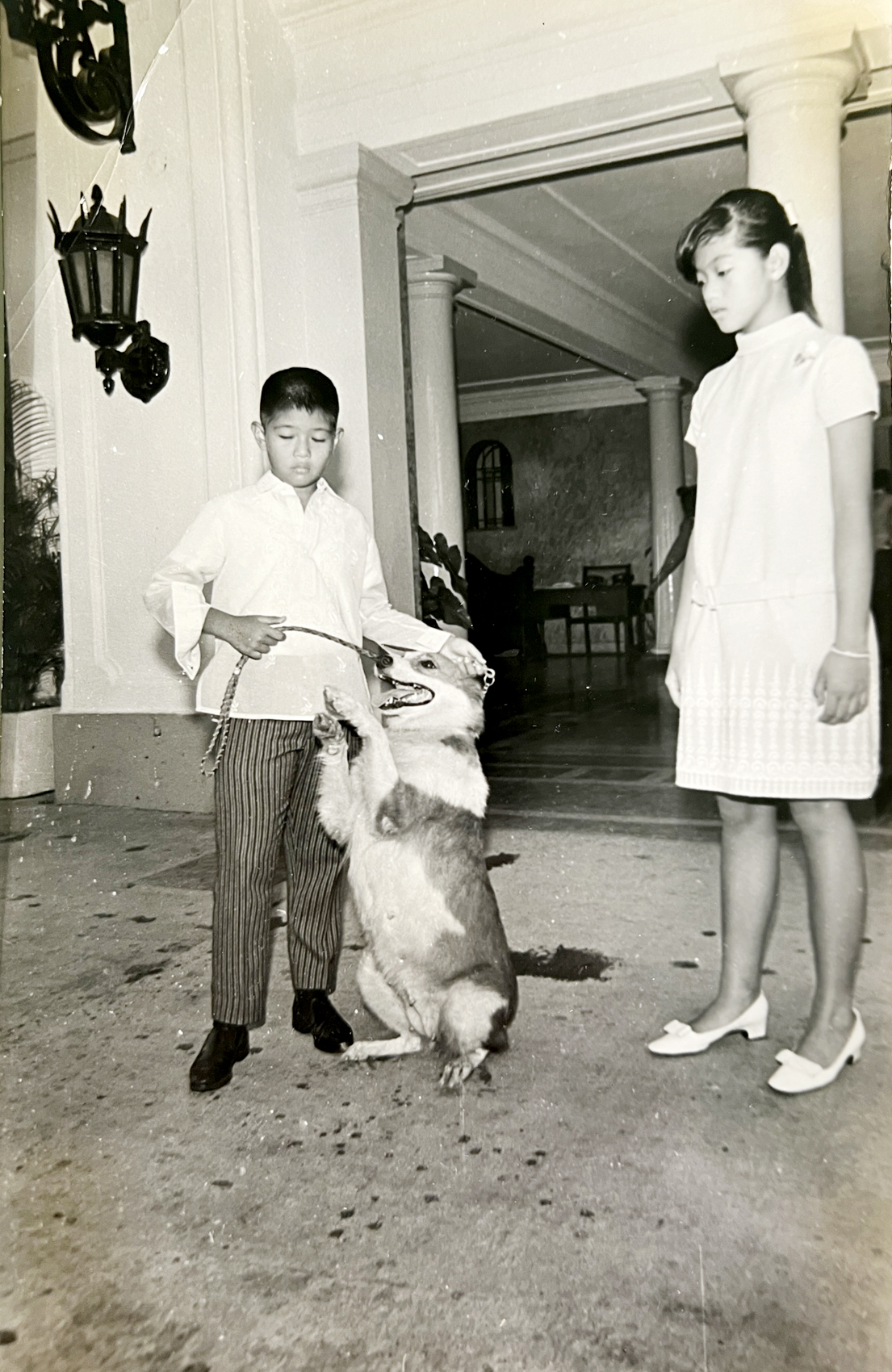
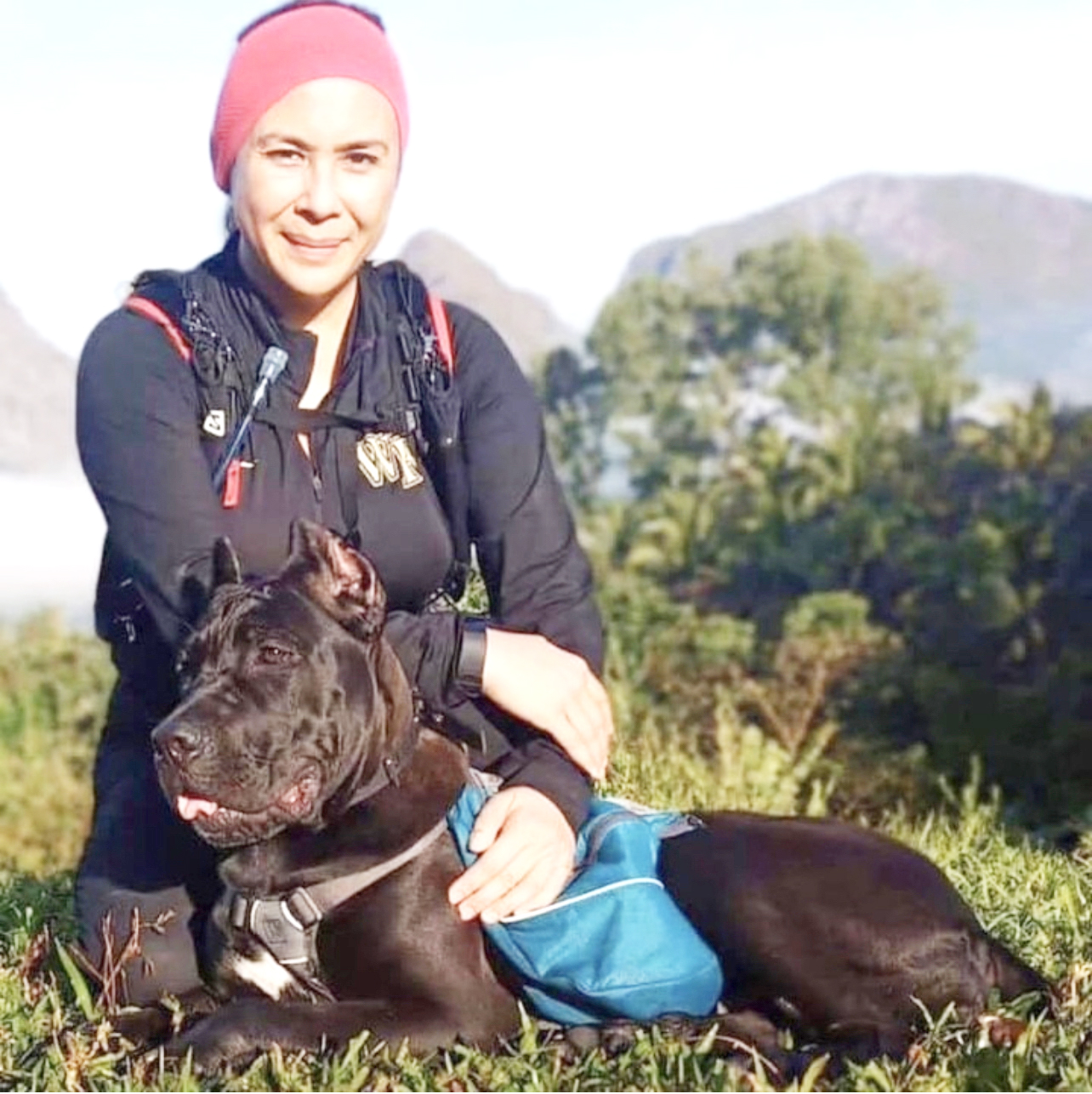
But of the three children, Irene had the most affinity for dogs. During one strong earthquake, PFEM recounted that when a strong earthquake hit Manila in the 1970s, instead of running out of the Palace to safety, Irene secured her pet Pekinese “Pugger” before running out of the Palace! It was through Irene (not only my first cousin but ninang twice—birth and wedding) that I learned there was such a thing as a dog psychologist and even a “charm school” for dogs where our fur babies are taught to be civilized to both humans but fellow pets. The former information served me well with my beautiful Cane Corso Artemis, whose breed of character can be formidable when not properly directed.
After seeing Artemis home from the vet, I met a group of fitness enthusiasts from a boutique gym I used to frequent, Rise Nation. Sadly, Rise Nation closed but the friendship and camaraderie formed among its members remained strong.
Regular fitness meets have been held and that morning at 7:30 am, we were scheduled do a 5 km run at the BGC Greenway Park, the longest linear park in Metro Manila.
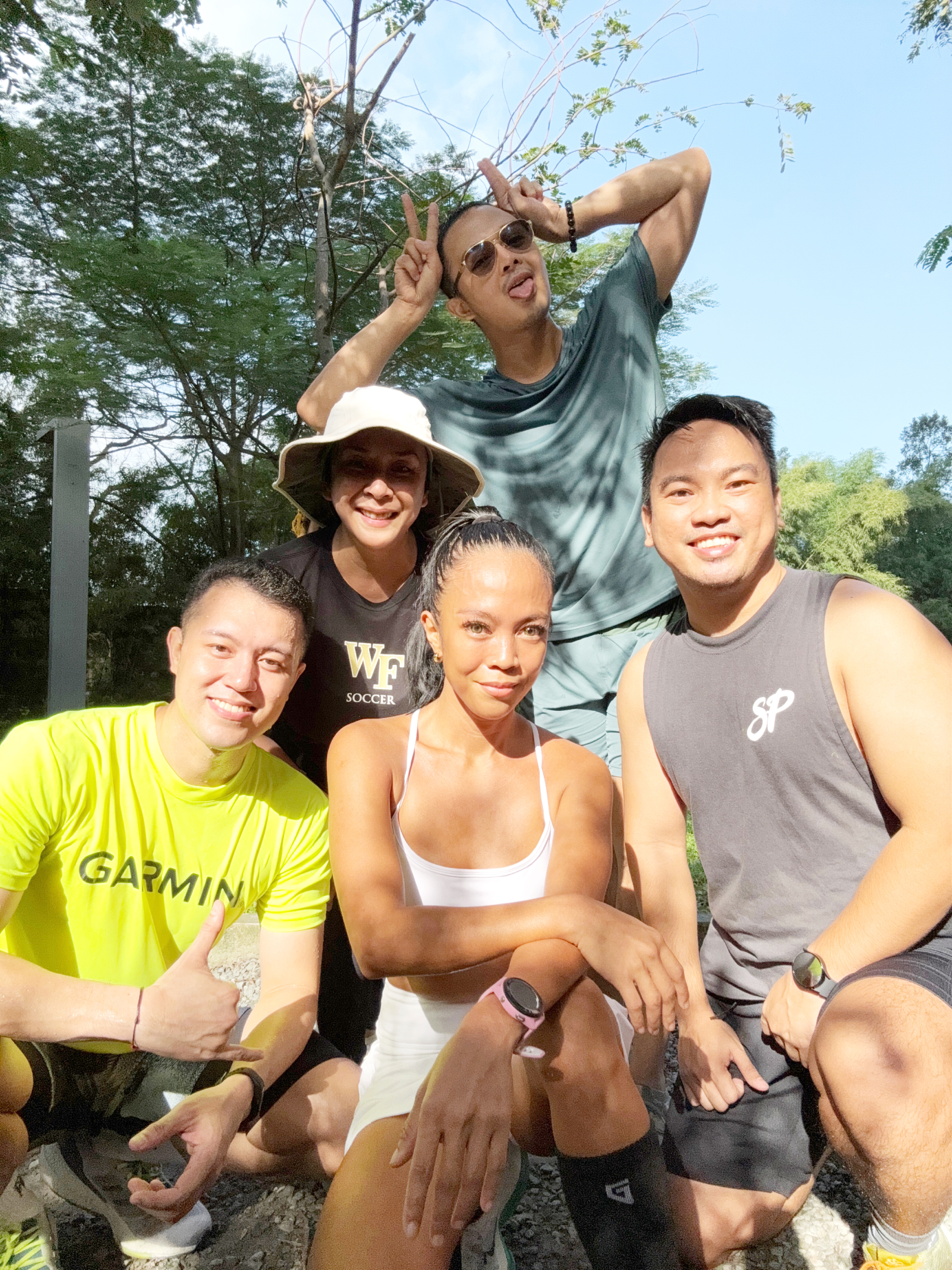
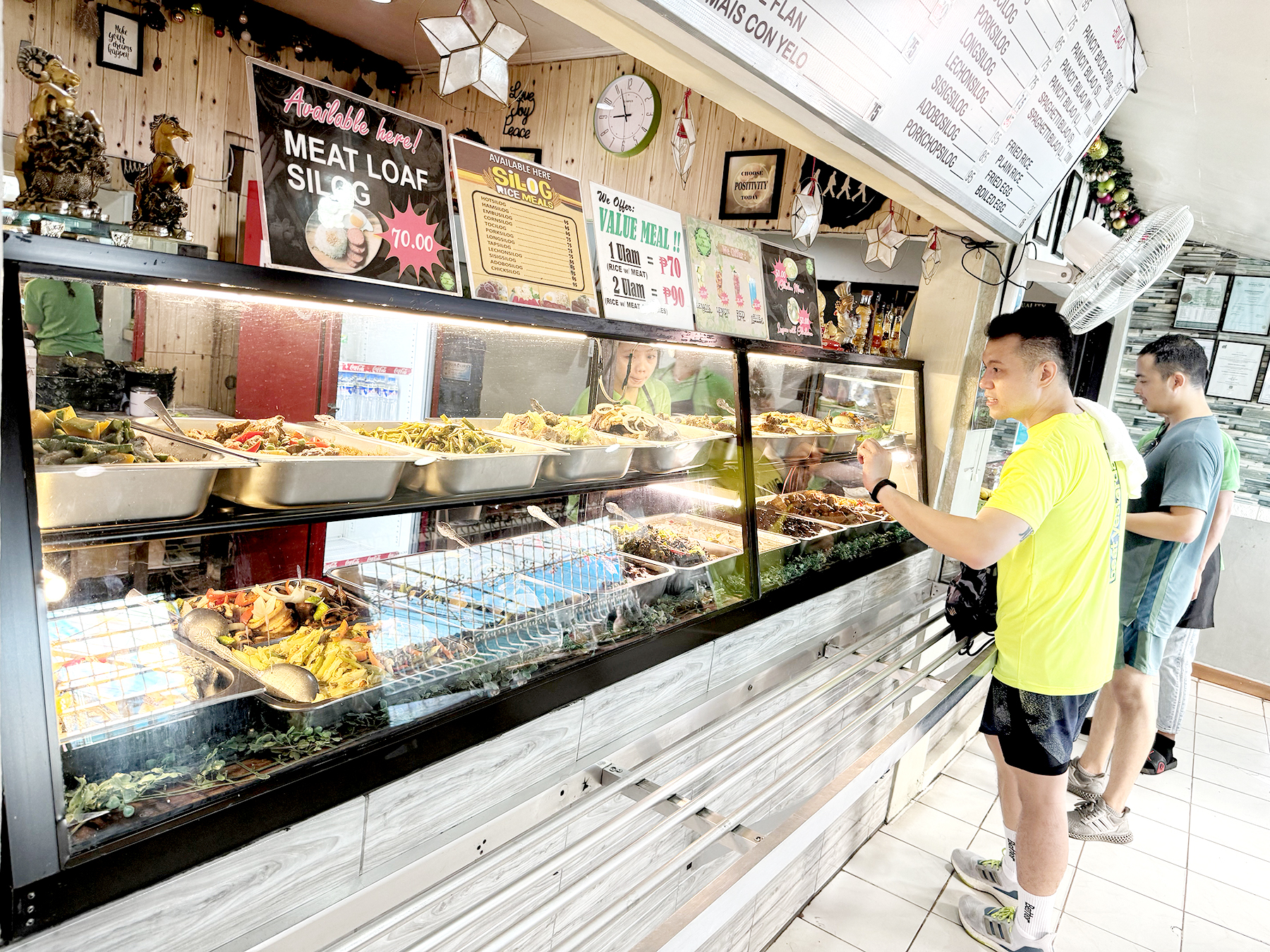
According to my friend La Glamour Queen entrepreneur, make-up artist extraordinaire, and marathon first placer Della Lau, the whole strip is 1.2 km long. The pedestrian/running strip remains in the shadows of towering buildings lined alongside it—offering shade from the beating sun. After our 5 km jog, we walked to the other side of BGC past SM Aura to cross the bridge over C-5 to get breakfast at the carinderia called the Kainan Sa Staffhouse on Emerald St. corner Sampaguita St in Taguig. It’s about 25 meters from the newly built Hotel 101 along the entry ramp to C-5 north bound.
I ordered a cup of rice, a serving each of dinuguan, Bicol Express, and sisig with complimentary sinigang soup for a little over ₱200. The Staffhouse as it is more popularly known offers a variety of dishes to choose from and my fellow joggers also ordered three dishes each—we all used the same excuse—each ordering more than one food dish for the purpose of sharing. This carinderia was clean, bright, and well-ventilated serving the food cooked fresh daily. Truly lutong bahay food-stuff!
A carinderia is a local eatery or turo-turo. According to Professor Nestor Castro, “During the Spanish colonial period, an eating place that served pansit (noodles) was called pansitan in Tagalog or pansiteria in hispanized Tagalog. On the other hand, an eating place that served curry was called Karihan in Tagalog or carinderia in hispanized Tagalog.”
The Karihan or curry food stall was established when curry dishes were sold by Sepoys who deserted the British Army during the British Invasion of the Philippines from 1762-1764.
Since the 1800’s the word carinderia has been used to refer to commercial establishments or native food shops that sell cooked Filipino food to travelers or passers-by.