







Real hope for the balding
Exosomes and their revolutionary role in hair growth


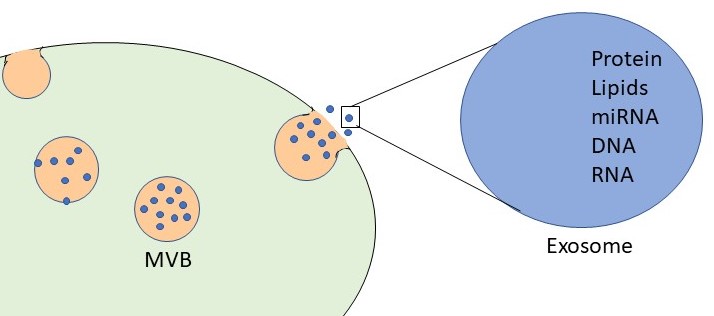
In recent years, exosomes have emerged as a groundbreaking therapeutic tool in regenerative medicine, particularly in the field of hair restoration. We are witnessing a paradigm shift in the treatment of hair loss, with exosomes offering new hope for individuals grappling with this common and distressing condition. Understanding the medical perspective and the mechanism of action of exosomes sheds light on their potential as a game-changing solution for hair growth. To comprehend the significance of exosomes in hair growth, it is essential to grasp the underlying biology. Exosomes are nanosized extracellular vesicles that play a pivotal role in intercellular communication by transporting various molecules, including proteins, nucleic acids, and lipids, between cells. This inherent ability to shuttle bioactive cargo makes exosomes an appealing candidate for therapeutic applications.
From a medical perspective, exosomes have garnered attention for their regenerative potential in various tissues, including skin and hair follicles. The therapeutic use of exosomes in promoting hair growth stems from their ability to modulate cellular processes involved in hair follicle regeneration.
When exosomes are harnessed for hair restoration, they exert their effects through intricate mechanisms that orchestrate tissue repair and regeneration. Fundamentally, exosomes harbor a diverse array of bioactive molecules that can elicit multifaceted effects on the scalp and hair follicles. These bioactive cargo molecules, such as growth factors, microRNAs, and cytokines, act in concert to rejuvenate and revitalize the hair follicle microenvironment.
One of the key mechanisms by which exosomes promote hair growth is by stimulating the proliferation and migration of dermal papilla cells, which are instrumental in regulating hair follicle growth cycles. Moreover, exosomes have been shown to mitigate inflammation and oxidative stress in the scalp, thereby creating a conducive milieu for robust hair growth. Through their ability to modulate the expression of genes involved in hair follicle development and cycling, exosomes exert a potent regenerative influence on dormant or miniaturized hair follicles, fostering an environment conducive to hair revitalization. Furthermore, exosomes play a crucial role in angiogenesis, the process of forming new blood vessels. By enhancing the blood supply to the scalp and hair follicles, exosomes facilitate improved nutrient and oxygen delivery to the hair follicles, promoting their nourishment and growth.
This multifaceted mechanism of action underscores the remarkable potential of exosomes as a therapeutic intervention for hair loss. Clinical studies have underscored the efficacy of exosome-based therapies in promoting hair growth and rejuvenation. By harnessing the regenerative power of exosomes derived from mesenchymal stem cells or other cellular sources, clinicians have been able to offer individuals a natural and promising approach to addressing hair loss. Furthermore, the safety profile of exosome therapies presents a compelling advantage, as these treatments are well-tolerated and pose minimal risk of adverse effects, offering a favorable option for individuals seeking non-invasive and innovative hair restoration solutions.
With their ability to stimulate hair follicle growth and counteract the underlying mechanisms of hair loss, exosomes have the potential to revolutionize the landscape of hair restoration therapies. As our understanding of exosome biology and their therapeutic applications continues to evolve, the prospects for leveraging exosomes as a cornerstone of hair growth interventions are exceedingly promising. In conclusion, exosomes represent a compelling frontier in the pursuit of effective and transformative treatments for hair loss.
Their multifaceted mechanism of action, encompassing the modulation of cellular processes, inflammation, and angiogenesis, positions exosomes as a potent tool for rejuvenating and revitalizing hair follicles.
The regenerative potential of exosomes holds great promise for individuals grappling with hair loss, offering a beacon of hope for achieving natural and sustainable hair restoration. As ongoing research and clinical developments propel the field of exosome-based hair growth therapies forward, it is evident that we stand at the cusp of a new era in the treatment of hair loss, with exosomes at the forefront of this groundbreaking evolution.