

ADVERTISEMENT

Honda at the Japan Mobility Show

Making mobility sustainable

Published Nov 10, 2023 03:59 am

The recent Japan Mobility Show, formerly known as the Tokyo Motor Show, has made the rebrand in order to offer an exciting look into the future of not only cars and motorcycles, but a broader range of mobility products, services and technologies.

This change is one that is close to Honda’s heart, being a company that started off with motorcycles, but has been expanding the lineup of its mobility products to include automobiles, and now aircraft and more. 

Not surprisingly, during the event, Honda exhibited not only automobiles but diverse forms of current and future mobility that Honda is pursuing.

Sustaina-C
111023HondaJMS1.jpg

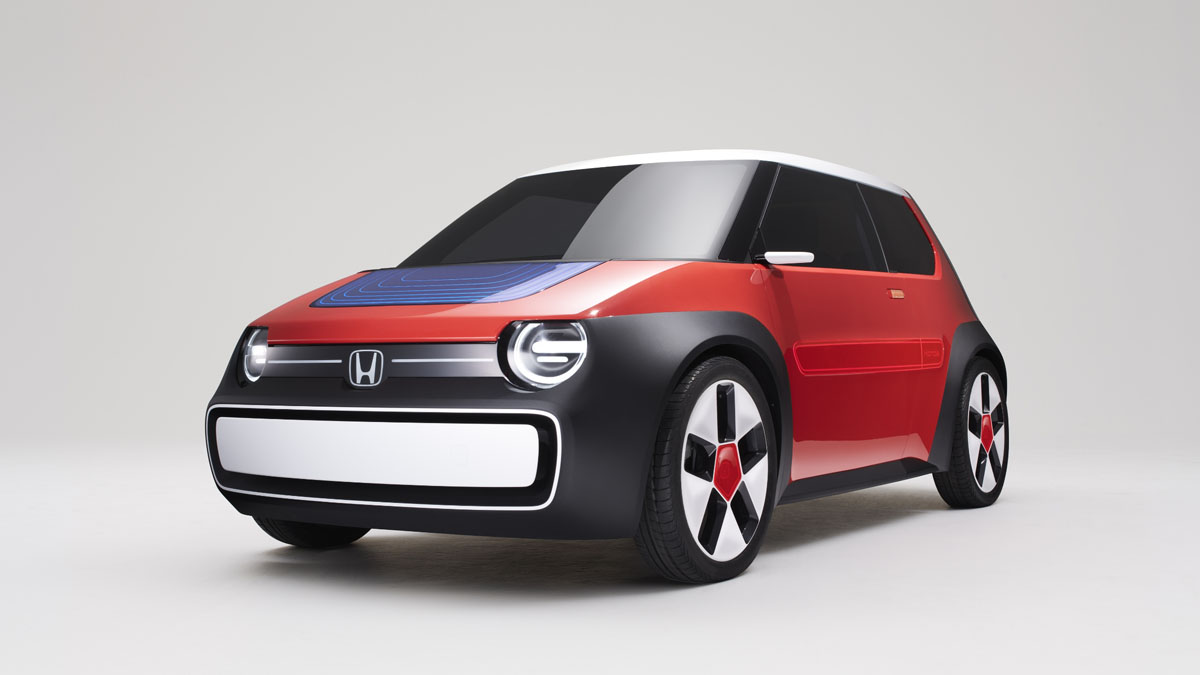
One such example is the Sustaina-C Concept, a car that not only runs on sustainable power, but is actually built from sustainable materials. The idea behind this vehicle was to create an affordable electric vehicle, constructing it from materials that are easy to obtain from recycled materials, bringing down its cost, and also the carbon emissions required to produce it. Specifically, it is made of acrylic resin that is recycled and reused. Since acrylic does not lose its characteristics when recycled, it can be used repeatedly.

Uni-One
111023HondaUniOne1.jpg

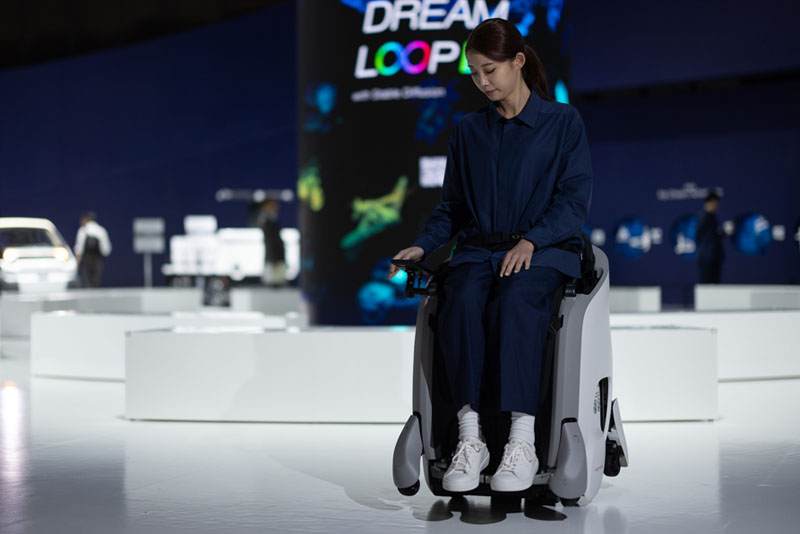
Another such vehicle is the Uni-one, designed to make mobility even easier for the handicapped. Conventional wheelchairs and electric mobility devices require the use of hands to operate, but the Uni-One is a mobility device the user can steer and go in the intended direction by simply shifting body weight. This allows users to keep both hands free, and thus perform certain tasks while moving. In addition, the seat can be elevated or lowered, enabling the user to work and move around while maintaining eye contact with people around them. The user can elevate the seat when interacting with people who are standing and lower it when interacting with people who are seated or small children. Such changes in eye level and posture and the ability to use both hands enable the user to enjoy communicating with others more freely. The Uni-One does not just provide mobility for the handicapped, but expands their potential in society.

Motocompacto
111023HondaMotocompacto1.jpg

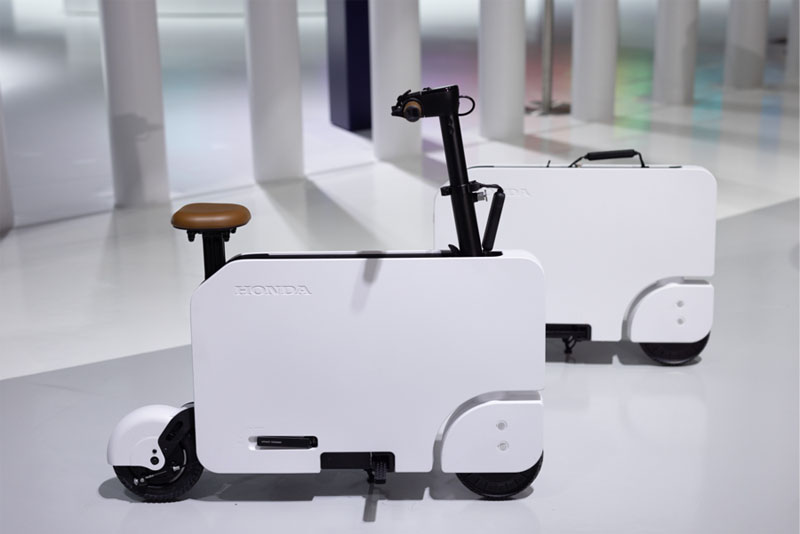
There are quite a number of folding kick scooters and bicycles, but few compare to the unashamed boxy style of Honda. Possibly inspired by the Motocompo, Honda’s foldable petrol scooter of the 80s, this new version uses electric power and is even more compact.

The Motocompacto is a new first- or last-mile personal mobility designed to be both portable and safe. It can fold into a suitcase-like shape easily, weighs just 41 lbs, and can easily fit into any vehicle’s trunk. It boasts of a range of up to 20-km on a full charge and a maximum speed of 25 km/h.

In addition, it comes with connected functions, able to sync up to your smart phone to predict battery consumption to the destination, thus eliminating the concern of running out of charge while on the move. 

Prologue Prototype
111023HondaPrologue1.jpg

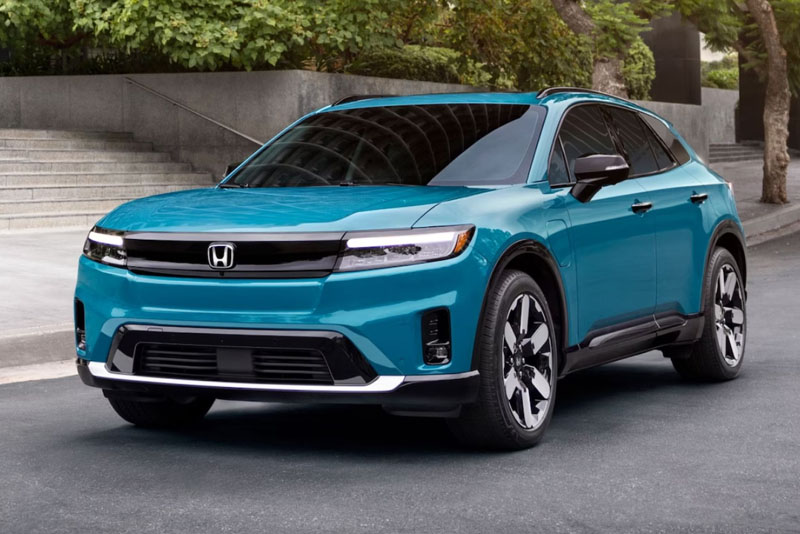
Closer to the present is a car we might see on the roads soon. One such vehicle is the Prologue Prototype. It was co-developed with General Motors as a prototype for the first model in a new series of Honda EV models. Developed under the design concept of “Neo-Rugged,” the model features simple and sophisticated design, while also featuring neo-rugged outdoor styling.

111023HondaPrologue2.jpg

The Prologue will have a target range of 482-km or more from a full charge. It is DC (direct current) fast charger compatible with high-power charging, which will be able to add 104-km of range in about ten minutes. For seamless on-the-go digital services, the Prologue will feature Google built-in, an in-vehicle connected service, as standard equipment.

Prelude Concept
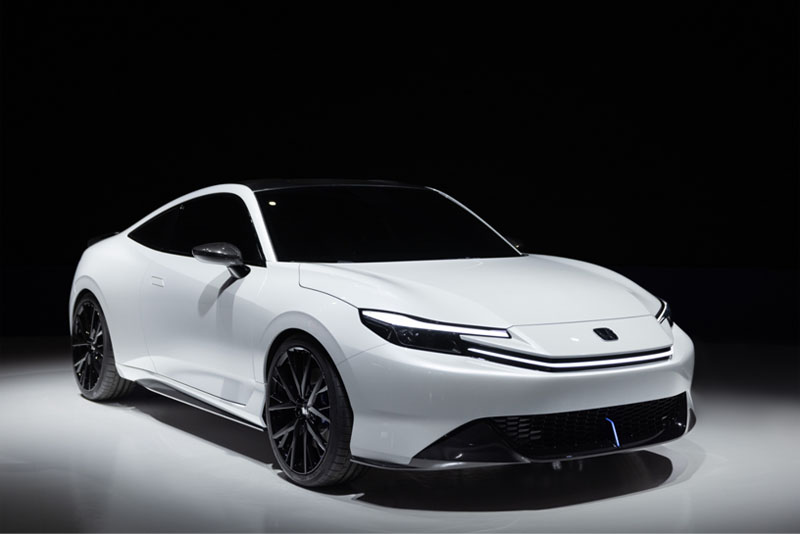
111023HondaPrelude1.jpg

Honda is not one to shy away from excitement and the Prelude was perhaps the most heart-pumping model presented. The brand has always been committed to creating sporty vehicles, and yet another one to receive a revival is the Prelude. The word “prelude” means an “introductory or preceding performance.” This model will become the prelude for Honda’s future models which will inherit the “joy of driving” into the electrified future. Honda has not revealed that many details about it yet, only that it will be propelled by a hybrid powertrain.

These concepts show that Honda is driven to make our mobility, whether on the road, or sidewalk, more sustainable and accessible for all. We might not see some until a decade from now, but others are just a few months or years away.

Related Tags

Japan Mobility Show 2023 Honda
ADVERTISEMENT
.most-popular .layout-ratio{ padding-bottom: 79.13%; } @media (min-width: 768px) and (max-width: 1024px) { .widget-title { font-size: 15px !important; } }

{{ articles_filter_1561_widget.title }}

.most-popular .layout-ratio{ padding-bottom: 79.13%; } @media (min-width: 768px) and (max-width: 1024px) { .widget-title { font-size: 15px !important; } }

{{ articles_filter_1562_widget.title }}

.most-popular .layout-ratio{ padding-bottom: 79.13%; } @media (min-width: 768px) and (max-width: 1024px) { .widget-title { font-size: 15px !important; } }

{{ articles_filter_1563_widget.title }}

{{ articles_filter_1564_widget.title }}

.mb-article-details { position: relative; } .mb-article-details .article-body-preview, .mb-article-details .article-body-summary{ font-size: 17px; line-height: 30px; font-family: "Libre Caslon Text", serif; color: #000; } .mb-article-details .article-body-preview iframe , .mb-article-details .article-body-summary iframe{ width: 100%; margin: auto; } .read-more-background { background: linear-gradient(180deg, color(display-p3 1.000 1.000 1.000 / 0) 13.75%, color(display-p3 1.000 1.000 1.000 / 0.8) 30.79%, color(display-p3 1.000 1.000 1.000) 72.5%); position: absolute; height: 200px; width: 100%; bottom: 0; display: flex; justify-content: center; align-items: center; padding: 0; } .read-more-background a{ color: #000; } .read-more-btn { padding: 17px 45px; font-family: Inter; font-weight: 700; font-size: 18px; line-height: 16px; text-align: center; vertical-align: middle; border: 1px solid black; background-color: white; } .hidden { display: none; }
function initializeAllSwipers() { // Get all hidden inputs with cms_article_id document.querySelectorAll('[id^="cms_article_id_"]').forEach(function (input) { const cmsArticleId = input.value; const articleSelector = '#article-' + cmsArticleId + ' .body_images'; const swiperElement = document.querySelector(articleSelector); if (swiperElement && !swiperElement.classList.contains('swiper-initialized')) { new Swiper(articleSelector, { loop: true, pagination: false, navigation: { nextEl: '#article-' + cmsArticleId + ' .swiper-button-next', prevEl: '#article-' + cmsArticleId + ' .swiper-button-prev', }, }); } }); } setTimeout(initializeAllSwipers, 3000); const intersectionObserver = new IntersectionObserver( (entries) => { entries.forEach((entry) => { if (entry.isIntersecting) { const newUrl = entry.target.getAttribute("data-url"); if (newUrl) { history.pushState(null, null, newUrl); let article = entry.target; // Extract metadata const author = article.querySelector('.author-section').textContent.replace('By', '').trim(); const section = article.querySelector('.section-info ').textContent.replace(' ', ' '); const title = article.querySelector('.article-title h1').textContent; // Parse URL for Chartbeat path format const parsedUrl = new URL(newUrl, window.location.origin); const cleanUrl = parsedUrl.host + parsedUrl.pathname; // Update Chartbeat configuration if (typeof window._sf_async_config !== 'undefined') { window._sf_async_config.path = cleanUrl; window._sf_async_config.sections = section; window._sf_async_config.authors = author; } // Track virtual page view with Chartbeat if (typeof pSUPERFLY !== 'undefined' && typeof pSUPERFLY.virtualPage === 'function') { try { pSUPERFLY.virtualPage({ path: cleanUrl, title: title, sections: section, authors: author }); } catch (error) { console.error('ping error', error); } } // Optional: Update document title if (title && title !== document.title) { document.title = title; } } } }); }, { threshold: 0.1 } ); function showArticleBody(button) { const article = button.closest("article"); const summary = article.querySelector(".article-body-summary"); const body = article.querySelector(".article-body-preview"); const readMoreSection = article.querySelector(".read-more-background"); // Hide summary and read-more section summary.style.display = "none"; readMoreSection.style.display = "none"; // Show the full article body body.classList.remove("hidden"); } document.addEventListener("DOMContentLoaded", () => { let loadCount = 0; // Track how many times articles are loaded const offset = [1, 2, 3, 4, 5, 6, 7, 8, 9, 10]; // Offset values const currentUrl = window.location.pathname.substring(1); let isLoading = false; // Prevent multiple calls if (!currentUrl) { console.log("Current URL is invalid."); return; } const sentinel = document.getElementById("load-more-sentinel"); if (!sentinel) { console.log("Sentinel element not found."); return; } function isSentinelVisible() { const rect = sentinel.getBoundingClientRect(); return ( rect.top < window.innerHeight && rect.bottom >= 0 ); } function onScroll() { if (isLoading) return; if (isSentinelVisible()) { if (loadCount >= offset.length) { console.log("Maximum load attempts reached."); window.removeEventListener("scroll", onScroll); return; } isLoading = true; const currentOffset = offset[loadCount]; window.loadMoreItems().then(() => { let article = document.querySelector('#widget_1690 > div:nth-last-of-type(2) article'); intersectionObserver.observe(article) loadCount++; }).catch(error => { console.error("Error loading more items:", error); }).finally(() => { isLoading = false; }); } } window.addEventListener("scroll", onScroll); });

Sign up by email to receive news.