

ADVERTISEMENT

LGUs to keep power to issue building regulations under proposed New PH Building Act, says Villafuerte 

Published Nov 1, 2023 05:16 am

At A Glance

  • Camarines Sur 2nd district Rep. LRay Villafuerte said that local government units (LGU) will retain their autonomy on issuing regulations in their respective localities under the proposed "New Philippine Building Act" under House Bill (HB) No.8500--the measure that seeks to replace the antiquated National Building Code of the Philippines.
  •  

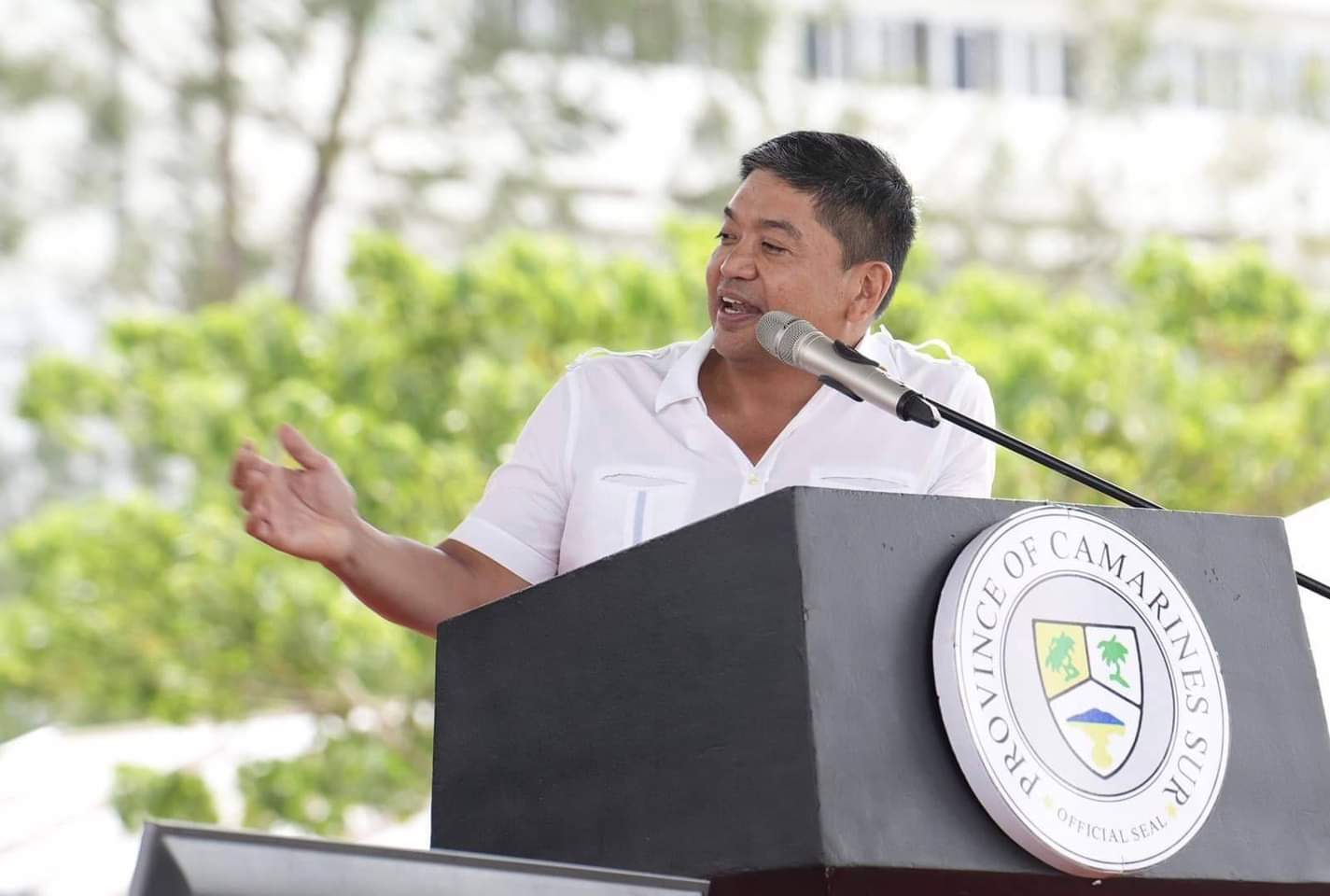
FB_IMG_1679041889960.jpgCamarines Sur 2nd district Rep. LRay Villafuerte (Facebook)


The local government units (LGU) will retain their autonomy on issuing regulations in their respective localities under the proposed “New Philippine Building Act” under House Bill (HB) No.8500--the measure that seeks to replace the antiquated National Building Code of the Philippines. 

Thus, said Camarines Sur 2nd district Rep. LRay Villafuerte as he highlighted the features of HB No.8500, which the House of Representatives recently passed on third and final reading. 

“Nothing in this Act shall be interpreted to prevent LGUs, pursuant to local autonomy, from enacting local ordinances relating to buildings or structures and their location and planning that will better safeguard life, health, property, and public welfare, consistent with the objectives of this Act and the charter of the concerned LGU," he quoted the measure as saying. 

Villafuerte said that the LGUs will keep this power despite the creation of the Office of the NBO (ONBO) under HB No.8500. 

Unanimously approved on third and final reading by the House via 266-0 vote, the measure provided that the Department of Public Works and Highways (DPWH) secretary would become the concurrent National Building Officer (NBO). 

Under the bill, every city and first-class municipality shall create and operate a separate Office of the Local Building Official (OLBO) headed by a Local Building Official (LBO), who shall be appointed by and be accountable to the NBO. 

The NBO shall appoint each LBO from the list of at least three qualified recommendees of every mayor, subject to the civil service law and its rules and regulations.  

As for second- to sixth-class municipalities, their mayors are empowered  to create and operate their separate OLBOs—should they want to—upon sending a request to, and approval by, the NBO. 

Villafuerte said that the designated LBOs shall have the following powers and functions: 

·       Approve applications for, and issue, reject, suspend, or revoke permits within their territorial or special jurisdictions. Their decisions must  be based upon the completeness and integrity of the application documents supported by the appropriate certifications of building professionals and clearances from relevant government agencies; 

·       Enter any building, structure, or its premises at reasonable times to inspect and determine compliance with the requirements of this proposed Act, rules, as well as the terms and conditions of the permits issued. When it comes to single-family dwellings, though, inspections by the LBOs and/or accredited inspectors must be upon the consent of the occupants or upon lawful orders from the proper courts; 

·       Engage qualified and nationally-accredited building professionals as inspectors and/or structural peer reviewers;  

·       Order the work stopped and prescribe the terms and/or conditions for the work to be allowed to resume, or issue any appropriate order, including cease and desist order and demolition order, when any construction is found to be contrary to the provisions of this proposed Act or of the terms and conditions of the issued construction permits; and  

 -       Order the discontinuance of the use or occupancy of any building or structure, or a portion thereof, found to be used or occupied contrary to the provisions of this proposed, or of the terms and conditions of the issued construction permits. 

Villafuerte says that this proposed law aims “to protect the public against multiple hazards like fire, weather disturbances, and earthquake better than our existing building law and regulations.” 

He noted that building construction plays a critical role in mitigating the impact of natural disasters. 

The present National Building Code of the Philippines, as embodied in Presidential Decree (PD) No. 1096, was enacted in February 1977 by then-President Ferdinand Marcos Sr.

Related Tags

lray villafuerte
ADVERTISEMENT
.most-popular .layout-ratio{ padding-bottom: 79.13%; } @media (min-width: 768px) and (max-width: 1024px) { .widget-title { font-size: 15px !important; } }

{{ articles_filter_1561_widget.title }}

.most-popular .layout-ratio{ padding-bottom: 79.13%; } @media (min-width: 768px) and (max-width: 1024px) { .widget-title { font-size: 15px !important; } }

{{ articles_filter_1562_widget.title }}

.most-popular .layout-ratio{ padding-bottom: 79.13%; } @media (min-width: 768px) and (max-width: 1024px) { .widget-title { font-size: 15px !important; } }

{{ articles_filter_1563_widget.title }}

{{ articles_filter_1564_widget.title }}

.mb-article-details { position: relative; } .mb-article-details .article-body-preview, .mb-article-details .article-body-summary{ font-size: 17px; line-height: 30px; font-family: "Libre Caslon Text", serif; color: #000; } .mb-article-details .article-body-preview iframe , .mb-article-details .article-body-summary iframe{ width: 100%; margin: auto; } .read-more-background { background: linear-gradient(180deg, color(display-p3 1.000 1.000 1.000 / 0) 13.75%, color(display-p3 1.000 1.000 1.000 / 0.8) 30.79%, color(display-p3 1.000 1.000 1.000) 72.5%); position: absolute; height: 200px; width: 100%; bottom: 0; display: flex; justify-content: center; align-items: center; padding: 0; } .read-more-background a{ color: #000; } .read-more-btn { padding: 17px 45px; font-family: Inter; font-weight: 700; font-size: 18px; line-height: 16px; text-align: center; vertical-align: middle; border: 1px solid black; background-color: white; } .hidden { display: none; }
function initializeAllSwipers() { // Get all hidden inputs with cms_article_id document.querySelectorAll('[id^="cms_article_id_"]').forEach(function (input) { const cmsArticleId = input.value; const articleSelector = '#article-' + cmsArticleId + ' .body_images'; const swiperElement = document.querySelector(articleSelector); if (swiperElement && !swiperElement.classList.contains('swiper-initialized')) { new Swiper(articleSelector, { loop: true, pagination: false, navigation: { nextEl: '#article-' + cmsArticleId + ' .swiper-button-next', prevEl: '#article-' + cmsArticleId + ' .swiper-button-prev', }, }); } }); } setTimeout(initializeAllSwipers, 3000); const intersectionObserver = new IntersectionObserver( (entries) => { entries.forEach((entry) => { if (entry.isIntersecting) { const newUrl = entry.target.getAttribute("data-url"); if (newUrl) { history.pushState(null, null, newUrl); let article = entry.target; // Extract metadata const author = article.querySelector('.author-section').textContent.replace('By', '').trim(); const section = article.querySelector('.section-info ').textContent.replace(' ', ' '); const title = article.querySelector('.article-title h1').textContent; // Parse URL for Chartbeat path format const parsedUrl = new URL(newUrl, window.location.origin); const cleanUrl = parsedUrl.host + parsedUrl.pathname; // Update Chartbeat configuration if (typeof window._sf_async_config !== 'undefined') { window._sf_async_config.path = cleanUrl; window._sf_async_config.sections = section; window._sf_async_config.authors = author; } // Track virtual page view with Chartbeat if (typeof pSUPERFLY !== 'undefined' && typeof pSUPERFLY.virtualPage === 'function') { try { pSUPERFLY.virtualPage({ path: cleanUrl, title: title, sections: section, authors: author }); } catch (error) { console.error('ping error', error); } } // Optional: Update document title if (title && title !== document.title) { document.title = title; } } } }); }, { threshold: 0.1 } ); function showArticleBody(button) { const article = button.closest("article"); const summary = article.querySelector(".article-body-summary"); const body = article.querySelector(".article-body-preview"); const readMoreSection = article.querySelector(".read-more-background"); // Hide summary and read-more section summary.style.display = "none"; readMoreSection.style.display = "none"; // Show the full article body body.classList.remove("hidden"); } document.addEventListener("DOMContentLoaded", () => { let loadCount = 0; // Track how many times articles are loaded const offset = [1, 2, 3, 4, 5, 6, 7, 8, 9, 10]; // Offset values const currentUrl = window.location.pathname.substring(1); let isLoading = false; // Prevent multiple calls if (!currentUrl) { console.log("Current URL is invalid."); return; } const sentinel = document.getElementById("load-more-sentinel"); if (!sentinel) { console.log("Sentinel element not found."); return; } function isSentinelVisible() { const rect = sentinel.getBoundingClientRect(); return ( rect.top < window.innerHeight && rect.bottom >= 0 ); } function onScroll() { if (isLoading) return; if (isSentinelVisible()) { if (loadCount >= offset.length) { console.log("Maximum load attempts reached."); window.removeEventListener("scroll", onScroll); return; } isLoading = true; const currentOffset = offset[loadCount]; window.loadMoreItems().then(() => { let article = document.querySelector('#widget_1690 > div:nth-last-of-type(2) article'); intersectionObserver.observe(article) loadCount++; }).catch(error => { console.error("Error loading more items:", error); }).finally(() => { isLoading = false; }); } } window.addEventListener("scroll", onScroll); });

Sign up by email to receive news.