

ADVERTISEMENT

Unpaid care, domestic work seen as 'hindrances' to women's self-growth

PCW's Tinig ng Kababaihan discusses prevailing social norms on gender roles and its impact on women

Published Oct 7, 2023 02:44 pm

Domestic care and work are continue to become "hindrances" to opportunities for women and young girls --- especially in remote areas and poor households.
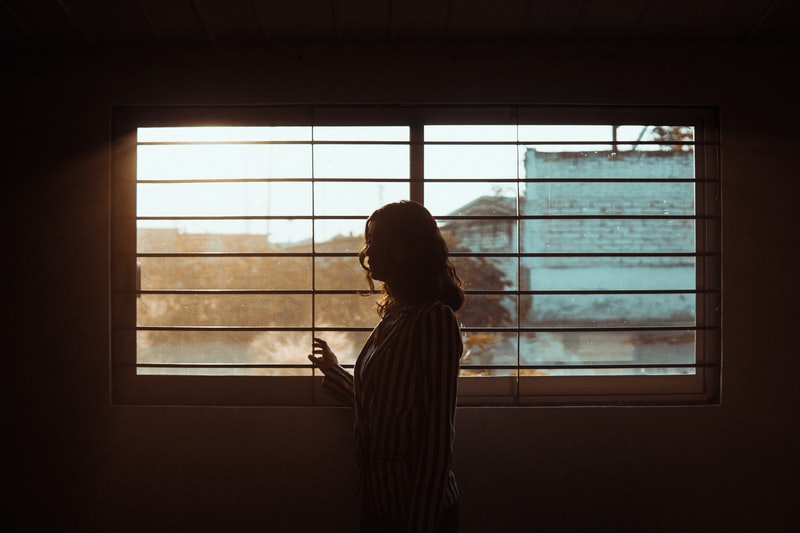
photo-1585352489367-8ad9a2b1adad.jpg
(Photo from Unsplash)

The Philippine Commission on Women's (PCW) program, Tinig ng Kababaihan tackled the issue on women duties in the household which are "unpaid" and often carried out primarily by women.

Aired on Radyo Pilipinas livestream on Oct. 6, Association of Southeast Asian Nations (ASEAN) Engagement Coordinator for Oxfam in Asia Shubert Ciencia explained unpaid care and domestic work involve taking care of children or sicked family members as well as doing household chores.

Ciencia affirmed that the “common actors” of domestic tasks include unemployed women, "out-of-school" youth or young girls, and retired family member.

Social norms on gender roles

Ciencia said that the prevailing social norms on gender roles are one reason why there is an existing mindset that domestic care and works are often attributed to women.

Screenshot_20231007_221818.jpg
Screenshot from Radyo Pilipinas/Tinig ng Kababaihan

"Parang ang tingin po natin dyan ay 'yan ay isang natural na kinalalagyan ng mga kababaihan dahil sila ay ilaw ng tahanan at sila ay mas mahina kaysa sa mga kalalakihan (It seems that we see it as a natural situation of women, as they are the so-called light of the homes and that they are weaker than men)," said Ciencia.

"Unfortunately 'yung mga tungkulin ng unpaid care work ay nasa balikat po ng mga kababaihan (Unfortunately, the obligations of the unpaid care work are shouldered by women)," he added.

Moreover, Ciencia said that unpaid care and domestic work can be considered as "couple burden" for working mothers and women.

"Kapag ikaw ay working mom, working woman, dagdag 'yan sa trabaho mo (If you are working mom, working woman, it is an additional work for you)," said Ciencia.

Ciencia cited an Oxfam research in the program stating that women and young girls spend 11 hours per day for unpaid care and domestic work which is three to four times more than the responsibilities of men and boys.

'Hindrance' to self-growth of women

Ciencia said that domestic care and work are "hindrances" to opportunities for women and young girls especially in remote areas and poor households.

"Hindi sila makapag-pursue ng higher education o kaya magtrabaho sa isang kumpanya dahil sino mag-aalaga sa nanay mo at mga pamangkin mo (They cannot pursue higher education or apply in companies because who will take care of your mother or nephews and nieces),” said Ciencia.

Ciencia also said that it greatly affects women mentally, economically and even physically due to the "mindset" that they are the ones accountable at home.

"Kapag may nangyari sa bahay kasalanan nila, dahil responsibilidad nila 'yan," (If something happened at home it is their fault as it is their responsibilities)," he said.

Domestic work as a 'contribution' to family income

Ciencia noted that they should not be literally paid per se, however, doing domestic care and work should be recognized as a contribution to the income of the family.

"Napakahalagang i-equate natin o i-account natin 'yung contribution ng mga gumagawa ng mga trabahong 'yan dahil kapag wala sila, hindi ganoon 'yung magiging buhay at kabuhayan natin (It is so important to equate or account the contribution of the actors of domestic care and work, because if not for them, our lives and income will not be the same)," he said.

Ciencia said it is accounted that 10.8 trillion US dollars could be spent for unpaid work and domestic care in the world for a year.

The Philippine National Consultation on Valuing and Investing in Unpaid Care and Domestic Work, Ciencia said, advocates for the awareness of members of the household on the unpaid care and domestic work done by women.

He said that it coordinated with the government and private sectors for policies on promoting the Recognition, Reduction, Redistribution and Representation (4Rs) of domestic responsibilities at home. (Lizst Torres Abello)  (Lizst Torres Abello) 

Related Tags

pcw
ADVERTISEMENT
.most-popular .layout-ratio{ padding-bottom: 79.13%; } @media (min-width: 768px) and (max-width: 1024px) { .widget-title { font-size: 15px !important; } }

{{ articles_filter_1561_widget.title }}

.most-popular .layout-ratio{ padding-bottom: 79.13%; } @media (min-width: 768px) and (max-width: 1024px) { .widget-title { font-size: 15px !important; } }

{{ articles_filter_1562_widget.title }}

.most-popular .layout-ratio{ padding-bottom: 79.13%; } @media (min-width: 768px) and (max-width: 1024px) { .widget-title { font-size: 15px !important; } }

{{ articles_filter_1563_widget.title }}

{{ articles_filter_1564_widget.title }}

.mb-article-details { position: relative; } .mb-article-details .article-body-preview, .mb-article-details .article-body-summary{ font-size: 17px; line-height: 30px; font-family: "Libre Caslon Text", serif; color: #000; } .mb-article-details .article-body-preview iframe , .mb-article-details .article-body-summary iframe{ width: 100%; margin: auto; } .read-more-background { background: linear-gradient(180deg, color(display-p3 1.000 1.000 1.000 / 0) 13.75%, color(display-p3 1.000 1.000 1.000 / 0.8) 30.79%, color(display-p3 1.000 1.000 1.000) 72.5%); position: absolute; height: 200px; width: 100%; bottom: 0; display: flex; justify-content: center; align-items: center; padding: 0; } .read-more-background a{ color: #000; } .read-more-btn { padding: 17px 45px; font-family: Inter; font-weight: 700; font-size: 18px; line-height: 16px; text-align: center; vertical-align: middle; border: 1px solid black; background-color: white; } .hidden { display: none; }
function initializeAllSwipers() { // Get all hidden inputs with cms_article_id document.querySelectorAll('[id^="cms_article_id_"]').forEach(function (input) { const cmsArticleId = input.value; const articleSelector = '#article-' + cmsArticleId + ' .body_images'; const swiperElement = document.querySelector(articleSelector); if (swiperElement && !swiperElement.classList.contains('swiper-initialized')) { new Swiper(articleSelector, { loop: true, pagination: false, navigation: { nextEl: '#article-' + cmsArticleId + ' .swiper-button-next', prevEl: '#article-' + cmsArticleId + ' .swiper-button-prev', }, }); } }); } setTimeout(initializeAllSwipers, 3000); const intersectionObserver = new IntersectionObserver( (entries) => { entries.forEach((entry) => { if (entry.isIntersecting) { const newUrl = entry.target.getAttribute("data-url"); if (newUrl) { history.pushState(null, null, newUrl); let article = entry.target; // Extract metadata const author = article.querySelector('.author-section').textContent.replace('By', '').trim(); const section = article.querySelector('.section-info ').textContent.replace(' ', ' '); const title = article.querySelector('.article-title h1').textContent; // Parse URL for Chartbeat path format const parsedUrl = new URL(newUrl, window.location.origin); const cleanUrl = parsedUrl.host + parsedUrl.pathname; // Update Chartbeat configuration if (typeof window._sf_async_config !== 'undefined') { window._sf_async_config.path = cleanUrl; window._sf_async_config.sections = section; window._sf_async_config.authors = author; } // Track virtual page view with Chartbeat if (typeof pSUPERFLY !== 'undefined' && typeof pSUPERFLY.virtualPage === 'function') { try { pSUPERFLY.virtualPage({ path: cleanUrl, title: title, sections: section, authors: author }); } catch (error) { console.error('ping error', error); } } // Optional: Update document title if (title && title !== document.title) { document.title = title; } } } }); }, { threshold: 0.1 } ); function showArticleBody(button) { const article = button.closest("article"); const summary = article.querySelector(".article-body-summary"); const body = article.querySelector(".article-body-preview"); const readMoreSection = article.querySelector(".read-more-background"); // Hide summary and read-more section summary.style.display = "none"; readMoreSection.style.display = "none"; // Show the full article body body.classList.remove("hidden"); } document.addEventListener("DOMContentLoaded", () => { let loadCount = 0; // Track how many times articles are loaded const offset = [1, 2, 3, 4, 5, 6, 7, 8, 9, 10]; // Offset values const currentUrl = window.location.pathname.substring(1); let isLoading = false; // Prevent multiple calls if (!currentUrl) { console.log("Current URL is invalid."); return; } const sentinel = document.getElementById("load-more-sentinel"); if (!sentinel) { console.log("Sentinel element not found."); return; } function isSentinelVisible() { const rect = sentinel.getBoundingClientRect(); return ( rect.top < window.innerHeight && rect.bottom >= 0 ); } function onScroll() { if (isLoading) return; if (isSentinelVisible()) { if (loadCount >= offset.length) { console.log("Maximum load attempts reached."); window.removeEventListener("scroll", onScroll); return; } isLoading = true; const currentOffset = offset[loadCount]; window.loadMoreItems().then(() => { let article = document.querySelector('#widget_1690 > div:nth-last-of-type(2) article'); intersectionObserver.observe(article) loadCount++; }).catch(error => { console.error("Error loading more items:", error); }).finally(() => { isLoading = false; }); } } window.addEventListener("scroll", onScroll); });

Sign up by email to receive news.