

ADVERTISEMENT

Group offers affordable housing through bamboo technology

Published Oct 5, 2023 09:27 am

The Habitat for Humanity Philippines is offering affordable housing in support of the government’s goal of addressing the 6.5 million backlog in housing for informal settler families (ISFs) and low-income earners in the country.

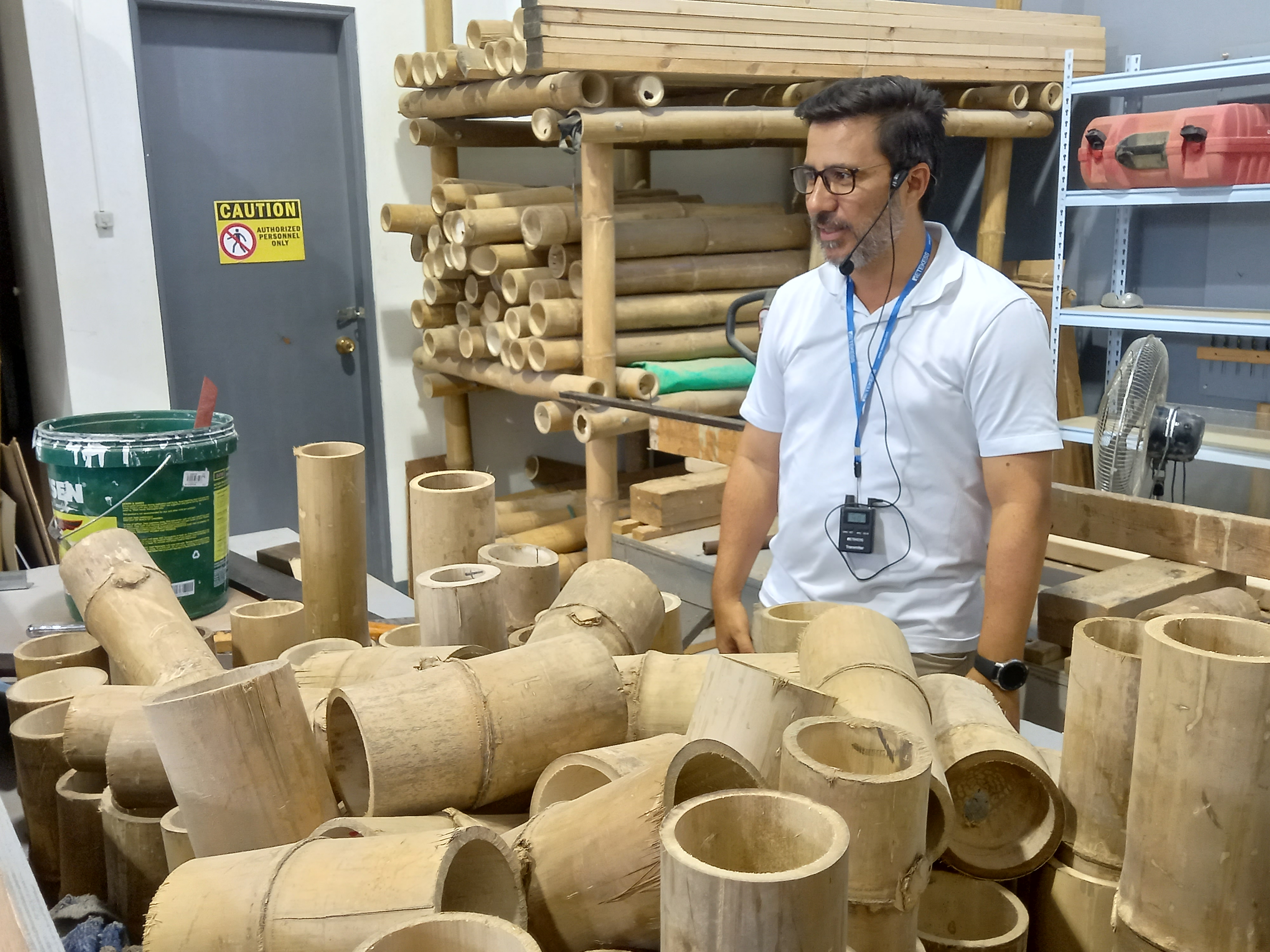
In a press briefing on Thursday, Oct. 5, at the Base Bahay Innovation Center in Makati, the group offered low-cost housing in various sections of the country using the Cement Bamboo Frame Technology (CBFT).

"Kami ay ganap na sumusuporta at nakatuon sa pagtulong sa gobyerno sa pagtugon sa 6.5 milyong backlog ng pabahay para sa mga sambahayan na may mababang kita sa buong bansa (We completely support and are dedicated to assisting the government in addressing the 6.5 million housing backlog for low-income households across the nation),” said President- Base Bahay Foundation Inc. Maricen Jalandoni.

Jalandoni said the Habitat Philippines is also focusing to extend the housing assistance to low-income earners and ISFs, particularly those who are not members of the Home Development Mutual Fund or Pag-IBIG.
 

20231005_114438.jpg


“Marami sa ating mga pamilyang may mababang kita ay walang access sa mga pautang mula sa Pag-IBIG kaya dito tayo pumapasok. Bibigyan natin sila ng pagkakataong magkaroon ng sariling bahay sa pamamagitan ng ating mga low-cost housing projects (Many of our low-income families have no access to loans from Pag-IBIG so this is where we come in. We will provide them the opportunity to have their own home through our low-cost housing projects),” she said.

"We need innovative solutions to solve this housing backlog through affordable and sustainable means. We at Hilti Foundation are optimistic that the multi-modal approach and CBFT in constructing socialized housing will help address this problem," Jalandoni added.

Additionally, bamboo is resilient, as it can withstand wind speeds of up to 250 kilometers per hour and earthquakes up to 7.5 on the Richter scale.

Jalandoni also highlighted that the multi-modal approach in the construction of houses is an ideal and cost-effective option in geographically challenging areas where vertical housing is not feasible.

To achieve the target of building one million housing units yearly through the government’s housing program, he also emphasized the significance of partnerships between private organizations and the government in various housing programs.

Among those who attended the event were Habitat Philippines Deputy National Director Ariane Aliggayu, ALPAS Consultancy CEO & Co-Founder Marzie Marzan, Head of Technology Director of the Base Innovation Center Engr. Luis Felipe Lopez, and other members of government officials.

Habitat for Humanity, with Hilti Foundation and Base Bahay, recently turned over 40 housing units to beneficiaries in Silay City under its Negros Occidental Impact 2025 (NOI25) Project.

The NOI25 Project has already built 362 houses in Silay City and 60 houses in San Carlos City. Another housing project is soon to rise in La Carlota City.
 

20231005_111315.jpg


What’s CBFT?

CBFT is described as eco-friendly and can weather natural disasters and reduce carbon emissions in the manufacturing process. 

Luis Felipe Lopez, Technology director of the Base Innovation Center said this was already proven in its housing project in Negros Occidental, in partnership with the Hilti Foundation and the Base Bahay Foundation.

“We’ve already built almost 500 of these Cement Bamboo Frame houses in Negros and about 322 in Silay. We’ve built 60 in San Carlos and we’re building more” Lopez said in the “BASE Innovation Center Media Tour” forum concluded by Luis Noda, Habitat for Humanity International’s Vice President for Asia-Pacific, urging stakeholders to respond to the housing need through stronger collaborations.

“The cement-bamboo frame not only builds houses but also contributes to the local economy and the resiliency of the Philippines as a whole,” he added.

Lopez introduced innovative bamboo housing technologies aimed at assisting vulnerable informal settler families to different national and local government officials.

Resilient indeed 

He pointed out that bamboo is the ideal material for developing affordable housing projects due to its resilience, sustainability, and cost.

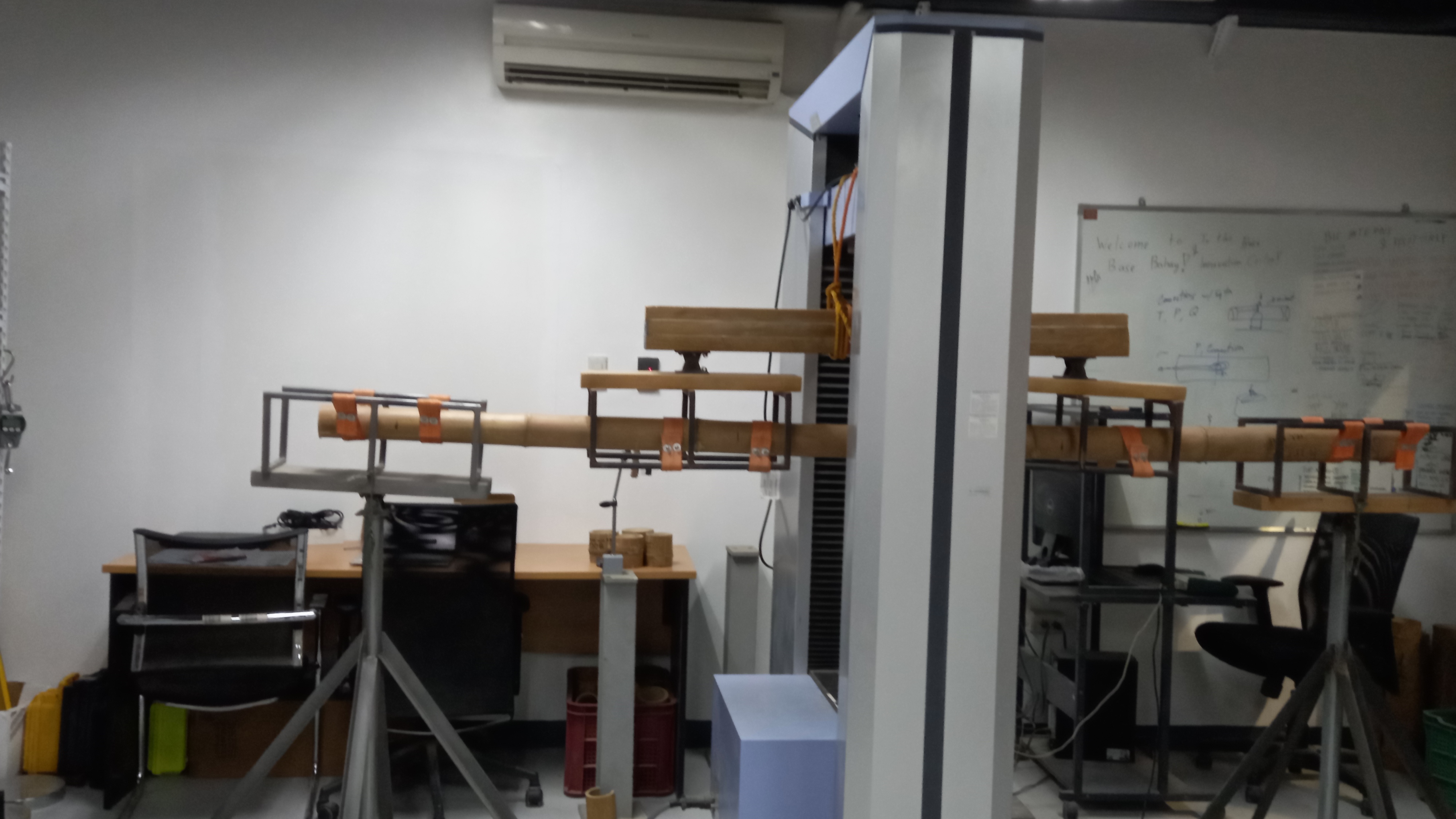
"We’ve tested bamboo in our labs for many years regarding its resiliency. It’s strong and flexible at the same time,” he said.

When produced according to the standards of the Hilti Foundation, bamboo can resist wind speeds of up to 250 kilometers per hour and earthquakes up to 7.5 on the Richter scale.

“Supply is not an issue as bamboo is a local material,” he pointed out, adding it creates employment and knowledge even in remote parts of the country because it is harvested and treated locally.

Through Hilti Foundation’s partnership with Habitat for Humanity and Base Bahay Foundation, providing indigent families in Silay City, Negros Occidental gives them security that extends to different fields of their lives.

“We are trying to contribute to that 1 million houses a year because we believe this is really aligned with our mission of providing a home for every Filipino,” said Lopez.

One of the largest international housing nongovernment organizations in the world, Habitat for Humanity has been in the Philippines for 35 years and has already built more than 150,000 houses for marginalized Filipinos. (Trixee Rosel)


Related Tags

Habitat for Humanity pabahay
ADVERTISEMENT
.most-popular .layout-ratio{ padding-bottom: 79.13%; } @media (min-width: 768px) and (max-width: 1024px) { .widget-title { font-size: 15px !important; } }

{{ articles_filter_1561_widget.title }}

.most-popular .layout-ratio{ padding-bottom: 79.13%; } @media (min-width: 768px) and (max-width: 1024px) { .widget-title { font-size: 15px !important; } }

{{ articles_filter_1562_widget.title }}

.most-popular .layout-ratio{ padding-bottom: 79.13%; } @media (min-width: 768px) and (max-width: 1024px) { .widget-title { font-size: 15px !important; } }

{{ articles_filter_1563_widget.title }}

{{ articles_filter_1564_widget.title }}

.mb-article-details { position: relative; } .mb-article-details .article-body-preview, .mb-article-details .article-body-summary{ font-size: 17px; line-height: 30px; font-family: "Libre Caslon Text", serif; color: #000; } .mb-article-details .article-body-preview iframe , .mb-article-details .article-body-summary iframe{ width: 100%; margin: auto; } .read-more-background { background: linear-gradient(180deg, color(display-p3 1.000 1.000 1.000 / 0) 13.75%, color(display-p3 1.000 1.000 1.000 / 0.8) 30.79%, color(display-p3 1.000 1.000 1.000) 72.5%); position: absolute; height: 200px; width: 100%; bottom: 0; display: flex; justify-content: center; align-items: center; padding: 0; } .read-more-background a{ color: #000; } .read-more-btn { padding: 17px 45px; font-family: Inter; font-weight: 700; font-size: 18px; line-height: 16px; text-align: center; vertical-align: middle; border: 1px solid black; background-color: white; } .hidden { display: none; }
function initializeAllSwipers() { // Get all hidden inputs with cms_article_id document.querySelectorAll('[id^="cms_article_id_"]').forEach(function (input) { const cmsArticleId = input.value; const articleSelector = '#article-' + cmsArticleId + ' .body_images'; const swiperElement = document.querySelector(articleSelector); if (swiperElement && !swiperElement.classList.contains('swiper-initialized')) { new Swiper(articleSelector, { loop: true, pagination: false, navigation: { nextEl: '#article-' + cmsArticleId + ' .swiper-button-next', prevEl: '#article-' + cmsArticleId + ' .swiper-button-prev', }, }); } }); } setTimeout(initializeAllSwipers, 3000); const intersectionObserver = new IntersectionObserver( (entries) => { entries.forEach((entry) => { if (entry.isIntersecting) { const newUrl = entry.target.getAttribute("data-url"); if (newUrl) { history.pushState(null, null, newUrl); let article = entry.target; // Extract metadata const author = article.querySelector('.author-section').textContent.replace('By', '').trim(); const section = article.querySelector('.section-info ').textContent.replace(' ', ' '); const title = article.querySelector('.article-title h1').textContent; // Parse URL for Chartbeat path format const parsedUrl = new URL(newUrl, window.location.origin); const cleanUrl = parsedUrl.host + parsedUrl.pathname; // Update Chartbeat configuration if (typeof window._sf_async_config !== 'undefined') { window._sf_async_config.path = cleanUrl; window._sf_async_config.sections = section; window._sf_async_config.authors = author; } // Track virtual page view with Chartbeat if (typeof pSUPERFLY !== 'undefined' && typeof pSUPERFLY.virtualPage === 'function') { try { pSUPERFLY.virtualPage({ path: cleanUrl, title: title, sections: section, authors: author }); } catch (error) { console.error('ping error', error); } } // Optional: Update document title if (title && title !== document.title) { document.title = title; } } } }); }, { threshold: 0.1 } ); function showArticleBody(button) { const article = button.closest("article"); const summary = article.querySelector(".article-body-summary"); const body = article.querySelector(".article-body-preview"); const readMoreSection = article.querySelector(".read-more-background"); // Hide summary and read-more section summary.style.display = "none"; readMoreSection.style.display = "none"; // Show the full article body body.classList.remove("hidden"); } document.addEventListener("DOMContentLoaded", () => { let loadCount = 0; // Track how many times articles are loaded const offset = [1, 2, 3, 4, 5, 6, 7, 8, 9, 10]; // Offset values const currentUrl = window.location.pathname.substring(1); let isLoading = false; // Prevent multiple calls if (!currentUrl) { console.log("Current URL is invalid."); return; } const sentinel = document.getElementById("load-more-sentinel"); if (!sentinel) { console.log("Sentinel element not found."); return; } function isSentinelVisible() { const rect = sentinel.getBoundingClientRect(); return ( rect.top < window.innerHeight && rect.bottom >= 0 ); } function onScroll() { if (isLoading) return; if (isSentinelVisible()) { if (loadCount >= offset.length) { console.log("Maximum load attempts reached."); window.removeEventListener("scroll", onScroll); return; } isLoading = true; const currentOffset = offset[loadCount]; window.loadMoreItems().then(() => { let article = document.querySelector('#widget_1690 > div:nth-last-of-type(2) article'); intersectionObserver.observe(article) loadCount++; }).catch(error => { console.error("Error loading more items:", error); }).finally(() => { isLoading = false; }); } } window.addEventListener("scroll", onScroll); });

Sign up by email to receive news.