







DOH conducts biosafety training for health workers


The Department of Health (DOH), in partnership with the Biorisk Management Office (BRMO) of the Research Institute for Tropical Medicine (RITM), has successfully conducted the second batch of "Training on the Fundamentals of Biosafety, Biosecurity, and Respirator Fit Testing for Covid-19" on Thursday, Oct. 5.

DOH said this training was for health personnel from various regional offices in Luzon, including Ilocos, the Cordillera Administrative Region (CAR), Cagayan Valley, Mimaropa, Calabarzon, Bicol, and the National Capital Region (NCR).
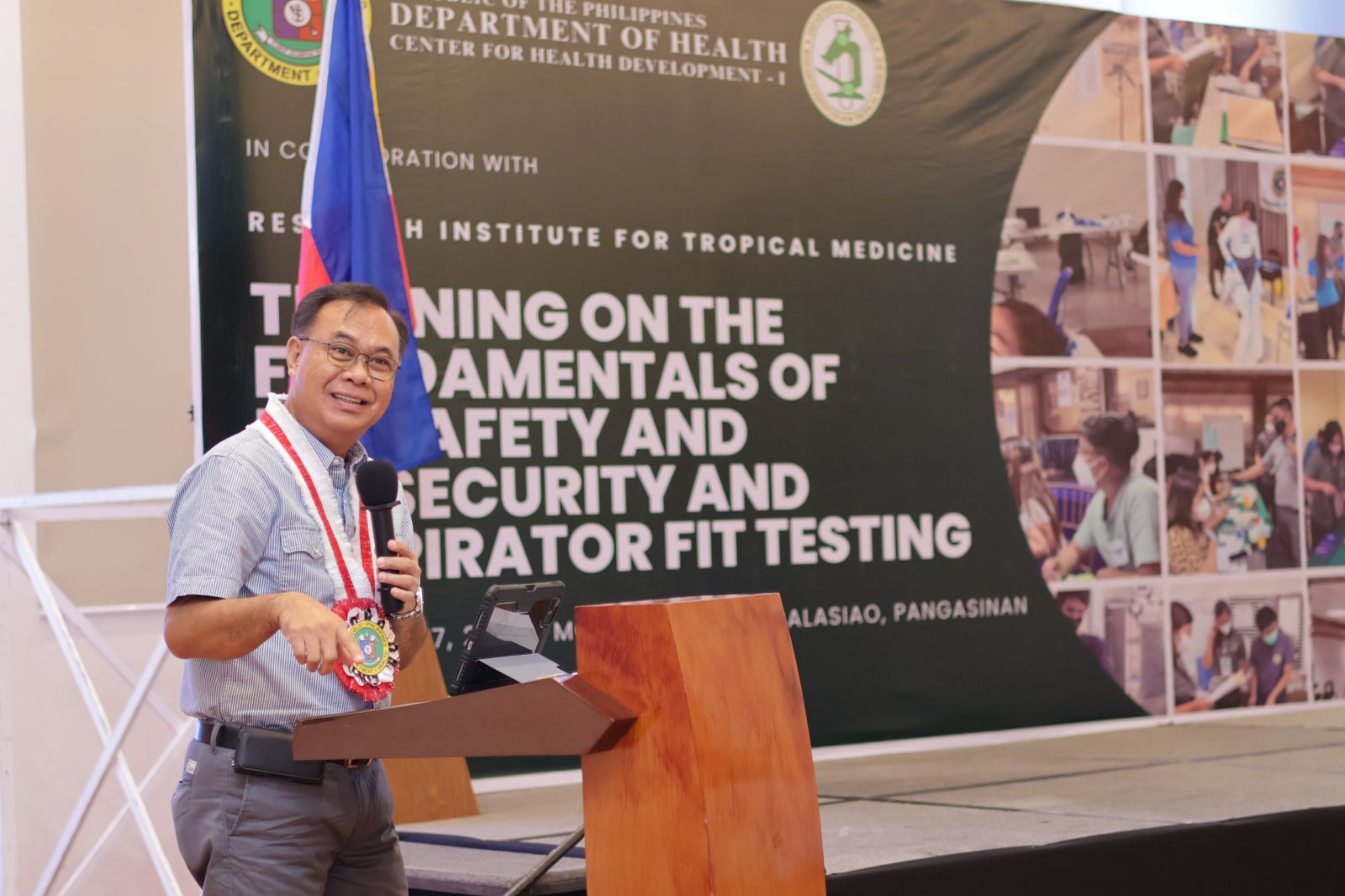
Health Undersecretary Dr. Nestor F. Santiago, Jr. underscored the importance of this initiative. "A crucial step in achieving our goal is empowering the regional counterparts of the National Laboratory Response Network Unit (NLRNU) with the knowledge and skills required to competently manage their respective laboratory networks," he said.
A total of 66 health professionals, including medical technologists, doctors, and nurses, completed this intensive five-day training program, as per DOH.
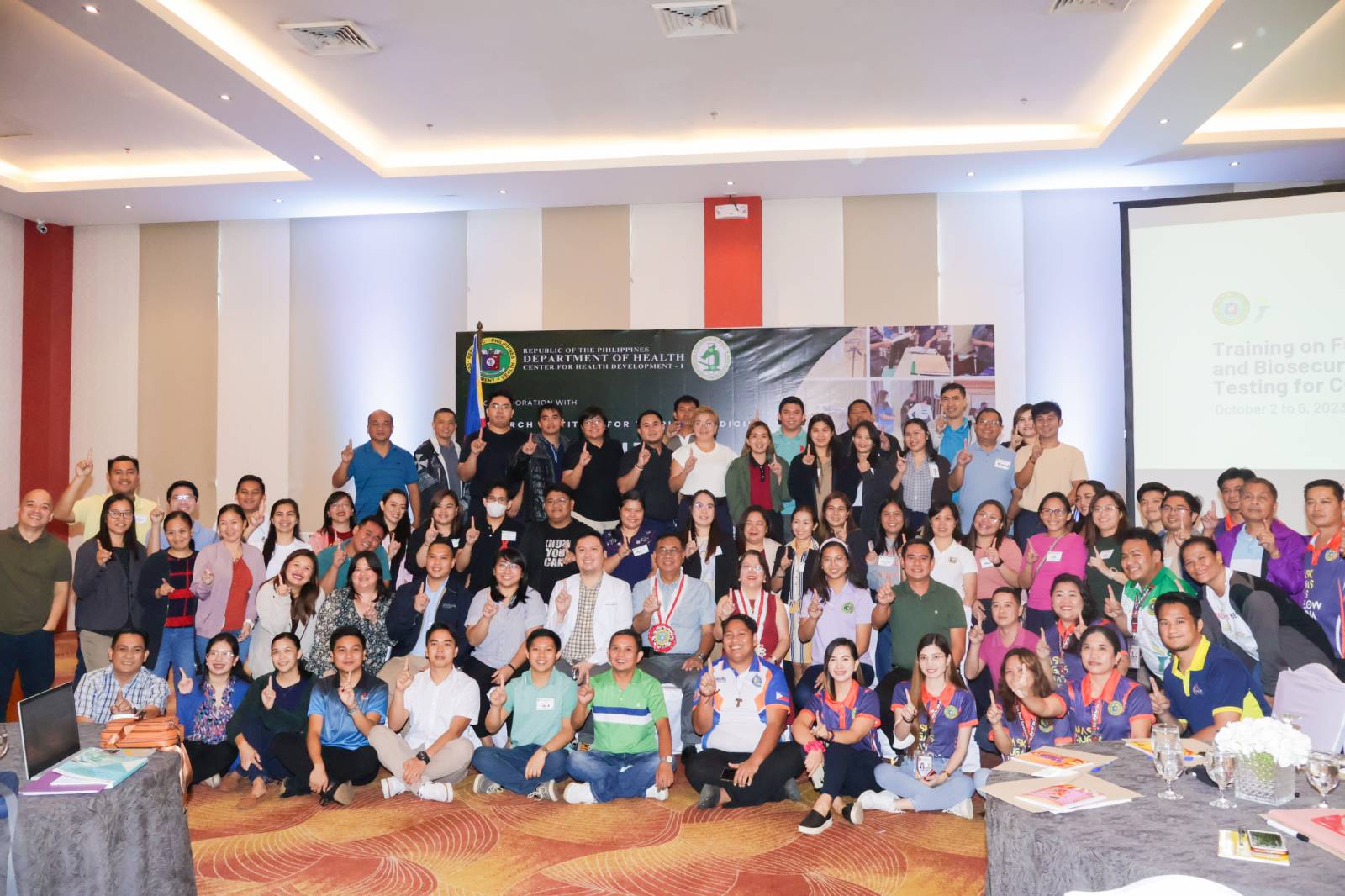
DOH also said that the comprehensive curriculum covered essential topics such as biosafety fundamentals, biorisk management, proper procedures for donning and doffing personal protective equipment (PPE), biorisk mitigation control, safe transportation of infectious substances, and protocols for responding to laboratory accidents and incidents.
This training initiative is in line with the DOH’s broader efforts to fortify the nation's healthcare system as it transitions away from the Covid-19 public health emergency.
Santiago noted that the Laboratory Response Network (LRN) aimed to ensure efficient, effective, and continuous operations for detecting diseases of significant public health concern, including Covid-19.
He also stressed that the training program seeks to deliver tangible outcomes that will significantly contribute to realizing the strategic interventions outlined in the "Proteksyon sa Anumang Pandemya" (Protection Against Any Pandemic) 8-point Action Agenda.
Moreover, Santiago said the initiative is expected to bolster the implementation of Universal Health Coverage (UHC), ultimately working toward the overarching goal of Healthy Pilipinas where "every life is valued and protected. (Zekinah Elize Espina)