






 Environment and Sustainability
Coca-Cola Philippines, PlasticBank, and Lighthouse uphold commitment in creating a world without waste
Environment and Sustainability
Coca-Cola Philippines, PlasticBank, and Lighthouse uphold commitment in creating a world without waste
Coca-Cola Philippines, PlasticBank, and Lighthouse uphold commitment in creating a world without waste
Organizations in synergy leading the charge in waste management


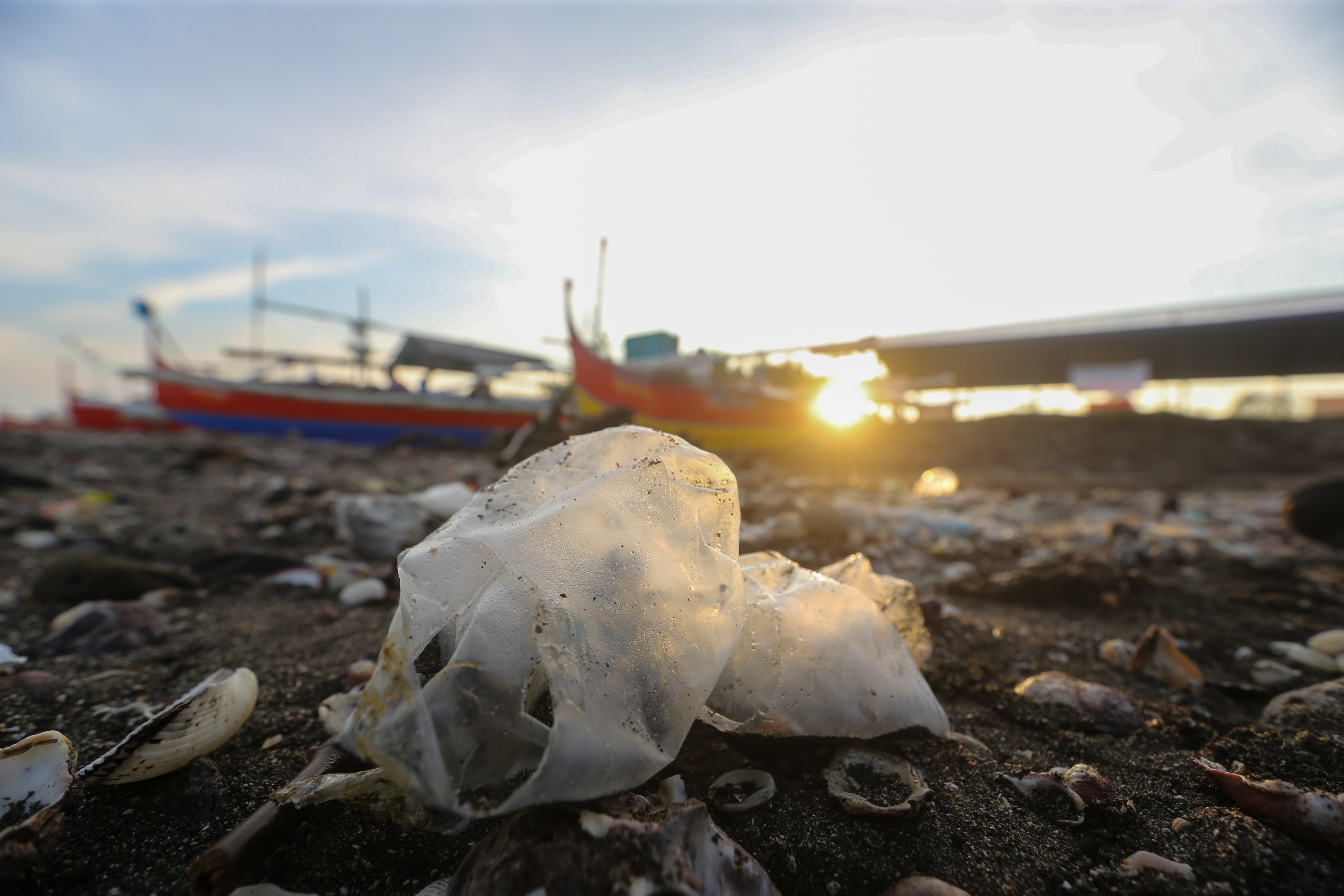
One-third of all oceanic plastic wastes in the world came from the Philippines, according to a study published in the Science Advances journal, which goes to show that the country is still facing major difficulty in managing plastic wastes nationwide.
Plastic waste mismanagement is a major land-based cause of plastic pollution, but this can be reduced through improvements in the life-cycle of plastics, especially in production, consumption, and disposal.
A lot of big organizations in the country have been taking part in the combat against worsening ocean pollution by constantly developing smart solutions, including Coca-Cola Philippines, Plastic Bank, and Lighthouse Legacy Foundation.
Coca-Cola recognizes their responsibility to help solve the global plastic packaging waste issue and continuously upholds commitment to its World Without Waste vision by giving maximum efforts towards a circular economy. The company aims to make 100% of its packaging recyclable globally by 2025, use at least 50% recycled material in their packaging by 2030, and help collect the equivalent of every can and bottle it sells by 2030 - and they believe these can come true through constant and effective efforts.
In the recent International Coastal Cleanup (ICC) 2023 held on September 16, Coca-Cola Philippines have partnered with Plastic Bank and Lighthouse Legacy Foundation to mount the event at the Julugan Fish Port in Tanza, Cavite. The program gathered together 200 volunteers to collect debris and marine waste to help address coastal waste issues in the area.

"It doesn't happen without our partners and volunteers. At Coca-Cola, we're serious about making a long-term difference on this topic. Factoring marine debris, and supporting a circular economy for our packaging takes a collective effort.” said Coca-Cola Philippines President Tony Del Rosario during his opening remarks, highlighting the importance of teamwork and collaboration with partner organizations.
An initiative of Ocean Conservancy which Coca-Cola have been supporting since 1995, the ICC is a global movement wherein volunteers from more than 90 participating countries help make shorelines, rivers, lakes, and waterways litter-free and raise environmental awareness.


In 2021, Coca-Cola Philippines started partnering up with the Plastic Bank to prevent plastic from entering the ocean while helping improve the livelihoods of communities that rely on waste collection.
“The plastic problem is really happening on the disposal side, not on the production. We know in Plastic Bank that we cannot do it alone. That's why our model is always to partner with different stakeholders, to create a collection community. We feel that we need progressive corporations like Coca-Cola to support us." Dhang Tecson, the Global Director for Country Operations of Plastic Bank shared during an interview with Manila Bulletin.
Since the alliance was forged, collected and segregated wastes from ICC clean-up drives are handed over to Plastic Bank’s partner junk shops - where they sort and record data of collected plastics via a mobile application which makes the scraps traceable; important for the recycling and reporting on operational metrics.
The sorted wastes will then be transferred to an affiliated processor which will repurpose them for use by partner manufacturers.

In addition, they are given tools and equipment for efficient waste collection, such as sacks, branch uniforms, weighing scales, and shop signages.
This year, clean-up drive volunteers from the Coca-Cola Philippines system, waste collection members of Ecosystem Impact Program, Plastic Bank Philippines, ICC Philippines, Lighthouse Legacy Foundation, the Local Government of Tanza, Philippine Coast Guard Cavite Chapter, and Don Bosco School of Theology were able to collect more than 1,000 kilograms of waste in the area.
“Beyond the numbers, what we are achieving here is really creating awareness and people learning about the Extended Producer Responsibility (EPR) law. And in a way, we’re creating something appealing - an emotion, and that’s what we hope to do beyond the numbers.” Zed Avecilla, the Executive Director of the Lighthouse Legacy Foundation, shared his insight about the partnership during an interview with Manila Bulletin.

The annual ICC event serves as an annual reminder and opportunity to keep the country’s water bodies waste-free and Coca-Cola continues to value this initiative with Ocean Conservancy every year, by putting forward innovative strategies derived from fruitful collaborations.
With the strengthening alliance with Plastic Bank and Lighthouse Legacy Foundation, Coca-Cola Philippines brings its World Without Waste vision at a greater distance towards a more sustainable future.
For more updates on the projects and products of Coca Cola, visit https://www.coca-cola.com/ph/en and follow their Facebook page.