







Dengue remains a prevailing concern in PH --- expert


As dengue remains a prevailing concern in the country, an expert underscored the importance of effective prevention measures and proper patient care to significantly reduce the complications among those affected.
In a Department of Health (DOH) Kapihan with the Media session on dengue prevention, treatment, and national programs held on Wednesday, Oct. 4,
Research Institute for Tropical Medicine (RITM) Medical Department Officer-in-Charge Dr. Arthur Dessi E. Roman shared vital insights on how to curb the spread of dengue cases in the country.
Facts on dengue
Roman provided insights into dengue's transmission, explaining that it is caused by a virus transmitted through the bite of “Aedes aegypti” mosquitoes.
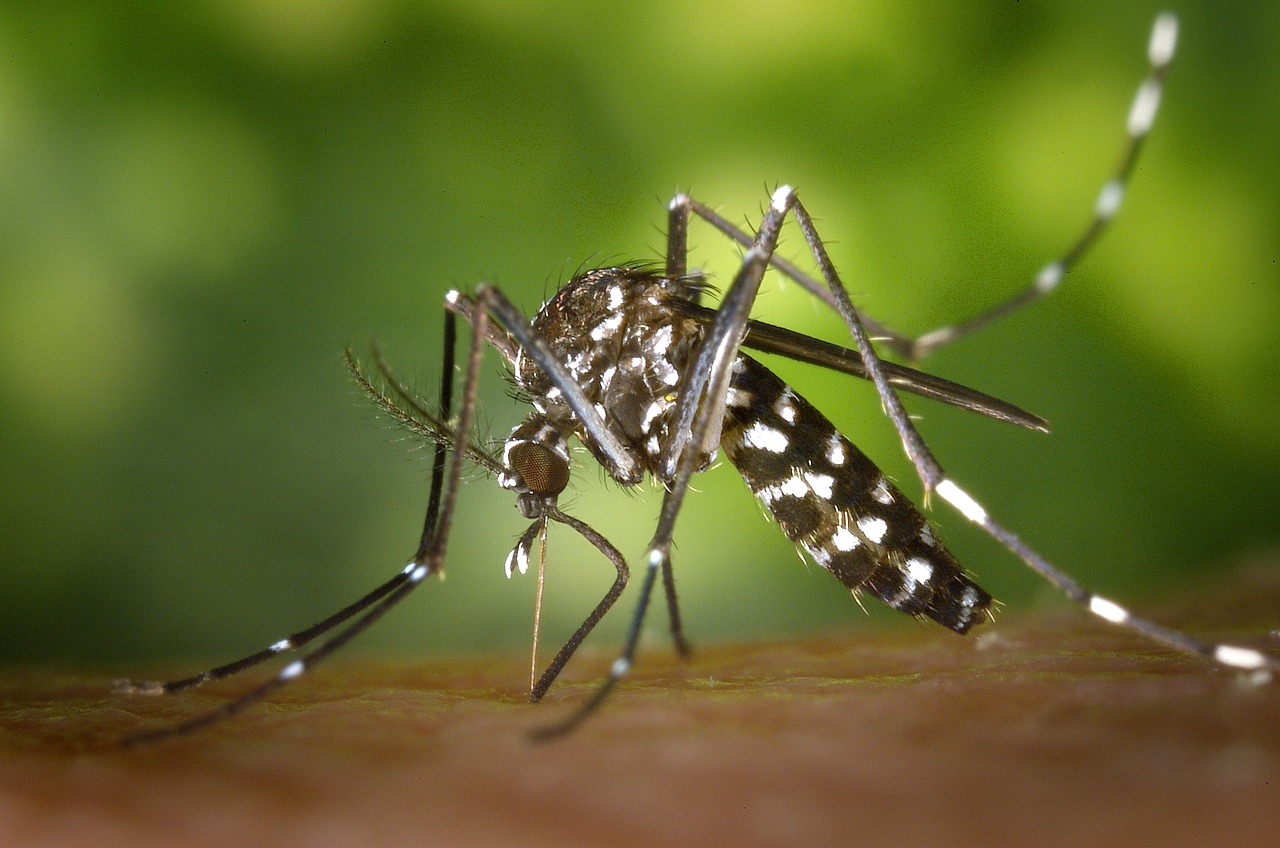
These mosquitoes, he explained, are most active during specific periods: 6 a.m. to 8 a.m. and 4 p.m. to 6 p.m.
“They tend to lay their eggs in clean water, favor dark environments, exhibit distinctive white stripes on their abdomen or legs, primarily bite during daylight hours, and are most active two hours after sunrise and a few hours before sunset,” he said.
Among the initial symptoms of dengue, Roman explained, include fever lasting two to seven days, headaches, dizziness, vomiting, pain behind the eyes, skin rash, and muscle and joint discomfort.
Severe dengue symptoms include confusion, nosebleeds, vomiting with blood, breathing difficulties, severe abdominal pain, paleness, and profuse sweating, Roman said.
Related to this, Roman urged those who have these symptoms to promptly seek medical consultation at a doctor's office, clinic, or health center --- especially those who experience a fever lasting for two days.
“This timely action allows for an assessment of the condition, proper treatment, and guidance on dengue management,” Roman said.
He also stressed the importance of maintaining a healthy lifestyle, which includes proper nutrition and regular exercise, as well as taking measures to prevent mosquito bites and ensuring a clean living environment.
Dengue cases
Citing data from the World Health Organization (WHO), Roman highlighted that in 2021, dengue continued to affect several countries, including Brazil, India, Vietnam, the Philippines, the Cook Islands, Colombia, Fiji, Kenya, Paraguay, Peru, and the Reunion Islands, according to WHO reports.
Turning to local statistics, Roman presented data from the DOH Epidemiology Bureau, which indicated that, as of epidemiological week 28 of 2023, the Philippines had recorded 132 new dengue cases.
As of July 15 this year, the DOH reported a total of 80,318 dengue cases. This figure represented a 17-percent decrease compared to the same period in 2022.
During this time frame, Roman noted that there were 299 deaths which was lower compared to 405 deaths reported in 2022. (Zekinah Elize Espina)