






 Environment and Sustainability
Powering the good life through Meralco's long-term sustainability strategy
Environment and Sustainability
Powering the good life through Meralco's long-term sustainability strategy
Powering the good life through Meralco's long-term sustainability strategy


With the Philippines as among the most vulnerable to climate change, developing and implementing sustainability programs has become a must to ensure continuous economic growth and inclusive social development.
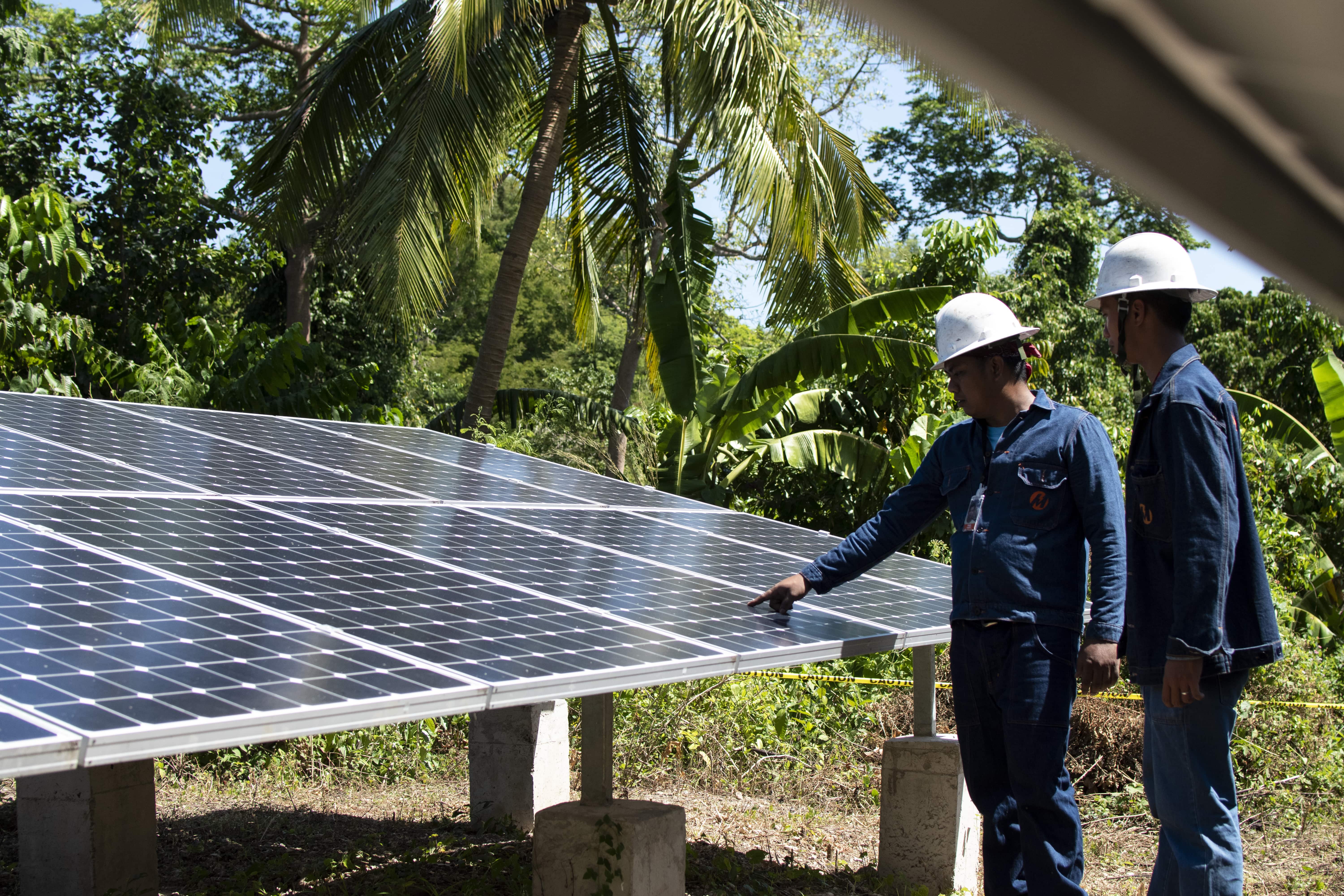
If left unaddressed, climate change will have a substantial economic impact in the Philippines—reducing the country’s gross domestic product by as much as 13.6 percent by 2040 according to the World Bank’s 2022 Philippines Country Climate and Development Report. This risk has prompted a recalibration of business practices across different industries with emphasis on sustainable growth.
Recognizing the vital role it plays as a major player in the Philippine energy industry, the Manila Electric Company (Meralco) marks World Sustainability Day with a stronger commitment to powering the good life through a wide set of initiatives that aim to sustainably power cities and communities while preserving the planet, empowering people, and creating prosperity for all.
Charging toward a sustainable energy future
At the center of Meralco's sustainability thrust is its commitment to a just, orderly, and affordable transition to clean energy through decarbonization and sourcing a larger share of its supply portfolio from renewable energy (RE).
Recently, Meralco unveiled its plans to slash its direct emissions by over 20 percent through 2030 in line with the company’s goal to become coal-free by 2050. This target covers Scope 1 emissions, which refer to greenhouse gas emissions directly generated by the company from its thermal power generation and from the use of fuel for vehicles and other equipment. Meralco, through its power generation arm, Meralco PowerGen Corporation (MGen), is accelerating its RE buildout to develop greener generating capacities to power the country with sustainable energy.
To further strengthen its decarbonization efforts, Meralco has contracted 1,880 megawatts (MW) of RE supply—exceeding its initial target of 1,500 MW in compliance with and in support of the Department of Energy’s Renewable Portfolio Standards (RPS) policy.
Under the RPS, electricity suppliers are mandated to increasingly source a portion of their requirements from RE given the government’s goal to increase the share of RE in the country’s energy mix to 35 percent by 2030 and 50 percent by 2040. Currently, the RPS requirement is set at +2.52 percent per annum.
Through Meralco’s strategic sourcing initiatives, RE is expected to account for 22 percent of the distribution utility’s supply portfolio by 2030, and 18 percent of Meralco’s retail electricity supplier, MPower, by 2025.
This will eventually allow the company to reduce its total GHG emissions by 15 percent vis-à-vis its projected baseline 2030 emissions, in line with its energy transition commitment.
“Our just, orderly, and affordable transition to clean energy is at the core of our sustainability journey. And this commitment solidifies our drive to bring to life programs and initiatives that will help serve the country’s growing energy demand with greener power,” Meralco First Vice President and Chief Sustainability Officer and President/CEO of Movem Electric, Inc. Raymond B. Ravelo said.
Driving progress with electric mobility
Embracing eco-friendly transportation is also one of the major initiatives of Meralco to drive sustainable progress.
For years, Meralco has been at the forefront of adopting alternative and sustainable transportation solutions through electric vehicles (EVs).

Meralco’s Green Mobility program aims to electrify at least a quarter of its entire fleet by 2030. Meralco currently has 156 EVs in its fleet—equivalent to a 7 percent vehicle electrification rate, which is higher than the 5 percent mandate of the Electric Vehicle Industry Development Act (EVIDA).
The company has also installed EV charging stations in strategic locations across its franchise area. To continuously drive research on electric mobility, it also performs independent testing of EVs and chargers at the Meralco Power Lab—its testing facility for electricity consumption of various devices.
Meralco’s EV deployments are made possible by the company’s EV subsidiary, Movem, which offers integrated green mobility solutions. Movem aims to accelerate the transition to electric mobility by providing end-to-end solutions covering a broad range of EV options and charging infrastructure, tailor-fit to ensure a comprehensive and robust EV ecosystem.
One with the planet through ‘One For Trees’
Preservation and protection of the natural environment is likewise a key thrust of the distribution utility.
This year, Meralco marked an important sustainability milestone with two million trees planted through the One For Trees program of its social development arm One Meralco Foundation (OMF). Covering forest lands and critical watersheds across the country, the One For Trees program contributes to the preservation and protection of Philippine forests through reforestation and creates livelihood opportunities for communities through agroforestry.
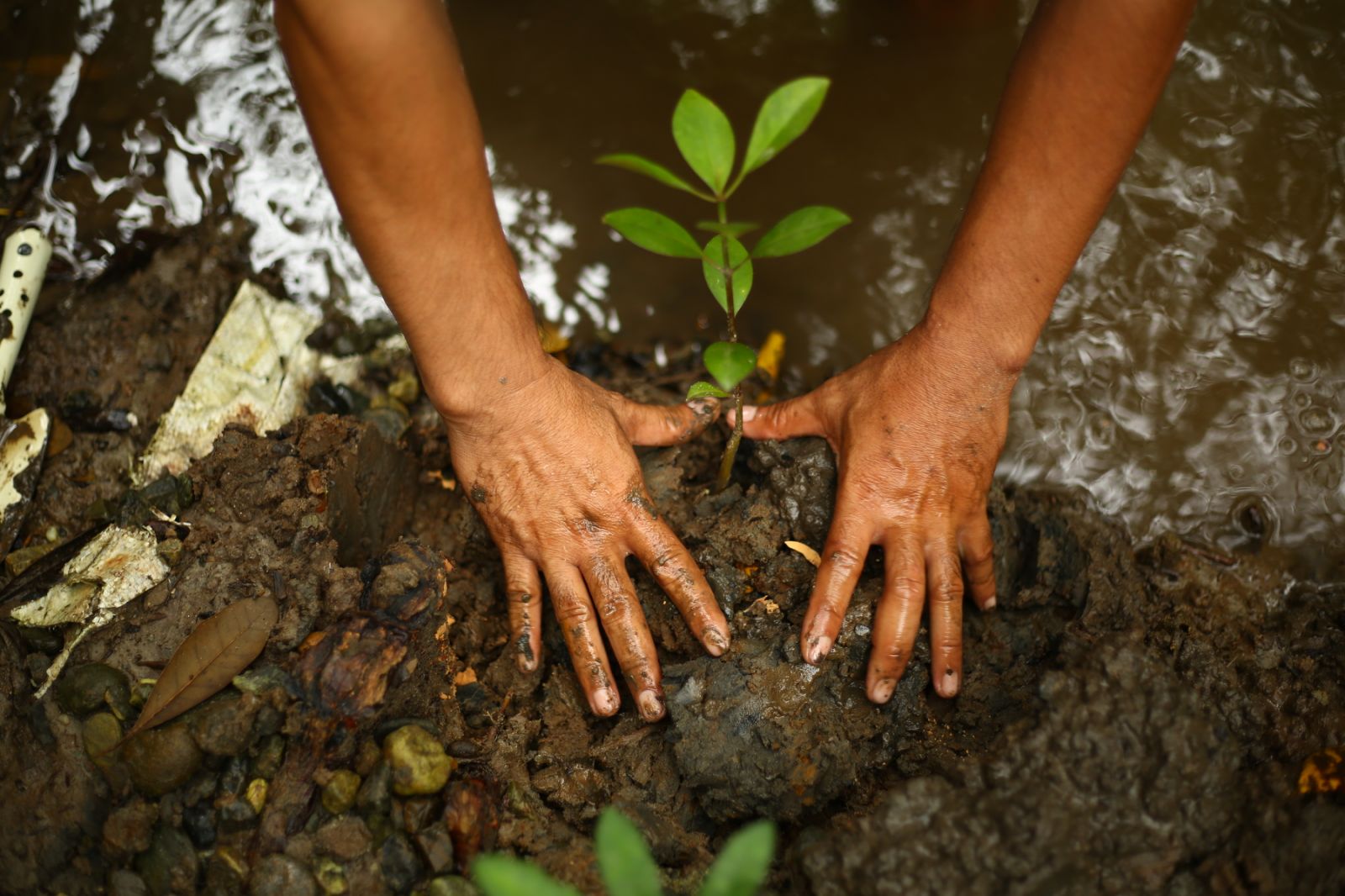
Under the program, OMF has forged partnerships with various organizations, such as the Green Earth Heritage Foundation in San Miguel in Bulacan, the Fostering Education and Environmental Development organization for Siniloan in Laguna, and various local government units in the provinces of Bohol, Bukidnon, Agusan del Norte, among others.
Advancing diversity and inclusion with #Mbrace
Beyond electricity distribution and generation, Meralco’s commitment to sustainability extends to people empowerment through its diversity and inclusion program #Mbrace. Through the program, Meralco significantly increased female representation in its workforce to 22 percent, over and above the global energy sector's average of 13 percent.
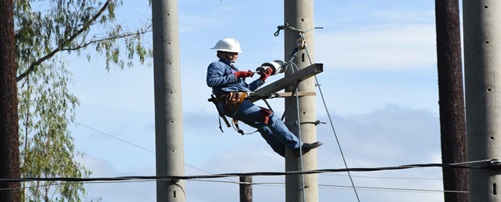
As part of its commitment to champion diversity and inclusion, Meralco pioneered the training and hiring of female linecrew in Southeast Asia in 2013. At present, Meralco has 20 female linecrew in its roster, with seven more undergoing training.
By nurturing a safe, diverse, and inclusive workplace for its people, Meralco has become the first and only electric utility in the Philippines to be included in the Bloomberg Gender Equality Index—the only environmental, social, and governance (ESG) assessment in the world focused on gender equality in the workplace. Meralco was recognized for distinctive performance in anti-sexual harassment policies, gender pay parity, and building an inclusive culture.