

ADVERTISEMENT

From purgatory to paradise

A deeper look into the origins of All Souls' Day

Published Oct 31, 2023 01:13 pm

At A Glance

  • Thus you may understand that love alone is the true seed of every merit in you, and of all acts for which you must atone. — Dante Alighieri,<i> Purgatorio</i>

Each year on Nov. 2, Catholics flock to cemeteries and columbariums to pray over their loved ones who have passed on in celebration of All Souls’ Day. It’s a solemn period, where families gather together to remember the deceased and talk about the memories they have left behind. But it leaves the question, how did All Souls’ Day and the traditions we follow with it come to be?
1.jpg
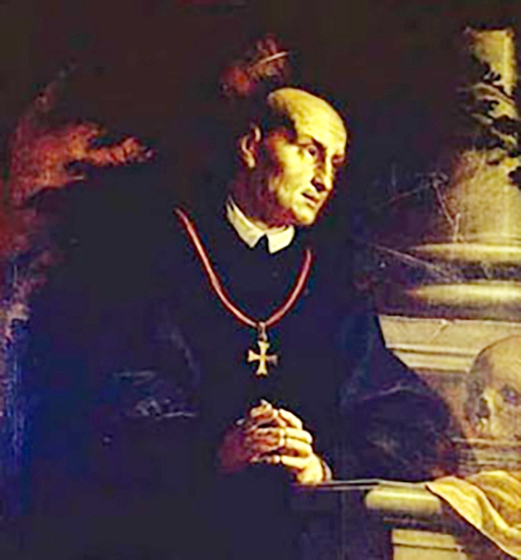
THE MAN WHO STARTED IT ALL Odilo of Cluny is credited as the man who came up with All Souls’ Day

All Souls’ Day can be traced back to the 11th century. While there is no exact date as to when it started, the celebration was thought of by Odilo of Cluny, who served as the head of the influential monastery of the Abbey of Cluny in medieval France. According to legend, Odilo came up with All Souls’ Day after a pilgrim approached him to share the visions he had while being stranded on an island. These visions were of purgatory, a place where the departed must endure purification and atone for their sins before entering heaven. Intrigued by the visions, Odilo assigned Nov. 2 as a special day of prayer for all the departed, placed just one day after All Saints’ Day when saints are honored.
2.jpg
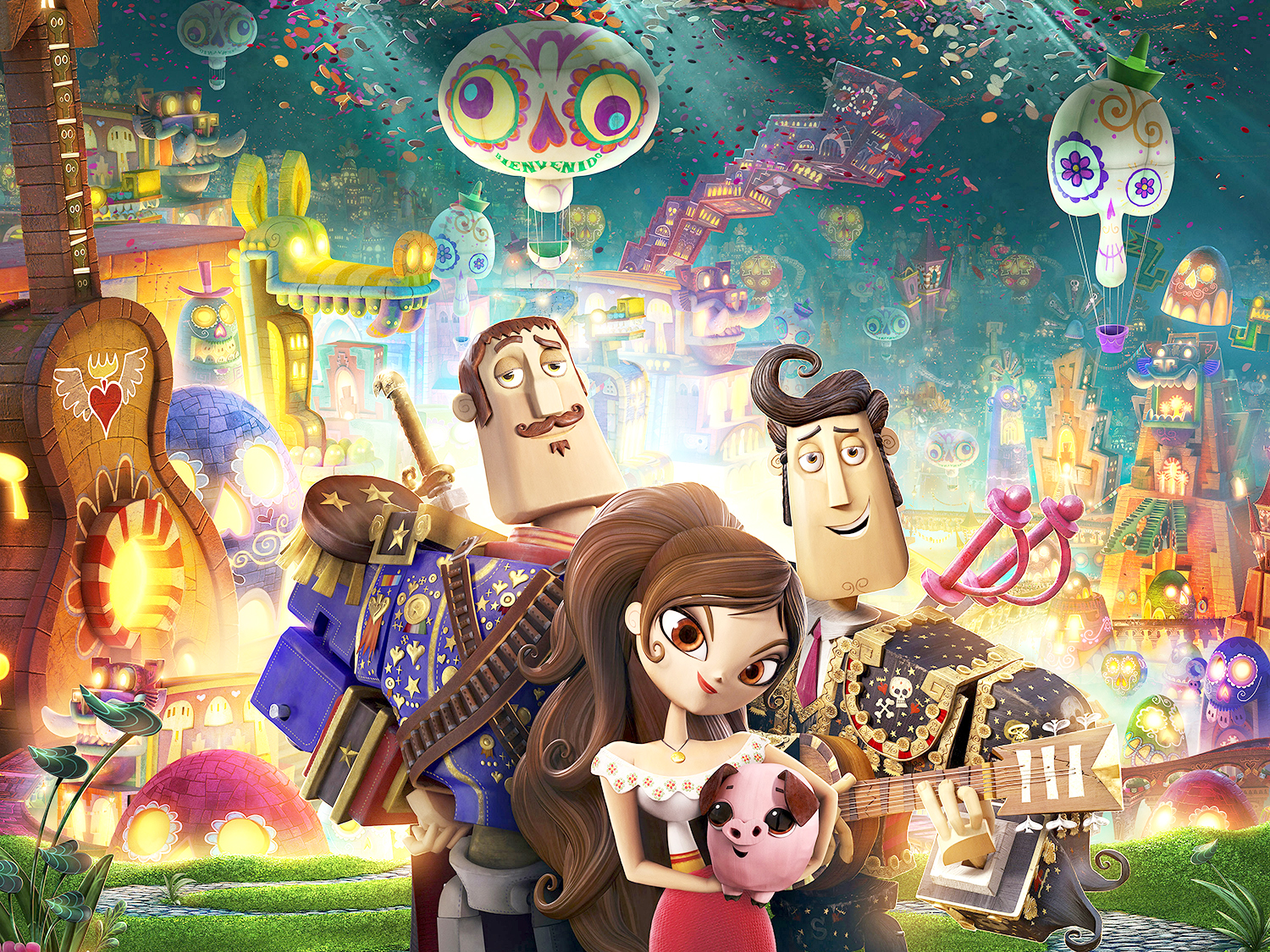
A BEAUTIFUL TRIBUTE Jorge R. Gutiérrez’s The Book of Life is an animated film that beautifully depicts the traditions observed during Dia de los Muertos

So how does one celebrate All Souls’ Day? It varies worldwide. For instance, anyone who has seen Disney’s Coco or Jorge R. Gutiérrez’s The Book of Life might know that Mexicans observe what is known as Dia de los Muertos (Day of the Dead). During this special holiday, families build private altars containing the favorite food and beverages of their dearly departed. Sometimes they also include memorabilia such as pictures, letters, and other possessions from family members who have passed. Graves are also decorated with colorful flowers. Often the Mexican marigold is used for its vibrant orange color. 


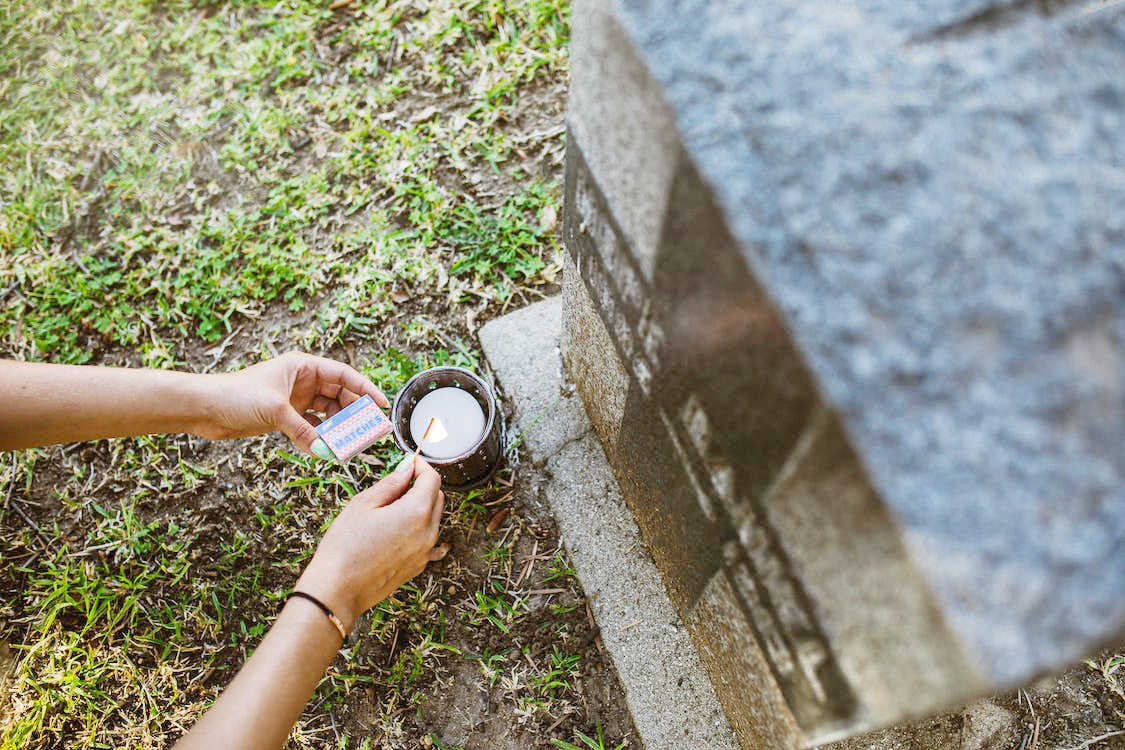
Meanwhile in the Philippines, the season of Undas has families driving in droves to cemeteries with food, flowers, and candles. Usually, the food is used for a mini picnic for the family to share and eat at the gravesite since it serves as a mini-reunion for those coming from far-off places. Flowers, often the sampaguita, are then placed by the grave as a sign of respect. Candles are lit in hopes of giving peace to our departed loved ones. It’s also a common practice for everyone to recite the rosary during this gathering as it is believed to help lead souls into heaven. 
3.jpg
IN THEIR MEMORY Candles are often lit during Undas season as it is believed it will give peace to our dearly departed

Whatever way we might celebrate All Souls’ Day, it’s important to remember that this is a time to gather with your loved ones and cherish their presence. It’s also a great moment to look back at all the fun memories left behind by friends and family who have moved on to the next life. 

Related Tags

Poch Eulalia All Souls Day
ADVERTISEMENT
.most-popular .layout-ratio{ padding-bottom: 79.13%; } @media (min-width: 768px) and (max-width: 1024px) { .widget-title { font-size: 15px !important; } }

{{ articles_filter_1561_widget.title }}

.most-popular .layout-ratio{ padding-bottom: 79.13%; } @media (min-width: 768px) and (max-width: 1024px) { .widget-title { font-size: 15px !important; } }

{{ articles_filter_1562_widget.title }}

.most-popular .layout-ratio{ padding-bottom: 79.13%; } @media (min-width: 768px) and (max-width: 1024px) { .widget-title { font-size: 15px !important; } }

{{ articles_filter_1563_widget.title }}

{{ articles_filter_1564_widget.title }}

.mb-article-details { position: relative; } .mb-article-details .article-body-preview, .mb-article-details .article-body-summary{ font-size: 17px; line-height: 30px; font-family: "Libre Caslon Text", serif; color: #000; } .mb-article-details .article-body-preview iframe , .mb-article-details .article-body-summary iframe{ width: 100%; margin: auto; } .read-more-background { background: linear-gradient(180deg, color(display-p3 1.000 1.000 1.000 / 0) 13.75%, color(display-p3 1.000 1.000 1.000 / 0.8) 30.79%, color(display-p3 1.000 1.000 1.000) 72.5%); position: absolute; height: 200px; width: 100%; bottom: 0; display: flex; justify-content: center; align-items: center; padding: 0; } .read-more-background a{ color: #000; } .read-more-btn { padding: 17px 45px; font-family: Inter; font-weight: 700; font-size: 18px; line-height: 16px; text-align: center; vertical-align: middle; border: 1px solid black; background-color: white; } .hidden { display: none; }
function initializeAllSwipers() { // Get all hidden inputs with cms_article_id document.querySelectorAll('[id^="cms_article_id_"]').forEach(function (input) { const cmsArticleId = input.value; const articleSelector = '#article-' + cmsArticleId + ' .body_images'; const swiperElement = document.querySelector(articleSelector); if (swiperElement && !swiperElement.classList.contains('swiper-initialized')) { new Swiper(articleSelector, { loop: true, pagination: false, navigation: { nextEl: '#article-' + cmsArticleId + ' .swiper-button-next', prevEl: '#article-' + cmsArticleId + ' .swiper-button-prev', }, }); } }); } setTimeout(initializeAllSwipers, 3000); const intersectionObserver = new IntersectionObserver( (entries) => { entries.forEach((entry) => { if (entry.isIntersecting) { const newUrl = entry.target.getAttribute("data-url"); if (newUrl) { history.pushState(null, null, newUrl); let article = entry.target; // Extract metadata const author = article.querySelector('.author-section').textContent.replace('By', '').trim(); const section = article.querySelector('.section-info ').textContent.replace(' ', ' '); const title = article.querySelector('.article-title h1').textContent; // Parse URL for Chartbeat path format const parsedUrl = new URL(newUrl, window.location.origin); const cleanUrl = parsedUrl.host + parsedUrl.pathname; // Update Chartbeat configuration if (typeof window._sf_async_config !== 'undefined') { window._sf_async_config.path = cleanUrl; window._sf_async_config.sections = section; window._sf_async_config.authors = author; } // Track virtual page view with Chartbeat if (typeof pSUPERFLY !== 'undefined' && typeof pSUPERFLY.virtualPage === 'function') { try { pSUPERFLY.virtualPage({ path: cleanUrl, title: title, sections: section, authors: author }); } catch (error) { console.error('ping error', error); } } // Optional: Update document title if (title && title !== document.title) { document.title = title; } } } }); }, { threshold: 0.1 } ); function showArticleBody(button) { const article = button.closest("article"); const summary = article.querySelector(".article-body-summary"); const body = article.querySelector(".article-body-preview"); const readMoreSection = article.querySelector(".read-more-background"); // Hide summary and read-more section summary.style.display = "none"; readMoreSection.style.display = "none"; // Show the full article body body.classList.remove("hidden"); } document.addEventListener("DOMContentLoaded", () => { let loadCount = 0; // Track how many times articles are loaded const offset = [1, 2, 3, 4, 5, 6, 7, 8, 9, 10]; // Offset values const currentUrl = window.location.pathname.substring(1); let isLoading = false; // Prevent multiple calls if (!currentUrl) { console.log("Current URL is invalid."); return; } const sentinel = document.getElementById("load-more-sentinel"); if (!sentinel) { console.log("Sentinel element not found."); return; } function isSentinelVisible() { const rect = sentinel.getBoundingClientRect(); return ( rect.top < window.innerHeight && rect.bottom >= 0 ); } function onScroll() { if (isLoading) return; if (isSentinelVisible()) { if (loadCount >= offset.length) { console.log("Maximum load attempts reached."); window.removeEventListener("scroll", onScroll); return; } isLoading = true; const currentOffset = offset[loadCount]; window.loadMoreItems().then(() => { let article = document.querySelector('#widget_1690 > div:nth-last-of-type(2) article'); intersectionObserver.observe(article) loadCount++; }).catch(error => { console.error("Error loading more items:", error); }).finally(() => { isLoading = false; }); } } window.addEventListener("scroll", onScroll); });

Sign up by email to receive news.