







Globe, Nokia unveil 'green' antenna in S. Cotabato


Globe Telecom Inc. and global telecommunications firm Nokia recently unveiled a new, sustainable Interleaved Passive Active Antenna (IPAA+) antenna in Tantangan, South Cotabato that can help lessen overall energy costs and reduce carbon emissions.
The IPAA+, produced by Nokia for Globe, is the first of around 50 installations planned in the Visayas and Mindanao islands for 2023 to support Globe's network expansion and mobile services development.
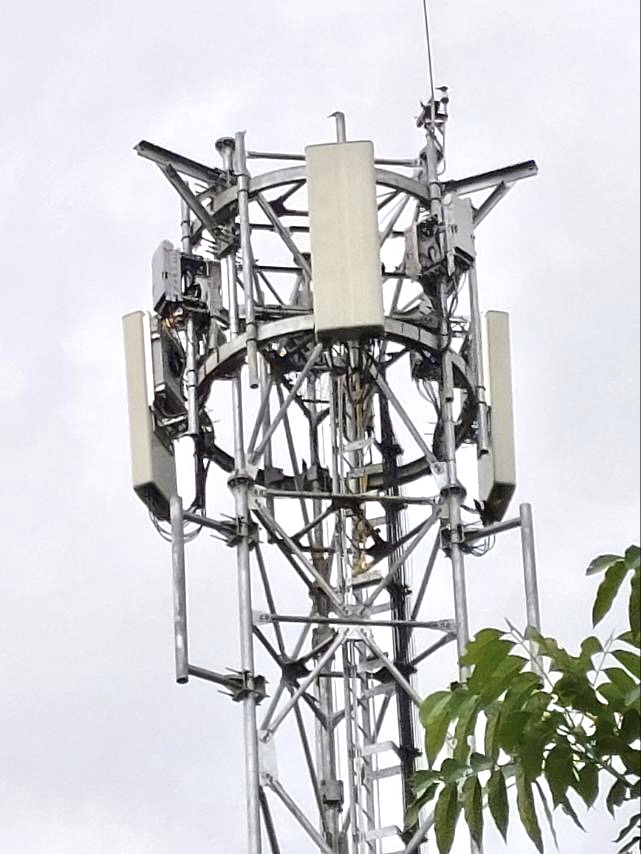
According to the first testing operations conducted of the antenna in South Cotabato, the 2.6 GHz IPAA+ was seen to be five percent more efficient compared to legacy antennas.
The radio solution has a high capacity 4G/5G antenna, a wider coverage area that can support more end-users, and also saves 1.5 meters of tower height space.
"Crucially, it does not increase the wind load on the tower, speeding up site acquisition and making deployment easier and faster. The impact on the cell site is minimal, as tower reinforcement and construction works are typically not needed, reducing the environmental impact during site modernization and the deployment of 5G," said the firm.
Globe Chief Sustainability and Corporate Communications Officer Yoly Crisanto said its company's engineers' partnership with Nokia "will help us lessen our cost of energy and carbon emissions."
Nokia Vice President of Sustainability Subho Mukherjee added that the IPAA+ will help support Globe's initiatives to "reduce its environmental footprint as well as accelerate its 4G/5G rollout across the country to improve the connectivity experience of its customers.
The Philippine telco giant is aiming to halve its global carbon emission by 2030 and attain Net Zero by 2050. To help reach this goal, 25 of its energy utilization facilities are powered by renewable energy sources.