

ADVERTISEMENT

Obemismo's tribute to Boterismo

Artist Roel Obemio pays homage to Fernando Botero

Published Oct 23, 2023 03:34 am

Roel Obemio is paying homage to the late Fernando Botero through his exhibit, “My Tribute: A Botero-esque Journey.” The exhibition, ongoing at the Art Lounge Manila, features a collection of paintings and sculptures that showcase Obemio’s mastery of Botero’s distinctive style, while also infusing it with his own unique touch. 
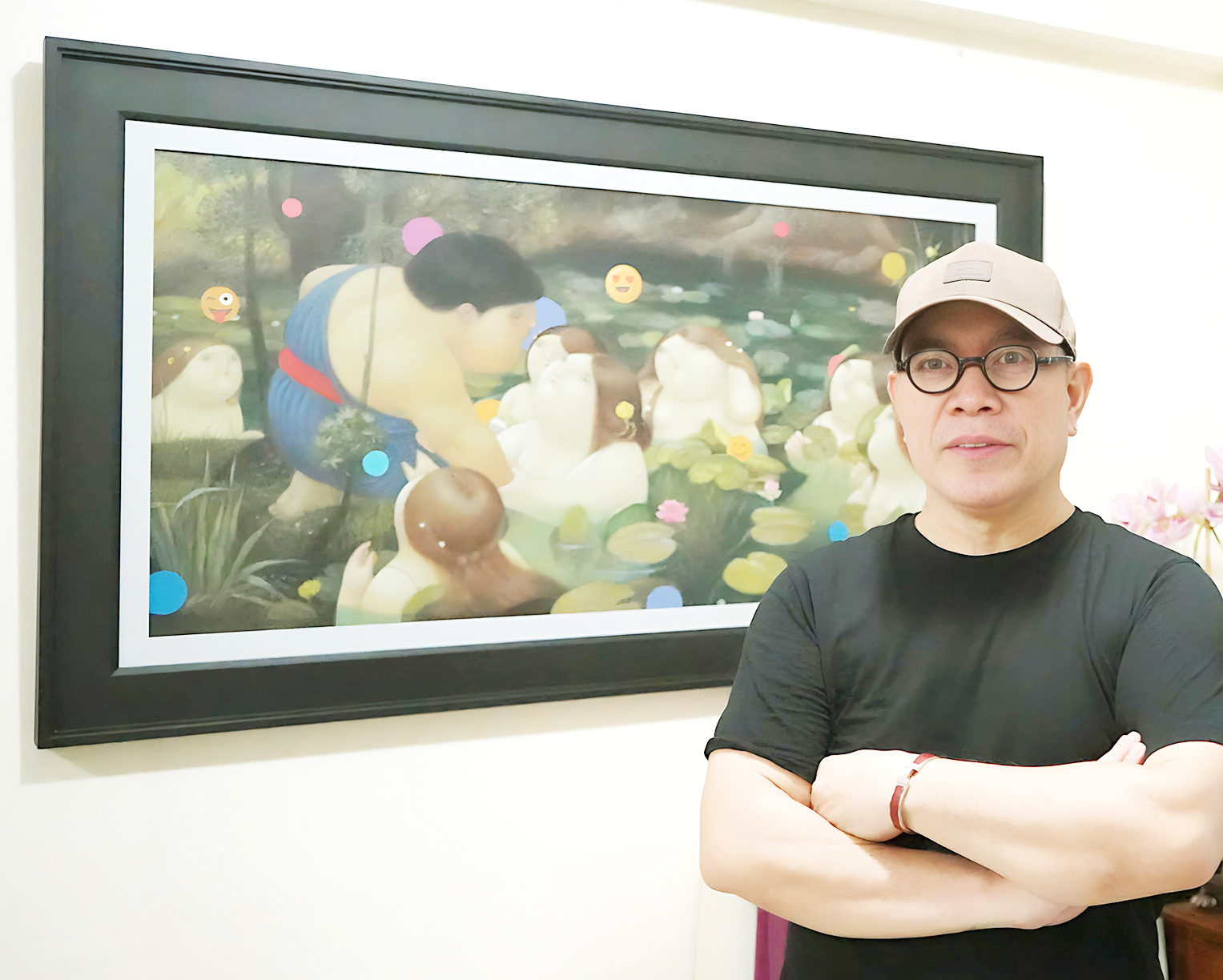
ROEL OBEMIO.JPG
Roel Obemio 

Obemio, who has been inspired by Botero’s work since he was a child, says that he was deeply saddened by the artist’s passing last Sept. 15. 
Botero’s art is characterized by its voluptuous forms and exaggerated figures. He paints and sculpts people and animals in style that is both whimsical and monumental. His work is often described as “Boterismo.”

Botero’s figures are typically round and plump that gives a sense of strength and presence, but also a touch of humor. He used his figures to explore themes of power, corruption, and violence. He also finds beauty and joy in the everyday world, which is reflected in his many paintings of still life, landscapes, and family scenes. 
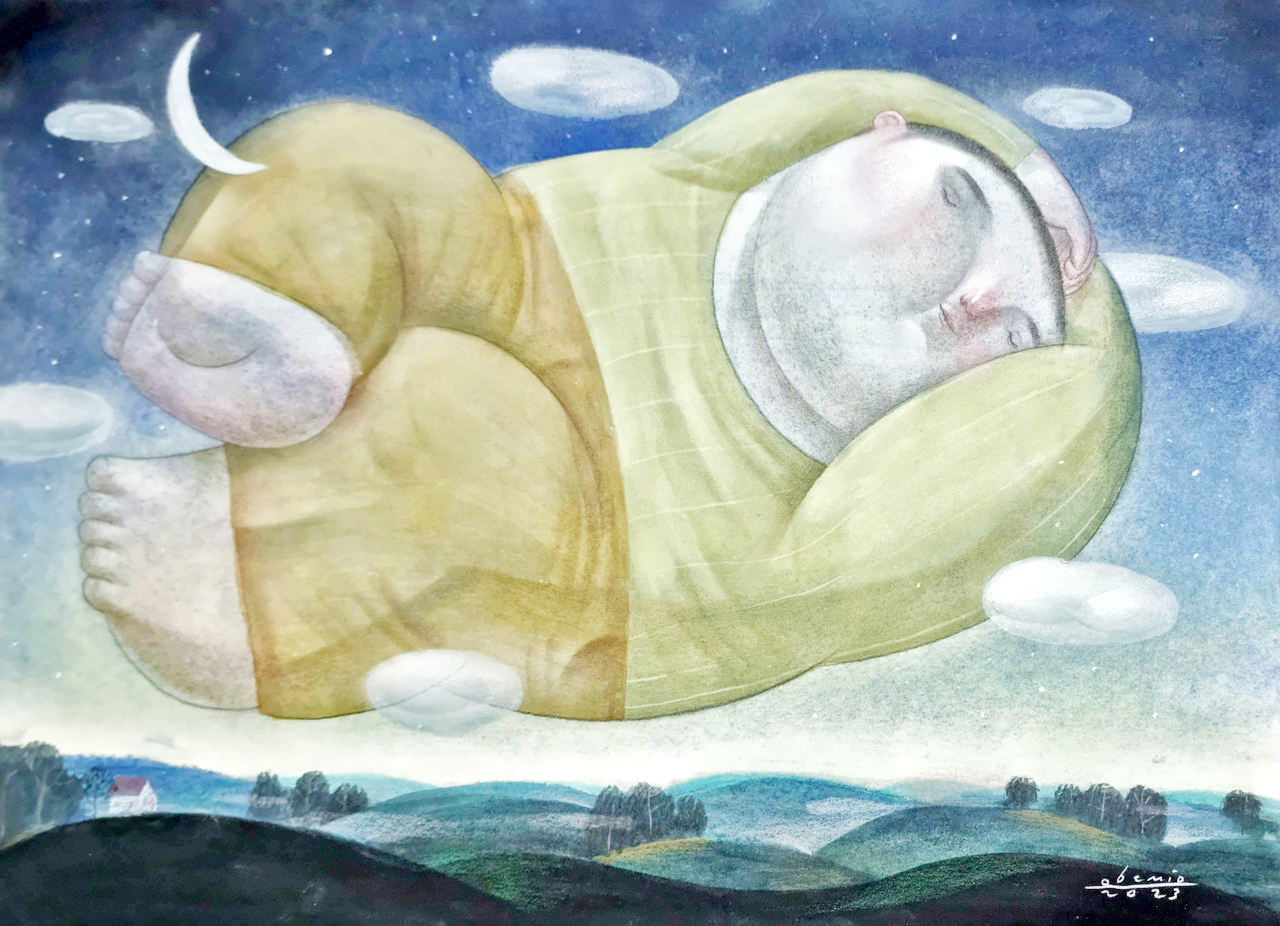
DREAMSCAPE, 10.5x14.5 inches, mixed media on paper, 2023.jpeg
'Dreamscape,' 10.5x14.5 inches, mixed media on paper, 2023

In the exhibit, Obemio explores the beauty and complexity of the human form through Botero’s signature style of voluptuous forms and exaggerated proportions. His paintings and sculptures depict a wide range of subjects, from everyday people to iconic figures from history and mythology. What unites all of Obemio’sworks, however, is his sense of whimsy and humor.

“When I heard the news that Botero has passed away, it saddened me, and that precipitates the idea of having a show to pay tribute to the artist who gave me so much inspiration. The difference between the two of us, is how Botero uses his practice as a means of critique, while I use volume as a narrative device to convey whimsy and fantasy, incorporating much geometric patterns into my works,” Obemio says. 

HARVEST SONATA, 12x24 inches, acrylic on canvas, 2023.jpg
'Harvest Sonata,' 12x24 inches, acrylic on canvas, 2023

In addition to being a celebration of Botero’s legacy, the exhibit is also a showcase of Obemio’s artistic journey. Over the years, he developed his own unique style or “Obemismo,” characterized by its bold colors, geometric patterns, and playful sense of humor.

“Artists can be inspired by other artists, local or universal, but express your subjects, ideas, or narratives in a personal way. Give the audience a sense of understanding in an artist’s playground of imagination,” he says.

Obemio’s background as a commercial portrait artist, caricaturist, and effects animation artist has undoubtedly contributed to the uniqueness of his style. He believes art is not merely a product of creativity but also a therapeutic relief and a mirror reflecting social and personal experiences. 
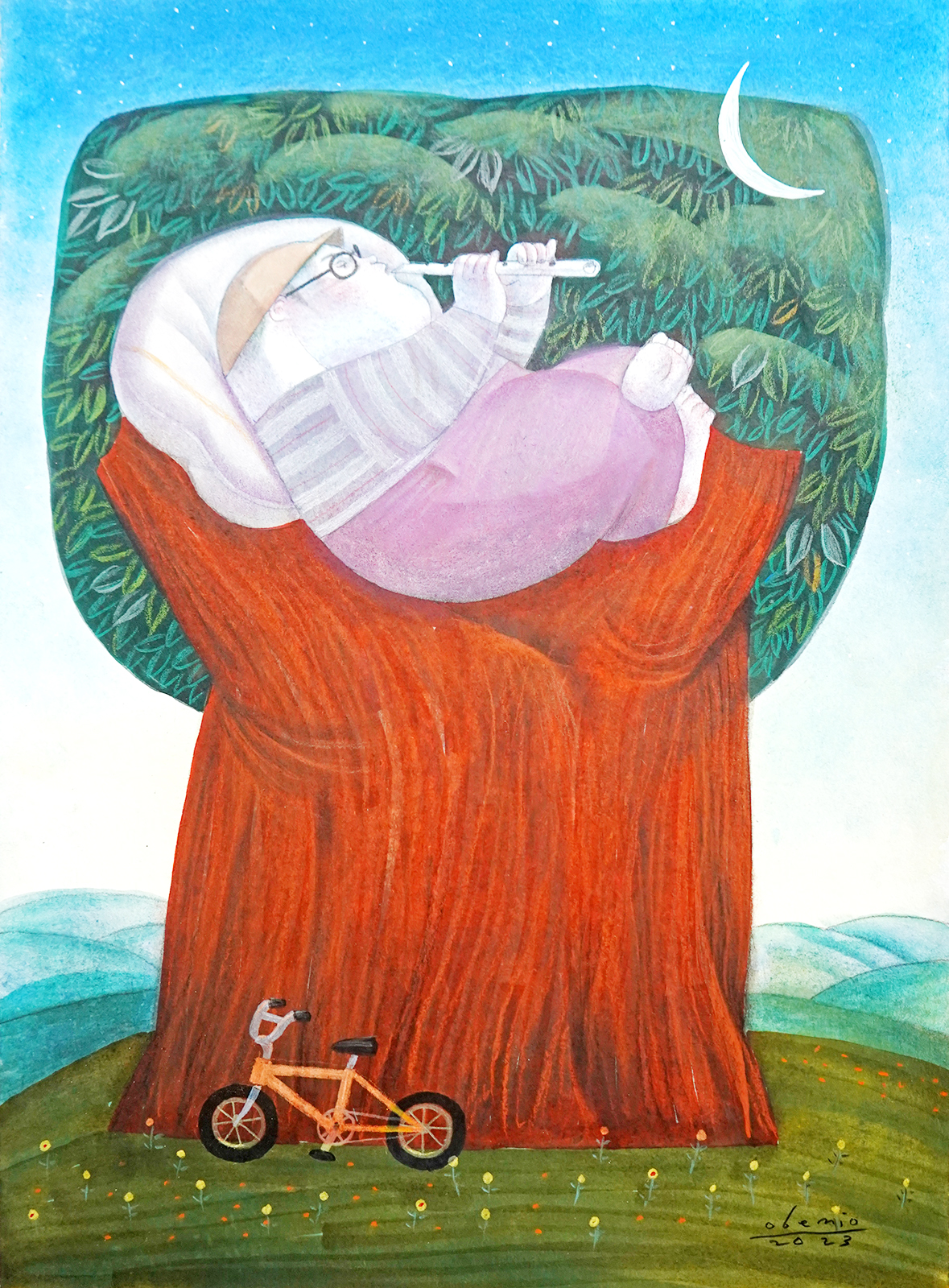
MOONLIGHT SONATA, 14.5x10.5 inches, mixed media on paper, 2023.jpg
'Moonlight Sonata,' 14.5x10.5 inches, mixed media on paper, 2023

“Art is a catalyst for revolution or peace,” he states. “It is not just a product of creativity, from emotion to express ideas, it can also be an act of therapeutic relief, it can be a simple appreciation of life’s beauty. It is a mirror of every social and personal experiences.”

Obemio also shares his advice to aspiring artists who are looking to establish themselves in the art world and find their own unique style.
“Practice, practice, and discover every creative process,” he said. “Learn to experiment, explore, and understand all the elements of art. Skill matters, be patient, take constructive criticism, always seek inspiration from the world around you.”
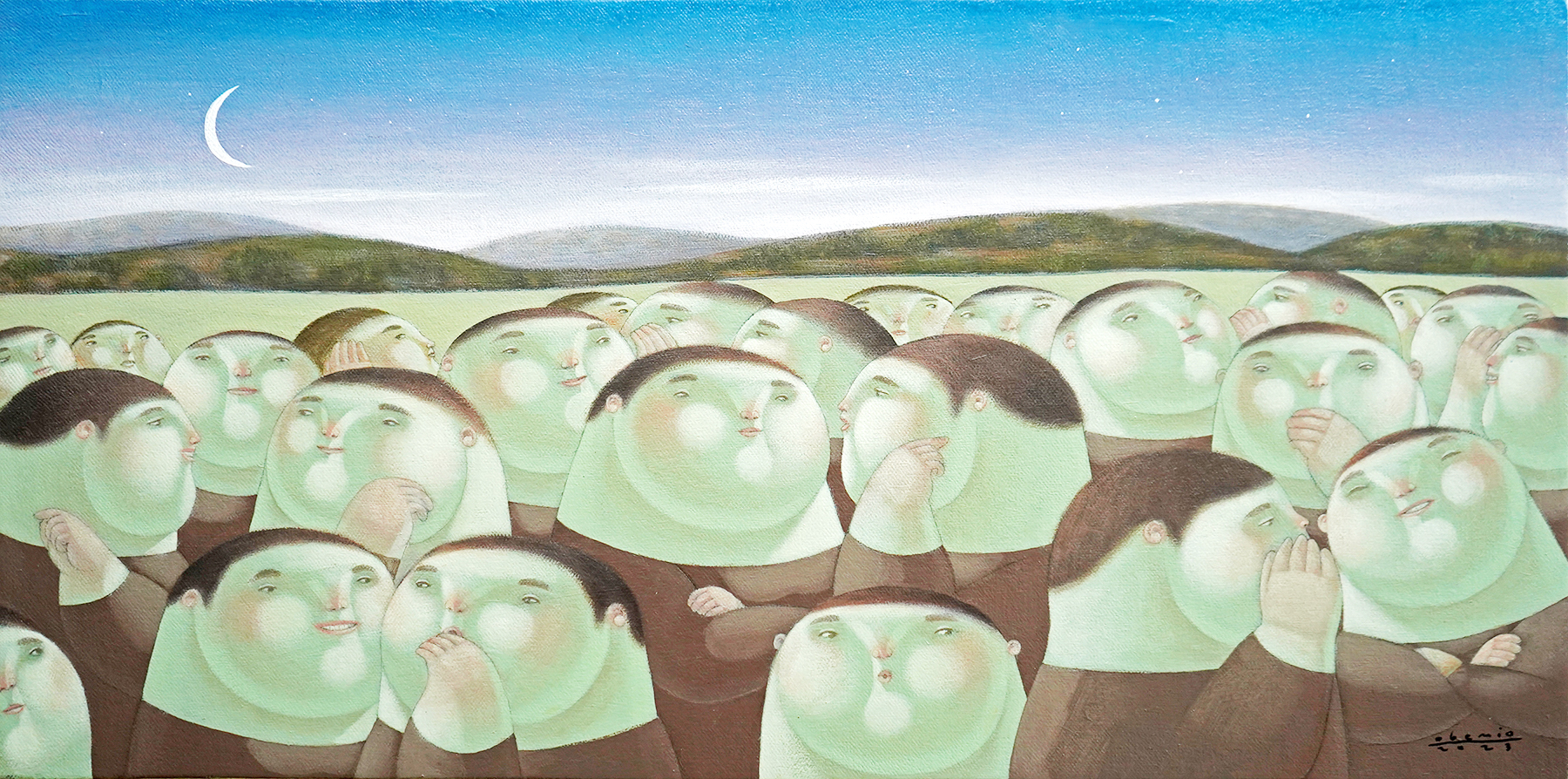
TOLITS, 12x24 inches, acrylic on canvas, 2023.jpg
'Tolits,' 12x24 inches, acrylic on canvas, 2023

He also emphasizes the importance of learning from great masters of art, both past and present. “All these experiences and inspirations will eventually lead to the odyssey of your own unique style. ‘Good artists copy, great artists steal,’” he said, quoting Pablo Picasso. “What this means is that you should never be afraid to borrow ideas from other artists, but you should always put your own unique spin on them.”

Roel Obemio’s exhibit, “My Tribute: A Botero-esque Journey,” is a celebration of the late Fernando Botero’s legacy, as well as a showcase of Obemio’s own artistic journey. The exhibit is a blend of his own style with Botero’s, creating a new and exciting visual experience for viewers. It was a testament to Obemio’stalent and creativity, and is sure to leave a lasting impression on all who see it. 

“My Tribute: A Botero-esque Journey” runs until Oct. 31 at Art Lounge Manila The Podium, Mandaluyong.
 

Related Tags

Artist At Work Roel Obemio Arts and Culture
ADVERTISEMENT
.most-popular .layout-ratio{ padding-bottom: 79.13%; } @media (min-width: 768px) and (max-width: 1024px) { .widget-title { font-size: 15px !important; } }

{{ articles_filter_1561_widget.title }}

.most-popular .layout-ratio{ padding-bottom: 79.13%; } @media (min-width: 768px) and (max-width: 1024px) { .widget-title { font-size: 15px !important; } }

{{ articles_filter_1562_widget.title }}

.most-popular .layout-ratio{ padding-bottom: 79.13%; } @media (min-width: 768px) and (max-width: 1024px) { .widget-title { font-size: 15px !important; } }

{{ articles_filter_1563_widget.title }}

{{ articles_filter_1564_widget.title }}

.mb-article-details { position: relative; } .mb-article-details .article-body-preview, .mb-article-details .article-body-summary{ font-size: 17px; line-height: 30px; font-family: "Libre Caslon Text", serif; color: #000; } .mb-article-details .article-body-preview iframe , .mb-article-details .article-body-summary iframe{ width: 100%; margin: auto; } .read-more-background { background: linear-gradient(180deg, color(display-p3 1.000 1.000 1.000 / 0) 13.75%, color(display-p3 1.000 1.000 1.000 / 0.8) 30.79%, color(display-p3 1.000 1.000 1.000) 72.5%); position: absolute; height: 200px; width: 100%; bottom: 0; display: flex; justify-content: center; align-items: center; padding: 0; } .read-more-background a{ color: #000; } .read-more-btn { padding: 17px 45px; font-family: Inter; font-weight: 700; font-size: 18px; line-height: 16px; text-align: center; vertical-align: middle; border: 1px solid black; background-color: white; } .hidden { display: none; }
function initializeAllSwipers() { // Get all hidden inputs with cms_article_id document.querySelectorAll('[id^="cms_article_id_"]').forEach(function (input) { const cmsArticleId = input.value; const articleSelector = '#article-' + cmsArticleId + ' .body_images'; const swiperElement = document.querySelector(articleSelector); if (swiperElement && !swiperElement.classList.contains('swiper-initialized')) { new Swiper(articleSelector, { loop: true, pagination: false, navigation: { nextEl: '#article-' + cmsArticleId + ' .swiper-button-next', prevEl: '#article-' + cmsArticleId + ' .swiper-button-prev', }, }); } }); } setTimeout(initializeAllSwipers, 3000); const intersectionObserver = new IntersectionObserver( (entries) => { entries.forEach((entry) => { if (entry.isIntersecting) { const newUrl = entry.target.getAttribute("data-url"); if (newUrl) { history.pushState(null, null, newUrl); let article = entry.target; // Extract metadata const author = article.querySelector('.author-section').textContent.replace('By', '').trim(); const section = article.querySelector('.section-info ').textContent.replace(' ', ' '); const title = article.querySelector('.article-title h1').textContent; // Parse URL for Chartbeat path format const parsedUrl = new URL(newUrl, window.location.origin); const cleanUrl = parsedUrl.host + parsedUrl.pathname; // Update Chartbeat configuration if (typeof window._sf_async_config !== 'undefined') { window._sf_async_config.path = cleanUrl; window._sf_async_config.sections = section; window._sf_async_config.authors = author; } // Track virtual page view with Chartbeat if (typeof pSUPERFLY !== 'undefined' && typeof pSUPERFLY.virtualPage === 'function') { try { pSUPERFLY.virtualPage({ path: cleanUrl, title: title, sections: section, authors: author }); } catch (error) { console.error('ping error', error); } } // Optional: Update document title if (title && title !== document.title) { document.title = title; } } } }); }, { threshold: 0.1 } ); function showArticleBody(button) { const article = button.closest("article"); const summary = article.querySelector(".article-body-summary"); const body = article.querySelector(".article-body-preview"); const readMoreSection = article.querySelector(".read-more-background"); // Hide summary and read-more section summary.style.display = "none"; readMoreSection.style.display = "none"; // Show the full article body body.classList.remove("hidden"); } document.addEventListener("DOMContentLoaded", () => { let loadCount = 0; // Track how many times articles are loaded const offset = [1, 2, 3, 4, 5, 6, 7, 8, 9, 10]; // Offset values const currentUrl = window.location.pathname.substring(1); let isLoading = false; // Prevent multiple calls if (!currentUrl) { console.log("Current URL is invalid."); return; } const sentinel = document.getElementById("load-more-sentinel"); if (!sentinel) { console.log("Sentinel element not found."); return; } function isSentinelVisible() { const rect = sentinel.getBoundingClientRect(); return ( rect.top < window.innerHeight && rect.bottom >= 0 ); } function onScroll() { if (isLoading) return; if (isSentinelVisible()) { if (loadCount >= offset.length) { console.log("Maximum load attempts reached."); window.removeEventListener("scroll", onScroll); return; } isLoading = true; const currentOffset = offset[loadCount]; window.loadMoreItems().then(() => { let article = document.querySelector('#widget_1690 > div:nth-last-of-type(2) article'); intersectionObserver.observe(article) loadCount++; }).catch(error => { console.error("Error loading more items:", error); }).finally(() => { isLoading = false; }); } } window.addEventListener("scroll", onScroll); });

Sign up by email to receive news.